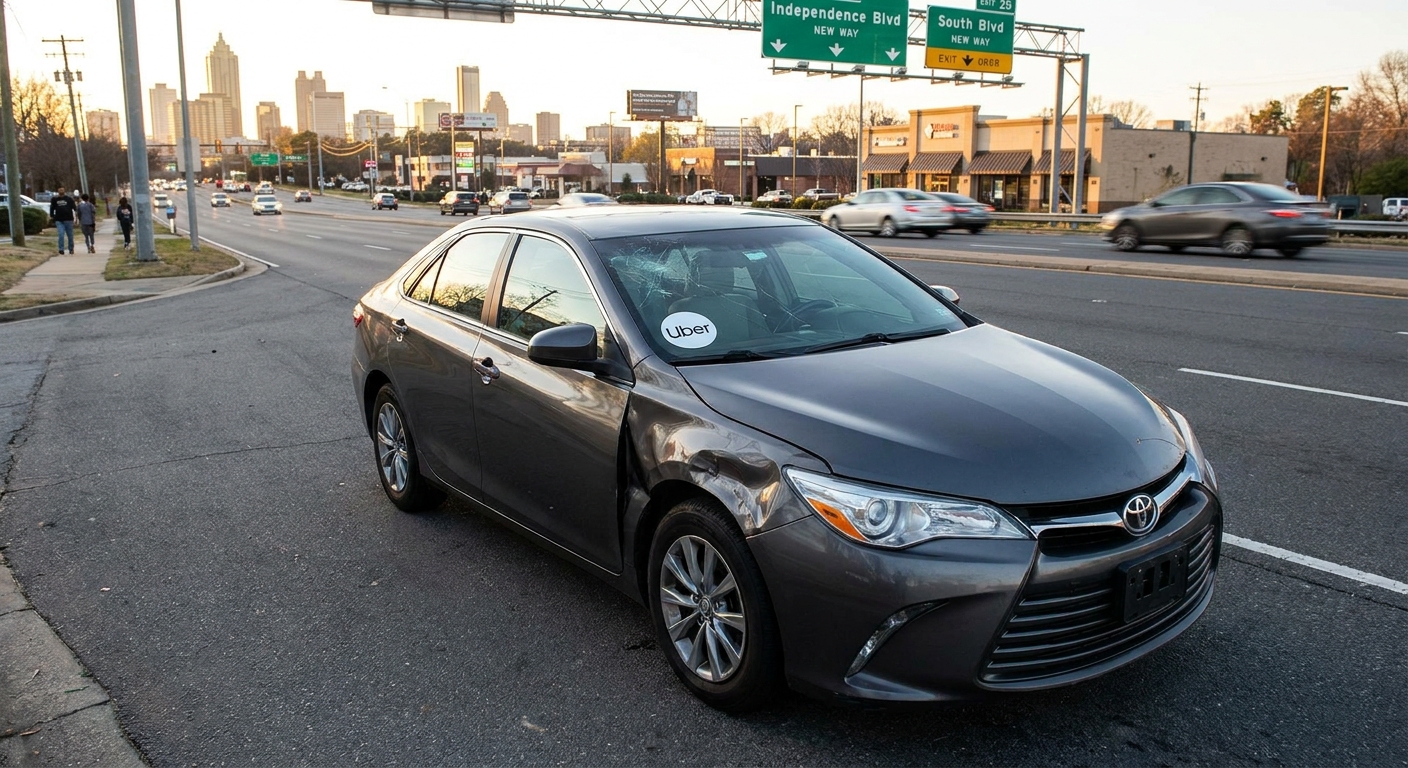

When you’ve been injured by a driver whose policy limits fall short of your medical bills and lost wages, you need an underinsured motorist claim attorney to protect your rights and secure full compensation. Facing mounting expenses and insurance company tactics without expert guidance can leave you accepting far less than you deserve.
In this article, you’ll learn how to understand your coverage, identify gaps, navigate fault issues, anticipate claim challenges, meet deadlines, gather key evidence, evaluate settlement offers, choose a qualified lawyer, and take decisive action to maximize your recovery.
Understand your coverage
Before you file a claim, it’s essential to know what underinsured motorist (UIM) coverage you carry and how it works alongside other insurance.
What is underinsured motorist coverage?
Underinsured motorist protection steps in when an at-fault driver’s liability limits aren’t enough to cover your losses. UIM insurance can pay for:
- Medical expenses
- Lost wages
- Pain and suffering
- Vehicle repair or replacement
Differences from uninsured coverage
- Uninsured motorist (UM) coverage applies when the at-fault driver has no insurance or cannot be located, such as in a hit-and-run
- UIM coverage fills the gap when the negligent driver’s policy limit is too low to fully compensate you [1]
State requirements example
Minimum liability and UIM limits vary by state. For instance, in Ohio drivers must carry at least:
- $25,000 per person for bodily injury
- $50,000 per accident for bodily injury
- $25,000 for property damage
- $25,000 per person and $50,000 per accident for UIM coverage unless an exception applies [2]
Always verify your state’s rules and consider carrying higher limits to protect yourself against severe injuries.
Identify coverage gaps
Even if you maintain the state-mandated minimum, your policy may not cover all damages after a serious crash.
When coverage falls short
- Total medical bills and rehabilitation costs often exceed minimum limits
- Future expenses, such as ongoing therapy and lost earning capacity, aren’t factored into low policy numbers
- Pain and suffering awards may surpass the at-fault driver’s coverage
Real-world scenario
Imagine you incur $100,000 in hospital bills after a collision, but the negligent driver only carries $20,000 in liability insurance. Your UIM coverage could cover the remaining $80,000—up to your policy limit. If your UIM limit is also $20,000, you’d still face a $60,000 shortfall unless you have an attorney fighting for additional damages.
Understand fault and liability
Establishing who’s at fault and to what degree shapes your ability to recover compensation.
At-fault versus comparative negligence
Most states follow a comparative negligence rule, meaning your compensation can be reduced by your share of fault. For example, if you’re deemed 20% responsible for the crash, a $100,000 award becomes $80,000.
Impacts on your claim
- Insurance adjusters may try to assign you a higher percentage of fault
- Accurate accident reconstruction and witness statements help minimize your share of liability
- An attorney can challenge unfair fault assessments and protect your recovery
Anticipate claim challenges
Insurance companies often use tactics designed to undervalue or delay UIM claims, making legal representation crucial.
Insurance company tactics
- Minimizing or disputing the severity of your injuries
- Questioning property damage estimates
- Delaying claim processing to pressure you into a quick settlement [3]
- Offering lowball settlements before you’ve documented full losses
Common disputes
- Causation: attributing injuries to preexisting conditions
- Policy exclusions: arguing that certain treatments or damages aren’t covered
- Bad faith: unfair claim handling that may entitle you to extra damages in some states
Navigate claim timelines
Missing key deadlines can jeopardize your ability to recover damages from your insurer.
Reporting deadlines
- Notify your own insurer in writing as soon as possible—most policies require prompt notice
- File an initial UIM claim within the timeframe specified in your policy
Statute of limitations
- Each state sets a deadline for filing lawsuits after an accident, often two to three years
- If negotiations stall, you must file suit before the statute of limitations expires to preserve your right to sue
Gather essential evidence
A strong UIM claim rests on thorough documentation of your losses and the accident circumstances.
Medical documentation
- Hospital and doctor records showing diagnosis, treatment, and prognosis
- Bills and invoices for all medical services and prescriptions
Accident reports and witnesses
- Police or crash reports that list fault and collision details
- Contact information and statements from eyewitnesses
Role of expert testimony
- Accident reconstruction specialists can clarify fault and impact speeds
- Medical experts explain the extent and long-term effects of injuries
| Evidence type | Purpose |
|---|---|
| Medical records | Prove injury severity and treatment costs |
| Police report | Establish crash facts and fault attribution |
| Witness statements | Corroborate your version of events |
| Expert testimony | Offer technical analysis of liability and harm |
Evaluate settlement offers
Insurance companies often start with a low initial offer. Assessing its fairness is critical before you agree.
Assessing fairness
- Compare the offer to your documented medical costs, lost wages, and non-economic damages
- Factor in future medical needs and ongoing care expenses
When to reject
- If the offer falls well below your total losses
- When the insurer refuses to consider key evidence or expert opinions
- If negotiating in bad faith, consider filing suit to compel full compensation
Choose a qualified attorney
Securing an experienced lawyer for underinsured motorist claims can dramatically improve your outcome.
Key attorney qualities
- Specialization in UIM and motor vehicle injury cases
- Proven track record of negotiated settlements and jury verdicts
- Willingness to consult with experts and pursue litigation if needed
Questions to ask
- How many underinsured motorist cases have you handled?
- What is your strategy for maximizing my compensation?
- Will you handle negotiations personally or delegate to junior staff?
Finding the right fit
You might also need a car accident attorney or a truck accident lawyer if your crash involved other vehicles. If the at-fault motorist had no insurance at all, consulting an uninsured motorist claim lawyer ensures you address all coverage avenues.
Maximize your compensation
Hiring a lawyer early in the process often leads to higher recoveries and smoother claim resolution.
Benefits of legal representation
- Skilled negotiation to counter lowball offers
- Thorough case preparation that deters insurers from undervaluing claims
- Ability to file suit and take your case to trial if necessary
Case results and statistics
- Studies show injured clients with legal counsel recover up to three times more than those who represent themselves
- An attorney’s intervention increases leverage with insurers and speeds up settlements
Take decisive action
Time is of the essence when you’re fighting for the compensation you deserve.
- Contact a qualified attorney for a free consultation
- Assemble your policy details and medical records
- Provide your lawyer with accident reports and witness contacts
- Let your attorney handle negotiations and, if needed, litigation
Don’t settle for less than you deserve. By acting quickly and partnering with an experienced legal team, you protect your rights and secure the full compensation necessary to rebuild your life.
References
- (Robert E. Craven & Associates)
- (BGMillerLaw)
- (Frederick Law)