
from intake to resolution
so video, logs, and reports are not lost
that strengthens negotiations
with plain language updates you can trust
in every decision and recommendation
We identify who controlled security and what risks were foreseeable. Prior incidents, crime statistics, call for service logs, and complaints help establish what the owner knew or should have known.
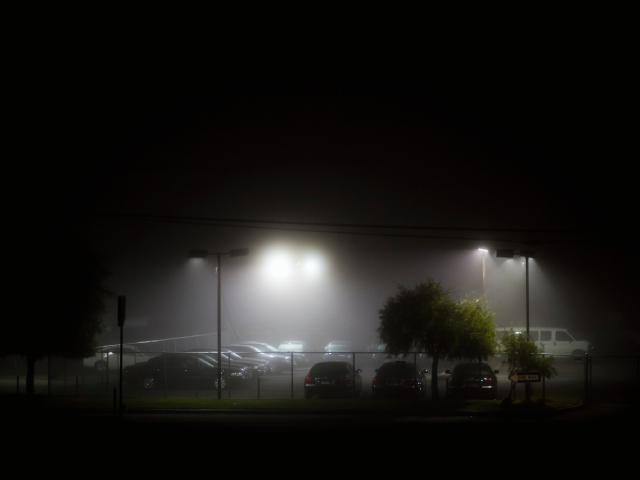
We compare what was in place to what reasonable care required for that property type and history. Common failures include broken locks, dark areas, unmonitored access points, nonfunctioning cameras, and understaffed or untrained security.
We connect the security lapses to the attack or incident using timelines, access paths, blind spots, and witness accounts. The question is whether reasonable measures would have prevented or reduced the harm.
We document medical treatment, future care, wage loss, and human losses such as pain, trauma, and loss of enjoyment of life. When appropriate, we pursue punitive damages supported by the facts and law.
Time matters. Many systems overwrite video and access logs within days.
We use prior incident data, calls for service, and property specific complaints to show the risk was known or should have been known.
Policies or signs are not enough if lighting is out, gates do not latch, or cameras do not record. We compare what was promised to what operated in practice.
Reasonable security reduces risk. We show how functional lighting, access control, or monitoring would have deterred or interrupted the attack.
Allegations about where you walked or what you were wearing do not excuse a property owner’s failure to fix dangerous conditions. We present the full picture of responsibility.
Deadlines vary by state and can be shorter for claims involving public entities. Contact us quickly so your rights are preserved.