Understanding comparative negligence
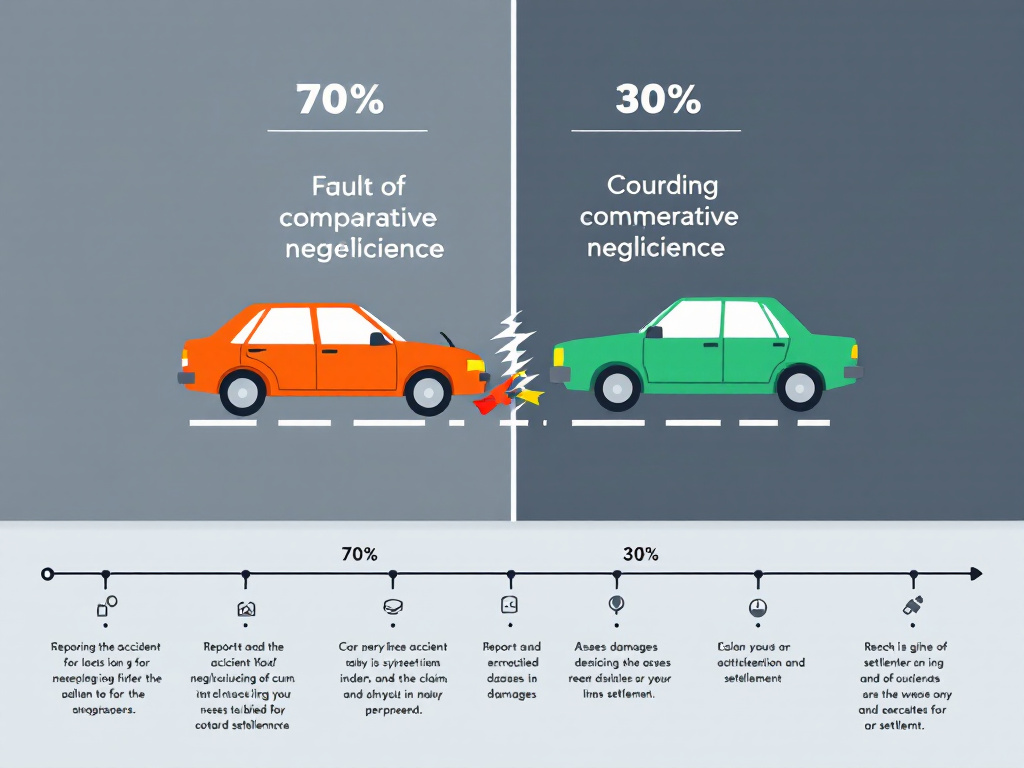
When you’re involved in a crash, you may assume that only the other driver’s fault matters. In reality, determining shared fault can affect how much you recover. In this guide, you will find comparative negligence car accident explained and see why it matters in your claim. Comparative negligence allocates responsibility as a percentage, ensuring that each party’s compensation reflects their share of fault. Understanding this concept early helps you gather the right evidence and build a stronger case.
In personal injury law, comparative negligence contrasts with contributory negligence, where even 1 percent of fault can bar any recovery. By grasping how comparative rules work, you can anticipate potential reductions in your damages award and take steps to protect your interests.
Explore state liability rules
Each state has its own approach to shared fault. Knowing which rule applies where your crash occurred is critical.
Pure comparative negligence states
In pure comparative negligence jurisdictions, you can recover damages no matter how high your percentage of fault. If you’re found 80 percent responsible, you would still claim 20 percent of total damages. New York and California follow this model [1].
Modified comparative negligence states
Most states limit recovery if you bear too much fault. There are two common bars:
50 percent bar rule
States such as Tennessee stop your recovery if your fault reaches 50 percent or more. Below that threshold, you recover damages reduced by your percentage [2].
51 percent bar rule
Twenty-three states including Ohio use a 51 percent bar rule. You can recover as long as your fault is 50 percent or less, even if the other driver shares equal blame [2].
Contributory negligence jurisdictions
Alabama, Maryland, North Carolina, Virginia, and Washington, D.C. apply contributory negligence. If you bear any fault, you are barred from recovery entirely [2]. This strict rule underscores the importance of minimizing your share of responsibility.
Slight vs gross negligence rule
South Dakota uses a unique modifier: parties are classified as having slight or gross fault. Slightly at-fault plaintiffs can recover more than those deemed grossly negligent [1].
State rule comparison
| Jurisdiction | Rule type | Recovery threshold |
|---|---|---|
| New York, California | Pure comparative negligence | Recover any amount regardless of fault |
| Tennessee | Modified (50% bar) | Fault < 50% only |
| Ohio and 22 other states | Modified (51% bar) | Fault ≤ 50% |
| Alabama, Maryland, NC, VA, D.C. | Contributory negligence | Any fault bars recovery |
| South Dakota | Slight vs gross negligence | Classification affects compensation levels |
Calculate your damage reduction
Once fault percentages are set by the judge or jury, your damages get reduced accordingly. Here’s how to calculate:
Formula for reducing compensation
- Determine total damages (medical bills, lost wages, pain and suffering).
- Identify your percentage of fault.
- Multiply total damages by (1 minus your fault percentage).
Example:
- Total damages = $100,000
- Your fault = 30 percent
- Recoverable amount = $100,000 × (1 – 0.30) = $70,000
Example calculation
| Item | Amount |
|---|---|
| Medical expenses | $30,000 |
| Lost wages | $20,000 |
| Pain and suffering | $50,000 |
| Total damages | $100,000 |
| Your fault percentage | 30% |
| Your recovery | $70,000 |
If you face pure comparative negligence, you recover even if your fault exceeds 50 percent. Under a modified rule, a 60 percent fault would bar recovery in a 51 percent bar state.
Gather evidence effectively
To minimize your share of fault, you must build strong proof. The more convincing your evidence, the better your odds of reducing liability.
Types of supporting proof
- Witness statements from passengers or bystanders
- Photographs of the scene, vehicle damage, skid marks
- Police report analysis [3]
- Expert testimony from accident reconstruction specialists
- Video evidence, including coaching points from dashcam footage as evidence in car accident
- Black box data from the vehicle’s event data recorder [4]
Role of black box and dashcam
Event data recorders capture speed, braking, seatbelt use, and more in the seconds before a crash. Dashcams provide real-time visuals. Combined, these tools can sharply reduce disputes over fault.
Work with insurance adjusters
Insurance companies often use comparative negligence to lower payouts. Knowing negotiation tactics and your rights will help you secure fair compensation.
Negotiation tips and tactics
- Document all damages meticulously
- Avoid admitting fault in recorded statements [5]
- Present evidence of the other driver’s violations (speeding, running a red light)
- Reference comparable claims to justify your demand
- Be prepared to counter lowball offers
Recorded statements
Adjusters may ask you to give a recorded statement. You are not required to provide one. If you do, stick to the facts, avoid speculation, and consult a lawyer before speaking further.
Seek legal guidance
A personal injury attorney can help you prove fault and navigate comparative negligence rules in your state. Their expertise often leads to higher recoveries.
When to contact a lawyer
- Insurance company disputes your version of events
- You face contributory negligence jurisdiction risks
- Your fault percentage is high enough to bar recovery
- You need assistance with car accident demand letter example
- The other driver lacked insurance [6]
Choosing representation
Look for attorneys who specialize in car crashes, understand state fault rules, and offer a free case review. Ask about their track record in reducing client fault percentages.
Plan your next steps
After a crash, following a clear roadmap helps protect your rights and deadlines.
Checklist for post-crash actions
- Ensure safety and call 911 if needed
- Exchange information with the other driver
- Take photos of vehicles, road conditions, and injuries
- Seek medical attention immediately [7]
- Report the crash to your insurer
- Gather witness contact details
- Preserve evidence (retain items, store photographs)
- Consult a personal injury lawyer
Timeline and deadlines
- Report crash to your insurer within days
- File a lawsuit before your state’s car accident statute of limitations
- Submit demand letter 30 to 90 days after the crash
- Expect negotiation and settlement talks over several months [8]
- A full lawsuit could take 1 to 2 years to resolve [9]
Call to action
Comparative negligence can dramatically alter your compensation. By understanding the fault rules in your state, gathering solid evidence, and working with experienced counsel, you improve your chances of a fair outcome. If you’re unsure how comparative negligence applies to your case, request a free case review today and take the first step toward securing the compensation you deserve.
References
- (Investopedia)
- (Block O’Toole & Murphy)
- (how to read a police report after an accident)
- (black box data in car accident cases)
- (recorded statement to insurance should i give one)
- (what happens if other driver has no insurance)
- (should i go to urgent care after car accident)
- (car accident settlement negotiation tips)
- (how long does a car accident lawsuit take)