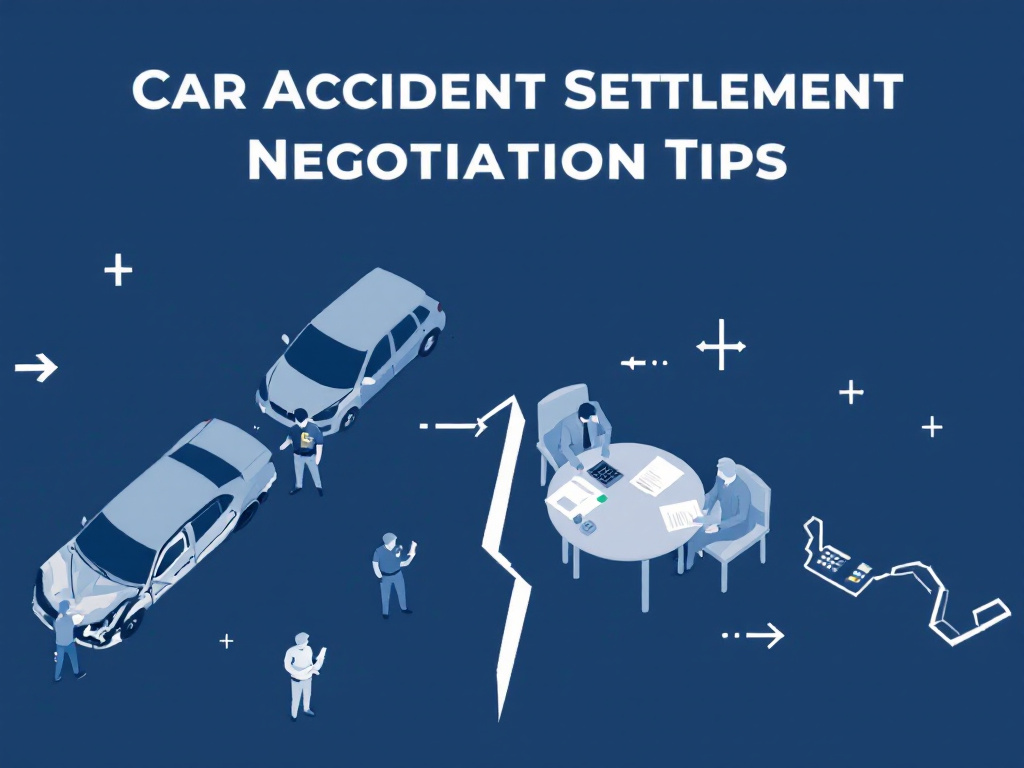

You’ve just experienced a crash on the highway, and the aftermath can feel overwhelming. Beyond physical injuries and medical bills, you’re facing complex insurance negotiations, fault disputes, and tight legal deadlines. A highway accident lawyer can navigate these challenges on your behalf, protect your rights, and maximize your compensation for medical expenses, lost wages, pain, and suffering. This article walks you through the steps to take immediately after a collision, the importance of deadlines, how liability is determined, and why timely legal representation can make all the difference in your claim’s outcome.
Take immediate action
Ensure safety and medical care
Your health is the top priority. Even if injuries seem minor, get evaluated by a medical professional as soon as possible. Some injuries—like internal bleeding or whiplash—may not be immediately apparent.
- Call 911 if anyone is seriously hurt
- Follow emergency responders’ advice
- Keep records of all medical visits and treatments
Report crash to authorities
Documenting the accident through an official report preserves an unbiased record of events.
- Notify the police and request an accident report
- Provide your name, address, vehicle information, and insurance details
- In Ohio, drivers must stop immediately at the scene, exchange information, and report the crash to police [1]
Notify your insurance
Promptly inform your insurer about the collision. Early notification ensures you meet policy requirements and avoids claim denials for late reporting. Provide basic facts—date, location, parties involved—and follow up in writing to create a clear paper trail.
Gather critical evidence
Document the scene
Strong evidence at the scene can prove fault and strengthen your claim. Use your smartphone or camera to capture:
- Vehicle positions and damage angles
- Road conditions, skid marks, and traffic signs
- Injuries, debris, and weather
Collect witness accounts
Eyewitness testimony can corroborate your version of events.
- Ask for names and contact details
- Record brief notes on what each person saw
- Confirm willingness to provide statements later
Preserve digital data
Electronic information can be crucial in modern accident claims:
- Save dashcam or phone video and audio files
- Request surveillance footage from nearby businesses
- Back up text messages or social media posts discussing the crash
Understand filing deadlines
Overview of limitation periods
Every state imposes a statute of limitations that dictates how long you have to file a lawsuit. Missing this deadline usually means losing your right to sue.
State-specific deadlines
- In Ohio, you generally have two years from the crash date to file a personal injury suit [2]
- Accidents causing death may have different timelines
Exceptions and tolling rules
Certain situations—such as a minor’s injury or a defendant’s absence from the state—can pause (toll) the deadline. Your lawyer will identify any exceptions that apply to your case.
Determine fault allocation
Comparative negligence systems
Most states use comparative negligence, meaning your compensation is reduced by your percentage of fault. For example, if you’re 20 percent at fault in Ohio, your award is reduced by 20 percent [2].
Proving liability factors
Establishing fault involves demonstrating that another party’s negligence caused your injuries. Key elements include:
- Duty of care: The other driver owed you a safe driving obligation
- Breach: They violated traffic laws or drove carelessly
- Causation: Their actions directly led to the crash
- Damages: You suffered quantifiable harm
Role of vicarious liability
In some cases, an employer or vehicle owner can be held responsible for a driver’s negligence—known as vicarious liability. This can expand recovery options when a driver was operating a commercial or rented vehicle [3].
Navigate insurance claims
Working with adjusters
Insurance adjusters aim to protect their company’s bottom line. Their initial offer may be far below fair value. Be wary of recorded statements, and never accept an early lowball without consulting counsel.
Common pitfalls
- Accepting quick settlements before knowing the full extent of your injuries
- Signing releases that waive future claims
- Overlooking out-of-pocket costs like rehabilitation or home modifications
When to involve attorneys
You should consider legal representation if:
- Your injuries are serious or long-term
- Multiple parties or insurers are involved
- Coverage limits are disputed or insufficient
An experienced insurance claim lawyer car accident can advocate for your full recovery.
Leverage legal expertise
Case evaluation process
Your attorney conducts a thorough review, including:
- Medical records and expert opinions
- Police and accident reconstruction reports
- Insurance policies and coverage limits
Negotiation strategies
Lawyers know how to counter low offers, present demand packages, and use leverage such as:
- Expert testimony on long-term care costs
- Demonstrations of policy exclusions or bad-faith tactics
- Threats of litigation to prompt serious offers
Litigation preparedness
While most cases settle, a law firm ready to file suit demonstrates resolve. Preparing pleadings, expert witnesses, and trial exhibits can motivate insurers to offer fairer settlements.
Maximize your compensation
Calculating economic damages
Economic damages reimburse tangible losses:
- Medical expenses (past and future)
- Lost income and diminished earning capacity
- Property repair or replacement costs
Assessing non-economic damages
These cover less tangible harms:
- Pain and suffering
- Emotional distress and loss of enjoyment of life
- Scarring and disfigurement
Pursuing punitive damages
In rare cases involving reckless or intoxicated driving, punitive damages punish the wrongdoer and deter similar conduct. Your attorney will advise if you have grounds for such a claim.
| Damage type | Examples |
|---|---|
| Economic | Hospital bills, prescription costs, wages |
| Non-economic | Pain, mental anguish, loss of consortium |
| Punitive | Jail-related claims for gross negligence |
Choose the right attorney
Key selection criteria
Look for a lawyer who offers:
- Proven results in highway and multi-vehicle crashes
- Resources for investigation and expert testimony
- Clear communication and responsiveness
Questions to ask
- What is your success rate in similar cases?
- Who will handle my file day to day?
- How do you calculate case value?
Understanding fee structures
Most personal injury lawyers work on contingency, meaning:
- No upfront fees
- You pay only if you recover
- Typical rates range from 33 percent to 40 percent of the award [4]
Maximize your recovery today
Dealing with the aftermath of a highway collision can be daunting, but you don’t have to navigate it alone. By taking swift action, preserving evidence, understanding fault and deadlines, and leveraging seasoned legal expertise, you position yourself for the best possible outcome. If you’re ready to protect your rights and secure the compensation you deserve, reach out to a dedicated highway accident lawyer for a free consultation. Your future well-being depends on the support and guidance you choose now.