
Understanding HR legal counsel
When you bring on HR legal counsel, you gain a partner who helps you protect your organization, streamline HR processes, and navigate complex employment laws. HR legal counsel works at the intersection of human resources and legal services, ensuring that your policies, handbooks, and employment decisions comply with federal, state, and local regulations. By engaging experienced counsel, you reduce the risk of litigation, foster a positive workplace culture, and stay ahead of ever-evolving compliance requirements.
What HR legal counsel is
HR legal counsel comprises attorneys or legal teams specializing in employment and labor law. They guide employers through topics such as:
- Employment contracts and offer letters
- Employee handbooks and policy development
- Wage and hour issues and compensation planning
- Anti-discrimination and harassment prevention
- Family and Medical Leave Act (FMLA) compliance
- Workplace investigations and dispute resolution
These professionals understand how federal statutes like the Civil Rights Act, the Americans with Disabilities Act (ADA), and the Family and Medical Leave Act intersect with your day-to-day HR operations. They also stay current on Occupational Safety and Health Administration (OSHA) standards and environmental regulations to help you avoid fines and penalties [1].
Why you need HR legal counsel
You need HR legal counsel to:
- Mitigate risk of costly lawsuits or government investigations
- Ensure consistent application of policies to all employees
- Adapt quickly to new or amended labor laws
- Provide clear guidance on handling sensitive issues
- Support talent attraction and retention through fair practices
With labor costs and compliance fines on the rise, having dedicated counsel means you can focus on business growth while maintaining a safe, lawful workplace.
Benefits of HR legal counsel
Engaging HR legal counsel delivers strategic advantages that extend beyond legal compliance. You not only shield your organization from liability but also instill confidence in your leadership team and workforce.
Mitigating legal risks
HR legal counsel identifies potential gaps in your employment practices, such as flawed handbook language or ambiguous leave policies. They conduct audits to flag issues like misclassification of exempt versus non-exempt employees, wage theft exposure, and outdated job descriptions. By addressing these risks early, you can avoid costly litigation, fines, or class-action suits. When disputes do arise, you’re ready with a defense plan or a strong settlement strategy that minimizes reputational harm [2].
Ensuring policy compliance
From FMLA leave to OSHA safety standards, compliance is a moving target. Counsel helps you:
- Draft FMLA policies that meet the requirements for organizations with 50+ employees [1]
- Update your employee handbook in line with state-specific leave laws
- Monitor wage and hour rules, including overtime thresholds
- Track evolving anti-discrimination mandates under Title VII and the ADA
Having a go-to adviser for employment law compliance and fmla legal counsel ensures you stay on the right side of regulators.
Enhancing employee relations
Healthy workplace relations hinge on trust and fairness. HR legal counsel helps you craft clear policies on topics like remote work, progressive discipline, and performance management. They train managers on consistent application of rules and handle sensitive investigations discreetly. According to AIHR, 47% of HR leaders cite employee experience as a top priority—expert counsel can sharpen that experience by reducing ambiguity, preventing disputes, and fostering a culture of transparency.
Key services offered
HR legal counsel packages often encompass a wide range of essential services. Tailor their role to your organization’s size and needs, whether you require full-time in-house counsel or on-demand consulting.
Employment contract drafting
Drafting clear, comprehensive employment contracts is one of the most valuable contributions of HR legal counsel. A well-crafted agreement can include:
- Job title, duties, and reporting structure
- Compensation, bonus structure, and benefits details
- Confidentiality and non-disclosure obligations
- Noncompete and non-solicitation clauses [3]
- Termination and severance provisions
By using employment contract drafting services, you reduce the likelihood of misunderstandings and protect your trade secrets and client relationships.
Employee handbook legal review
Your employee handbook is the roadmap for workplace expectations. Counsel reviews or redesigns your handbook to address:
- Equal employment opportunity and anti-harassment policies
- Attendance, leave, and PTO guidelines
- Remote work or flexible scheduling provisions
- Disciplinary procedures and progressive discipline
- Social media, data privacy, and technology usage
An up-to-date handbook, vetted through employee handbook legal review, ensures managers have a consistent framework for decision-making.
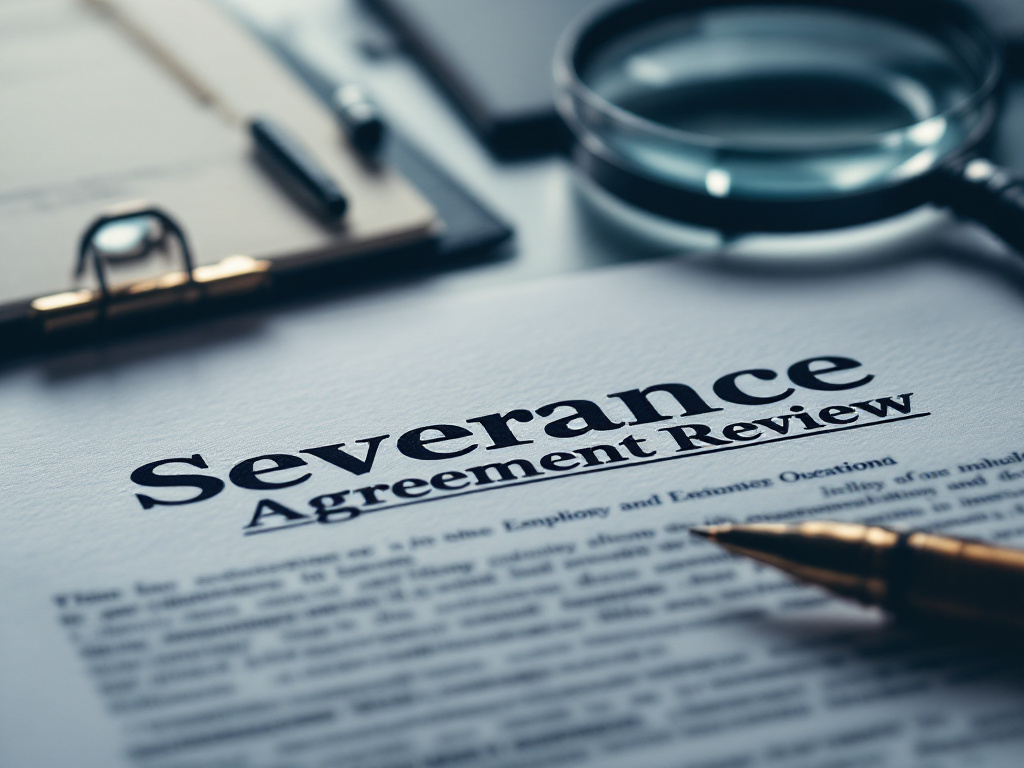
Severance agreement review
When layoffs or terminations occur, severance agreements can mitigate risk of post-employment claims. HR legal counsel helps you:
- Draft severance language that balances fairness with liability protection
- Include appropriate releases and confidentiality clauses
- Structure payment terms and benefits continuation
- Ensure compliance with the Older Workers Benefit Protection Act (OWBPA) where applicable
Leveraging severance agreement review services means you can offer departing employees clear, legally sound packages that reduce exposure to wrongful termination claims.
Handling retaliation and discrimination
Counsel guides you through allegations of retaliation, harassment, or discrimination by:
- Investigating complaints impartially
- Coaching managers on appropriate corrective actions
- Documenting findings and maintaining confidentiality
- Defending claims before agencies or in litigation
When you work with a retaliation employment lawyer or a discrimination complaint lawyer, you demonstrate your commitment to a fair, respectful workplace and significantly lower legal exposure.
HR counsel for workplace disputes
Even the best policies can’t eliminate every conflict. HR legal counsel steps in when disputes escalate, helping you resolve issues efficiently and fairly.
Addressing wrongful termination
If an employee alleges wrongful termination—fired for reporting misconduct, refusing to break the law, or due to protected traits like race or gender—you need prompt legal guidance. HR counsel can:
- Evaluate whether the termination meets legal standards
- Gather documentation to support your decision
- Negotiate settlements or prepare for defense in court
Engaging a wrongful termination attorney early can save you time, money, and damage to your reputation [4].
Managing discrimination complaints
Discrimination claims may involve alleged violations of Title VII of the Civil Rights Act, the ADA, or age discrimination statutes. Counsel assists you by:
- Conducting thorough, impartial investigations
- Training staff on unconscious bias and equal opportunity
- Revising policies to close compliance gaps
- Representing you before the Equal Employment Opportunity Commission (EEOC)
A strategic approach led by experienced counsel helps you address complaints swiftly and reduce the chance of costly agency investigations.
Navigating FMLA and leave issues
Employees often misunderstand their rights under FMLA. Counsel helps you interpret eligibility rules, calculate leave balances, and respond to family or medical leave requests. This support prevents allegations of improper leave denial or retaliation, safeguarding both your employees and your organization [4].
HR legal counsel in compliance
Beyond disputes, counsel plays a proactive role in ensuring ongoing compliance across critical HR areas.
Wage and hour compliance
Counsel reviews your payroll practices to ensure you’re meeting federal and state overtime rules, minimum wage requirements, and proper classification of exempt versus non-exempt employees. This work includes:
- Audit of timekeeping systems
- Assessment of off-the-clock work risks
- Drafting lunch and break policy language
- Advising on piece-rate and commission compensation
Use wage and hour legal services to avoid wage theft claims and government fines [1].
OSHA and safety regulations
Workplace safety isn’t just a moral obligation, it’s a legal one. Counsel helps you:
- Audit your injury and illness prevention program
- Respond to OSHA citations and negotiate penalties
- Train management on recordkeeping and reporting
- Integrate safety protocols into everyday operations
Partnering with labor law legal services ensures you meet federal and state safety requirements and protect your most valuable asset—your people.
Anti-discrimination and ADA adherence
Counsel evaluates your recruitment, promotion, and accommodation practices to confirm they comply with:
- Title VII obligations against race, sex, or national origin bias
- The ADA’s requirements for reasonable accommodations
- Age discrimination protections under the ADEA
By incorporating counsel into your policy development, you reinforce a workplace culture that values inclusion and equity.
Choosing the right counsel
With many legal firms and practitioners available, selecting the right HR legal counsel requires careful consideration.
Evaluating expertise and experience
Look for counsel with:
- Proven track record in employment litigation and advisory roles
- Industry knowledge relevant to your business sector
- Familiarity with your state’s specific labor laws
- Soft skills like attention to detail, emotional intelligence, and strong communication [5]
A firm that combines HR insight with legal acumen will deliver more strategic, cost-effective solutions.
Considering fee structures
Transparent fee arrangements build trust. When reviewing proposals, compare:
- Hourly rates versus flat fees for specific projects
- Retainer models that include monthly advisory hours
- Success or contingency fees for litigation matters
- Additional costs like filing fees or travel expenses
Ensure clarity on billing practices before engagement to prevent surprises during busy quarters.
Integrating counsel into your HR team
Decide how counsel will work with your in-house team:
- On-demand support for discrete projects
- Embedded counsel who attend HR leadership meetings
- Training sessions and policy roll-out workshops
- Emergency hotlines for critical incidents
Clearly define scopes of work, communication channels, and escalation procedures to maximize collaboration and ROI.
Conclusion and next steps
HR legal counsel offers you a multifaceted approach to risk management, policy compliance, and employee relations. By partnering with experienced counsel, you can confidently draft contracts, update handbooks, resolve disputes, and stay ahead of legal changes. To explore how HR legal counsel can support your organization’s goals, reach out to an employment law attorney firm or schedule a consultation with a trusted adviser today.