When you need to navigate the uninsured motorist claim process, understanding each step can prevent costly mistakes. If you’ve been injured by a driver who is underinsured or has no insurance at all, your own policy’s uninsured motorist and underinsured motorist (UM/UIM) coverage may be your only avenue to recover medical bills, lost wages, and other damages. While this process parallels the car accident claim process explained, UM provisions often include technical language and strict deadlines that can derail your recovery if you miss a requirement. In the following sections, you’ll find a clear roadmap—from reviewing your policy to challenging a denied claim—to help you protect your rights and maximize your compensation.
Understanding uninsured motorist coverage
Uninsured motorist coverage protects you when you’re hurt by a driver who has no liability insurance, flees the scene in a hit-and-run, or whose policy limits are too low to cover your losses [1]. Underinsured motorist coverage kicks in when the at-fault driver’s limits are insufficient. Together these coverages step in for fault-based recovery and can reimburse you for:
- Medical expenses
- Lost wages and diminished earning capacity
- Pain and suffering and emotional distress
- Physical impairment and disfigurement
- Lost enjoyment of life
Understanding what your UM/UIM policy covers is the first step in avoiding pitfalls and ensuring you invoke the right provisions.
Distinguishing UM and UIM
Although often paired, UM and UIM serve different roles:
- Uninsured motorist (UM): Pays when the at-fault driver has no insurance or cannot be identified in a hit-and-run.
- Underinsured motorist (UIM): Covers the gap between the at-fault driver’s policy limits and your total damages.
Make sure you know your policy’s specific definitions and stacking rules, which determine whether you can “stack” multiple vehicles or household policies for greater limits.
Uninsured driver statistics
Nationwide, about 14.3 percent of drivers lack insurance, and in New York approximately 5 percent of motorists are uninsured [Kantrowitz, Goldhamer & Graifman P.C.]. These drivers can leave you with significant out-of-pocket costs if you’re unprepared. Confirming your own coverage and limits today can save you from financial strain later.
Identify policy requirements
Your insurance policy is a contract with detailed terms, limits, deadlines, and exclusions. Reviewing key sections now helps you avoid surprises during the claim process.
Key policy terms
On your declarations page, look for:
- Policy period and effective dates
- Coverage limits (per person, per accident)
- UM/UIM limits and stacking options
- Deductibles or self-insured retention amounts
- Exclusions (for certain vehicle types or nonresident drivers)
If your policy language is unclear, request a copy of the full policy booklet or declarations page from your insurer before an accident occurs.
State law specifics
State regulations shape how UM/UIM claims work:
- New York requires at least \$25,000 per person in uninsured motorist coverage under N.Y. Ins. Law § 3420(f)(1), with optional supplementary limits up to \$250,000 [2].
- California UM claims for hit-and-runs may need a Department of Motor Vehicles investigation using forms 1A and SR19 to confirm the other driver’s lack of insurance [3].
- New York’s statute of limitations for personal injury actions is typically three years, but your UM policy may require notice much sooner [4].
- Nevada law forbids insurers from raising premiums or canceling coverage simply because you file a UM claim, so long as you were not at fault [5].
Always compare your policy deadlines to state requirements to avoid forfeiting benefits.
Gather necessary documentation
Strong, well-organized evidence helps you overcome common insurer tactics and speeds up your claim resolution.
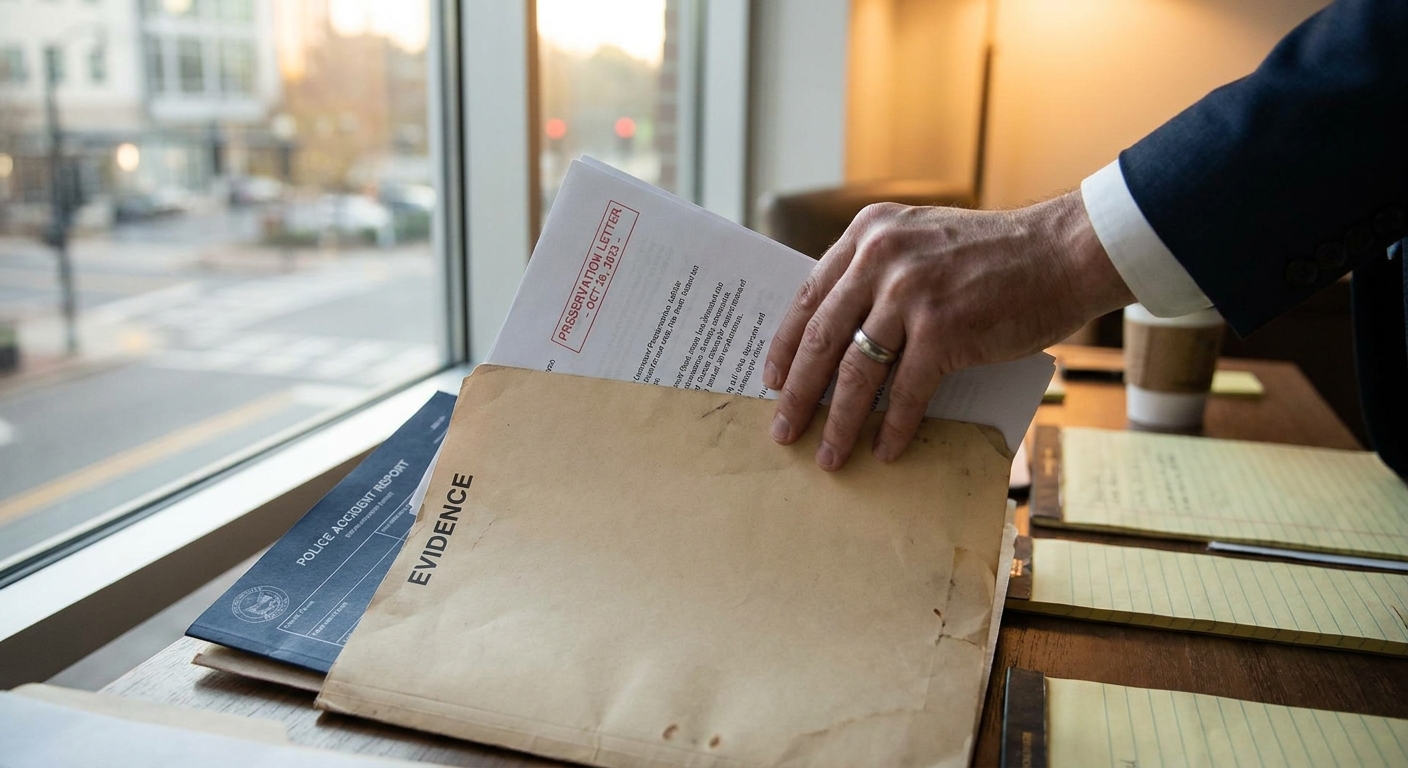
Police reports and statements
Obtain a certified copy of the police report, which typically includes:
- Date, time, and location of the accident
- Identifying information for all vehicles and drivers
- Initial fault assessment and diagram of the crash scene
- Witness names and contact details
For hit-and-run cases, require proof of physical contact or property damage. If you need help interpreting your report, see how to read a police report after an accident.
Medical records and bills
Track all your medical interactions:
- Emergency department records and hospital discharge summaries
- Physician, specialist, chiropractic, and physical therapy notes
- Itemized invoices for procedures, tests, equipment, and prescriptions
- Billing statements and proof of payment
Chronologically organize your records in a binder or digital folder. This clarity reduces disputes over treatment dates or costs.
Digital evidence
Modern technology can bolster your case:
- Dashcam footage and smartphone videos [6]
- Black box data and event data recorder downloads [7]
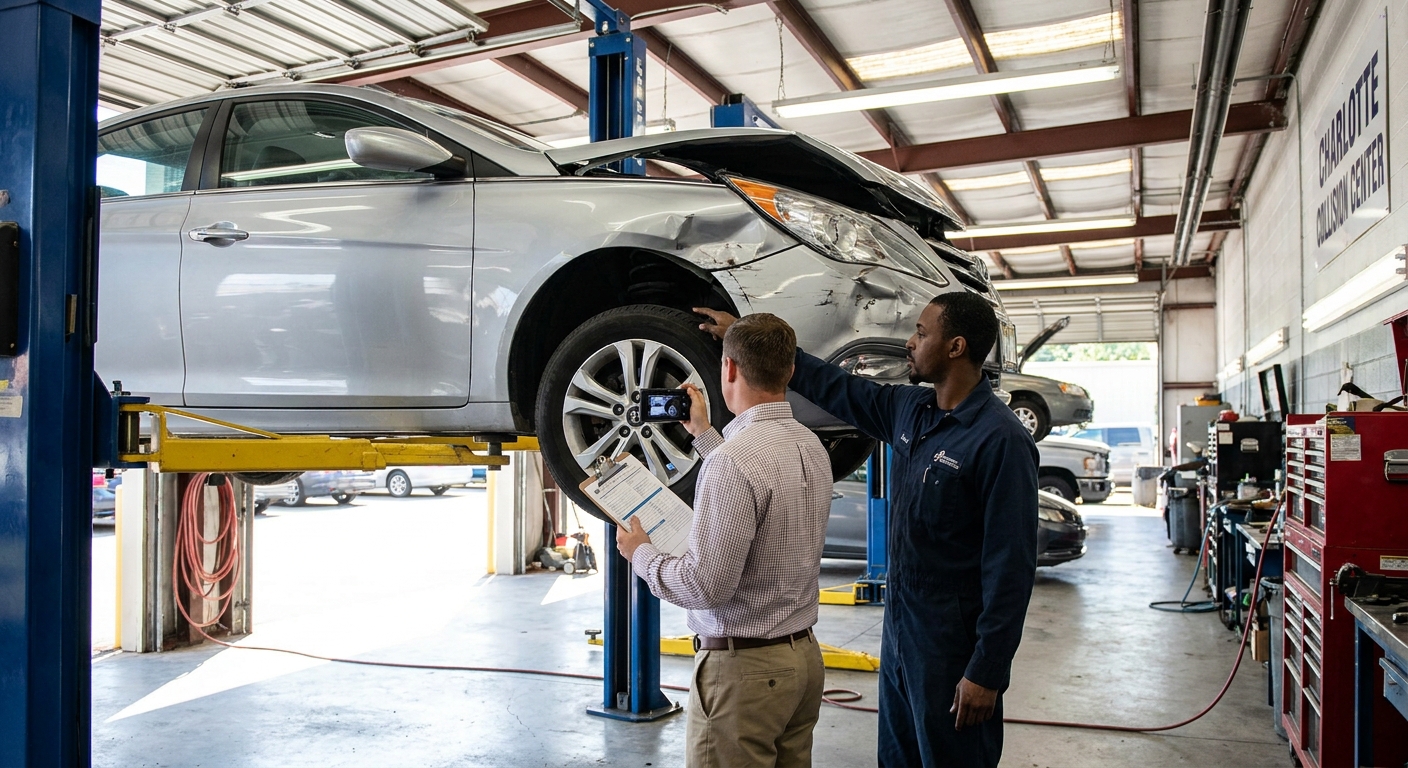
- Photos of vehicle damage, skid marks, and injuries
- Social media posts or messages that verify activity restrictions or pain levels
Collect this evidence promptly, as videos and data can be overwritten or destroyed over time.
File your uninsured motorist claim
Timely and accurate filing ensures your claim is processed efficiently and reduces the risk of denial.
Prepare your demand package
Assemble a demand packet that includes:
- A cover letter summarizing the accident and confirming the other driver’s lack of coverage [8]
- Copy of the police report and any DMV investigation reports
- Medical records, bills, and proof of payment
- Signed proof of loss form provided by your insurer
- Written authorization to release medical or repair records
- A draft demand letter (refer to car accident demand letter example)
Keep a copy of everything you send and use certified mail or another trackable delivery method.
Meet policy deadlines
Insurance contracts often require notice within a strict window, commonly 30 to 60 days after the crash. Failing to comply can jeopardize your entire claim [9]. Use a timeline table to track key dates:
| Action | Deadline example |
|---|---|
| Accident date | May 1, 2025 |
| Initial insurer notification | June 1, 2025 (30 days) |
| Submission of medical records | July 15, 2025 |
| Follow-up status inquiry | Every 30 days |
Set calendar reminders and confirm receipt with your adjuster in writing.
Navigate claims investigation
Once you’ve filed, the insurer will verify coverage, liability, and damages. Understanding the process helps you respond effectively.
Investigation steps
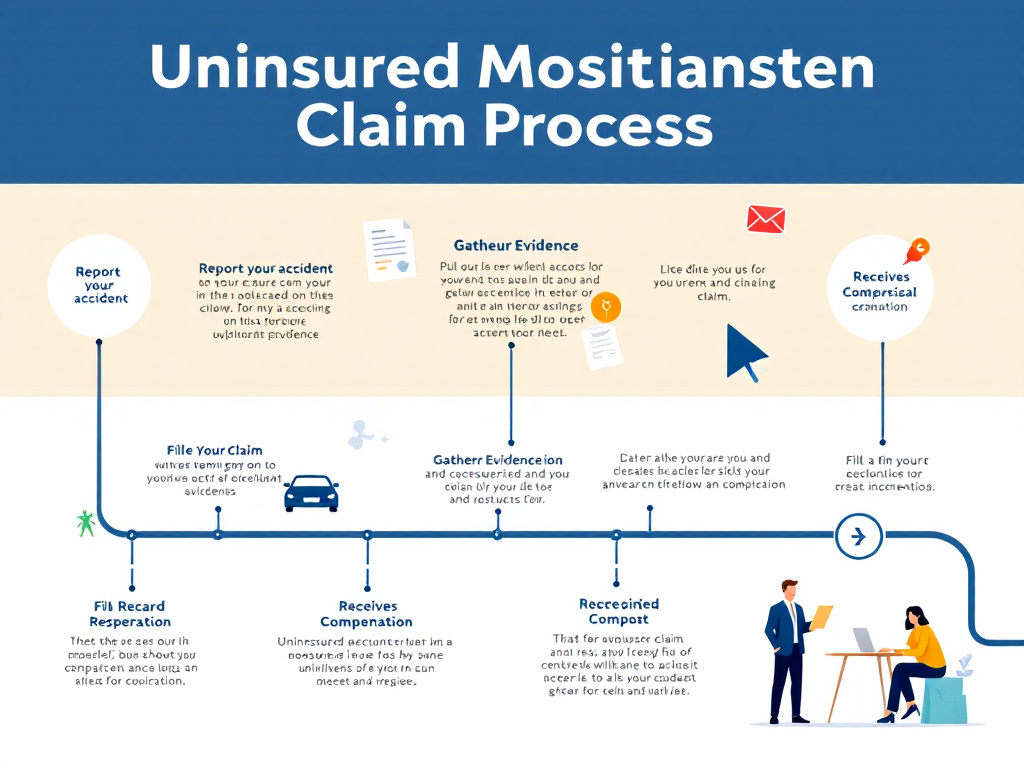
Most UM claims follow a standard sequence:
- Coverage review – Confirms your policy’s applicability to the accident.
- Liability assessment – Verifies the at-fault driver’s uninsured status.
- Evidence gathering – Requests medical exams, repair estimates, and witness statements.
- Damage evaluation – Calculates economic and non-economic losses.
- Final decision – Approves a settlement, issues a partial denial, or denies the claim.
Having your documentation organized and readily available accelerates each step.
Handling adjuster tactics
Adjusters may use various tactics to minimize payouts:
- Requesting multiple recorded statements (see recorded statement to insurance should i give one)
- Highlighting treatment gaps or pre-existing conditions
- Disputing the severity of your injuries based on videos or surveillance
- Delaying investigation requests until deadlines approach
Be polite but concise in communications. Provide only factual answers and refer back to your documentation when defenses arise.
Challenge denied uninsured claims
Denials are not the end of the line. You can appeal internally or pursue external remedies for bad faith.
Denial reasons and responses
| Denial reason | Your response |
|---|---|
| Late reporting or missed deadline | Provide proof of timely notice, reference policy section |
| Evidence of other driver’s coverage | Submit DMV or insurer confirmation of zero coverage |
| Disputed medical necessity | Include physician letters and medical guidelines |
| Coverage exclusions cited | Analyze policy language with an attorney |
Review the insurer’s denial letter thoroughly, noting all cited policy provisions. Document every call, email, and letter in case you need to escalate.
Proving insurer bad faith
Bad faith occurs when an insurer unreasonably delays, denies, or undervalues a valid claim. To support a bad faith claim, you may need:
- Evidence of excessive delay without explanation
- Internal emails or memos showing a directive to minimize payouts
- Expert testimony on standard claims-handling practices
- Documentation of unreasonable settlement offers well below your damages
In many states, you can pursue bad faith in court and recover extra damages beyond your UM benefits.
Seek legal assistance
An experienced personal injury attorney can protect your rights, handle negotiations, and, if needed, file suit on your behalf.
When to consult an attorney
You should consider legal representation if:
- Your injuries are severe, permanent, or require ongoing care
- The insurer’s settlement offer is far below your documented damages
- You encounter repeated delays or shifting denial reasons
- There are complex coverage issues, such as stacking or SUM provisions
Many attorneys offer a free case evaluation and work on contingency, meaning you pay fees only if you recover.
Questions to ask your lawyer
Before you retain counsel, ask:
- What is your experience with uninsured motorist claims?
- How do you structure fees and expenses?
- Can you estimate my claim’s value and timeline?
- Do you handle appeals or bad faith litigation in-house?
- How will you keep me informed of progress?
Choosing the right lawyer early can prevent missteps and strengthen your negotiating position.
Maximize compensation outcomes
A successful UM claim addresses every aspect of your loss and anticipates future needs.
Economic damage calculation
Economic damages cover quantifiable losses:
- Medical expenses (past and projected future costs)
- Lost wages and diminished earning capacity
- Prescription and therapy costs
- Rental car or transportation expenses during repairs
Document each cost with bills, pay stubs, and expert projections of future expenses.
Non-economic damage methods
Non-economic losses—pain, suffering, emotional distress—often account for a large portion of UM payouts. Common valuation methods include:
- Multiplier method: Multiply your total economic damages by a factor (usually 1.5 to 5) based on injury severity.
- Per diem method: Assign a daily rate for pain and suffering (for example, \$100 per day) multiplied by the number of days you experienced significant impact.
Maintain a pain journal to record daily symptoms, medication use, and activity restrictions to justify your multiplier or per diem calculation.
Documenting future expenses
For long-term injuries, you may need:
- Expert medical or life-care plans estimating therapy, assistive devices, or home modifications
- Vocational expert analysis for lost earning capacity
- Psychological evaluations for emotional and mental health treatment
Including these projections in your demand package shows insurers the full scope of your anticipated losses.
Take proactive next steps
A disciplined approach reduces stress and puts you in control of your claim’s outcome.
Checklist for claim success
- Review your UM/UIM policy and note coverage limits
- Report the accident promptly and confirm receipt in writing
- Gather police reports, witness statements, and digital evidence
- Compile organized medical records, bills, and proof of payment
- Submit a complete demand package with signed authorizations
- Track all deadlines and follow up regularly with your adjuster
- Consult an attorney if you face repeated delays or low settlement offers
- Prepare for internal appeals, arbitration, or litigation if necessary
Useful internal resources
- What happens if other driver has no insurance
- Car accident statute of limitations
- How to negotiate with an insurance adjuster car accident
- Pain and suffering car accident calculation
- Recorded statement to insurance should i give one
Final considerations
Navigating the uninsured motorist claim process can feel complex, but a methodical strategy and thorough documentation will help you avoid common pitfalls. By understanding your policy, meeting all deadlines, cooperating with investigations, and seeking legal assistance when needed, you enhance your chances of securing fair compensation. If you’re unsure where to begin or need personalized guidance, consider requesting a free case review to ensure your rights are fully protected.
References
- (Kantrowitz, Goldhamer & Graifman P.C.)
- (Source)
- (Leslie Injury Law)
- (Alan Ripka & Associates)
- (Leverty Law)
- (dashcam footage as evidence in car accident)
- (black box data in car accident cases)
- (what happens if other driver has no insurance)
- (The Barnes Firm)