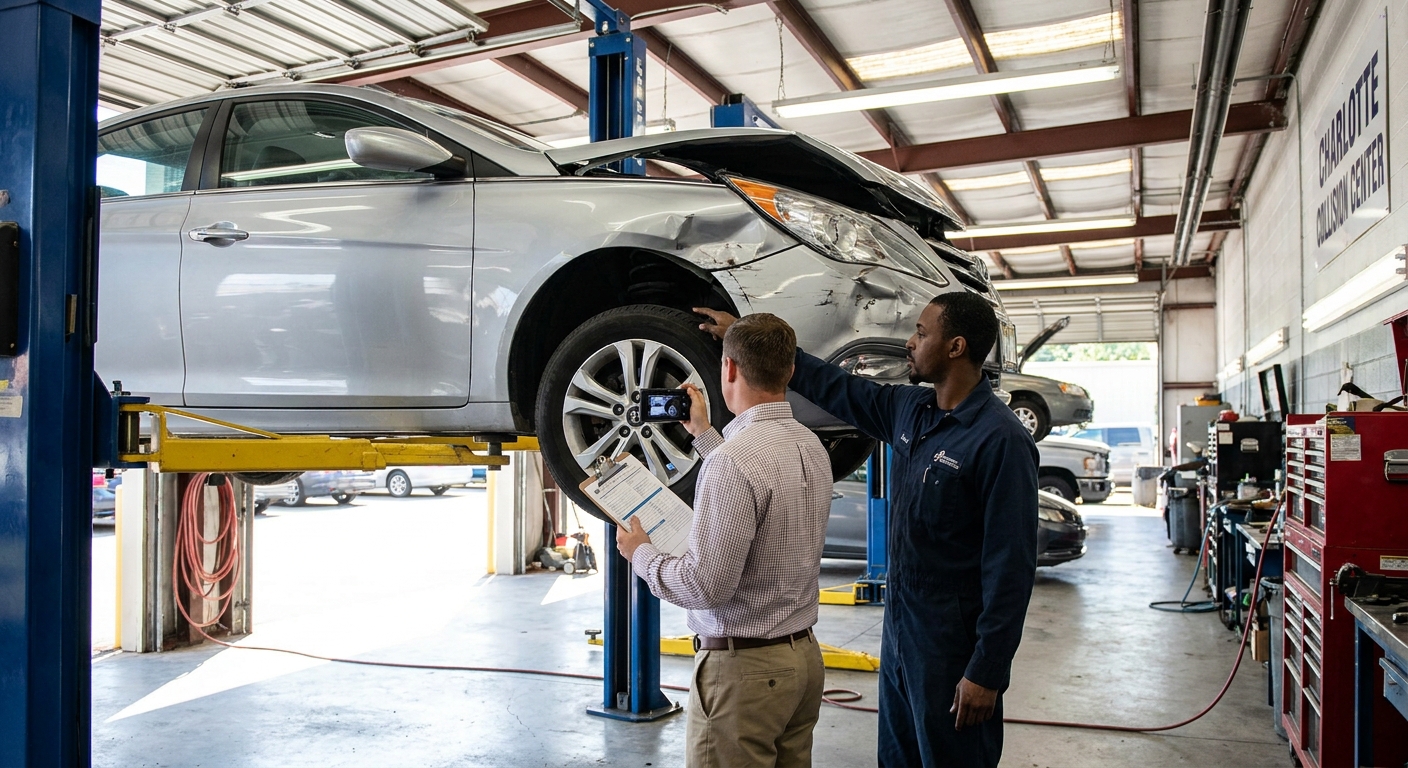

When you’re recovering from a crash, understanding car accident settlement negotiation tips can help you secure the compensation you deserve. From gathering evidence at the scene to responding to lowball insurance offers, each step in the negotiation process affects your final outcome. By following smart strategies, you can protect your rights, address both economic and non-economic losses, and increase your chances of a fair resolution.
In this guide, you’ll find clear, actionable advice on documenting injuries, calculating damages, communicating with insurers, and building a persuasive case. Whether you’re a driver, passenger, cyclist or pedestrian, these steps will help you navigate the post-accident negotiation landscape with confidence.
Gather essential documentation
Proper documentation is the foundation of any strong claim. The more complete and timely your records, the harder it is for insurers to undervalue or dispute your losses.
Seek prompt medical care
- Visit an emergency room or urgent care immediately, even if injuries seem minor. Delayed treatment can weaken your claim and reduce potential compensation [1].
- Keep copies of all medical bills, treatment plans and progress notes. Accurate records link your injuries to the accident and justify your medical damages.
Document the accident scene
- Take clear photos of vehicle damage, road conditions, skid marks and traffic signs.
- Note the time, date and weather conditions in writing or with timestamped photos.
- Preserve any physical evidence, such as torn bumper fragments or personal items.
Collect witness statements
- Ask bystanders for names, phone numbers and brief written accounts of what they saw.
- Record statements promptly while memories are fresh.
- Witness testimony can strengthen liability arguments when fault is contested [2].
Obtain official reports
- Request the police report as soon as it’s available. A detailed report provides authoritative information on the crash, cited roadway conditions, and officer findings [3].
- Keep insurance claim numbers and adjuster contacts in one file for quick reference.
Calculate all damage types
Understanding how damages are calculated helps you set realistic expectations and craft a compelling demand.
Economic damages
These cover tangible financial losses:
- Past and future medical expenses
- Lost wages and reduced earning capacity [4]
- Property damage, including diminished value [5]
- Rental transportation costs [6]
Non-economic damages
Also called general or “pain and suffering” damages, they compensate for:
- Physical pain and emotional distress [7]
- Loss of enjoyment of life
- Anxiety, depression or post-traumatic stress
Future expenses
Accounting for long-term care and rehabilitation is essential:
- Future medical treatment, therapy or surgeries [8]
- Ongoing assistive devices or home modifications
- Impact on future earning potential
A table can help you visualize these categories:
| Damage type | Examples |
|---|---|
| Economic damages | Medical bills, lost income, car repairs |
| Non-economic damages | Pain and suffering, emotional distress |
| Future expenses | Ongoing care, therapy, diminished earning power |
Handle communications strategically
Insurer conversations can make or break your claim. Keep interactions focused and factual.
Communicate with adjusters
- Provide only necessary information: name, claim number, date and location of accident.
- Avoid detailed or speculative statements about injuries or fault.
- Refer complex questions to your attorney [9].
Avoid recorded statements
Insurance companies may request on-camera or recorded interviews. Polite refusal is allowed. Redirect them to written statements or your lawyer to prevent misinterpretation [10].
Use legal counsel
A seasoned personal injury attorney can handle adjuster calls, spot lowball tactics and negotiate higher settlement values. Studies show 85% of bodily injury claims receive better final offers when legal counsel is involved [11].
Develop your negotiation plan
A clear strategy aligns your goals with the insurer’s process and fixed timelines.
Understand settlement timelines
- Negotiations often span a few weeks to several months, depending on injury severity, documentation and insurer workload [12].
- Pursuing a settlement before your medical treatment stabilizes can leave out future expenses or non-economic losses.
Factor comparative fault
If your jurisdiction applies comparative negligence, your recovery may be reduced by your proportion of fault. Review rules in your state [13] to anticipate potential reductions.
Research average settlements
Knowing typical payout ranges gives you leverage in talks:
- Average settlement without injury: $23,900
- Average settlement with injury: $29,700 [12]
- Average claim cost per Insurance Information Institute: $4,650
Draft a persuasive demand letter
Your demand letter is the centerpiece of negotiations, outlining facts, liability and compensation sought.
Structure your claim
- Summary of the accident: date, location and sequence of events
- Statement of liability: how the other party’s actions caused the crash [2]
- Detailed damage breakdown: itemized economic and non-economic losses
- Demand amount: a specific dollar figure based on your calculations
Include supporting evidence
- Medical records and bills
- Repair estimates or invoices
- Photos, police report excerpts and witness statements
- Expert opinions, such as actuarial tables for future costs
For guidance, refer to a car accident demand letter example that illustrates effective formatting and persuasive language.
Evaluate and counter offers
Insurers typically begin with low initial offers. You need to know how to respond and push back.
Assess initial proposals
- Review the insurer’s breakdown of covered damages.
- Compare it to your calculations and documentation.
- Never accept the first offer—it rarely reflects full value [12].
Use multiplier method
For non-economic damages, insurers often apply a multiplier to your total economic losses. Common multipliers range from 1.5 to 5, based on injury severity and jurisdiction [14]. Argue for a higher multiplier if your injuries cause long-term impact.
Negotiate non-economic factors
- Emphasize ongoing pain, emotional distress and loss of quality of life.
- Provide a pain journal or therapy notes to illustrate daily struggles [15].
- Counter with documented evidence rather than broad claims.
Know when to litigate
If negotiations stall or the insurer’s tactics become adversarial, litigation may be the next step.
Recognize lowball tactics
Insurance carriers may:
- Delay responses or drag out negotiations
- Dispute liability or downplay injuries
- Use misleading policy interpretations
If you spot these tactics, document every communication and consider sending a formal letter of intent to litigate.
Consider mediation vs trial
Mediation offers a faster, lower-cost alternative to trial, often resolving disputes through a neutral facilitator. If mediation fails or the insurer refuses to negotiate in good faith, filing a lawsuit protects your right to full compensation [16].
Consult an attorney
An experienced car accident lawyer can guide you on filing deadlines [17], courtroom procedures and evidence requirements. Legal representation often yields higher settlements and safeguards your interests.
Use this checklist
Below is a simple list to keep you on track from crash to settlement:
- Seek immediate medical attention, even for minor complaints
- Report the accident to police and your insurance company
- Collect photos, witness information and police reports
- Maintain detailed medical records and expense receipts
- Calculate economic, non-economic and future damages
- Avoid recorded statements; refer insurers to your lawyer
- Draft and send a comprehensive demand letter
- Review and counter initial settlement offers
- Consider mediation or litigation if needed
- Consult a qualified attorney for case review and negotiation support
Ready to maximize your settlement? Learn more about whether you do i need a lawyer after a car accident and get a free case review today.
References
- (M. Austin Jackson Injury Lawyers)
- (how to prove fault in a car accident)
- (how to read a police report after an accident)
- (lost wages claim after car accident)
- (diminished value claim after car accident)
- (rental car after accident who pays)
- (pain and suffering car accident calculation)
- (future medical expenses in car accident claims)
- (how to negotiate with an insurance adjuster car accident)
- (recorded-statement-to-insurance-should-i-give-one)
- (Nichols Injury Law)
- (The Roth Firm, LLC)
- (comparative negligence car accident explained)
- (Super Lawyers)
- (pain journal for car accident evidence)
- (mediation vs trial in car accident lawsuits)
- (car accident statute of limitations)