When you’re injured in a collision, you may be wondering how to prove fault in a car accident and win your case. Establishing liability requires gathering the right evidence, understanding legal standards, and presenting your claim persuasively. In this guide, you’ll learn step by step how to collect, document, and leverage the information you need to support your claim and maximize your recovery. For an overview of filing a claim, see our car accident claim process explained.
Understand fault determination
Fault in a motor vehicle collision means showing which party’s actions or negligence caused the crash. You’ll need to frame your evidence within your state’s legal context, including comparative negligence rules and filing deadlines.
Define fault in accidents
Fault is assigned based on whether a driver failed to exercise reasonable care. Examples include running a red light, speeding, or distracted driving. When you can prove another party breached a duty of care, you establish the foundation of liability.
Note comparative negligence
Many states use comparative negligence, which reduces your recovery by your percentage of fault. If you were 20 percent at fault, your damages award is reduced by 20 percent. Learn more about comparative negligence rules in our comparative negligence car accident explained.
Note statute of limitations
Every jurisdiction sets a time limit for filing a lawsuit. Missing the deadline typically bars your claim. For specifics on how long you have, visit our car accident statute of limitations.
Collect essential evidence
Building a persuasive case starts at the scene. The more comprehensive your documentation, the stronger your position when proving liability.
Capture photos and videos
- Take wide shots to establish positioning and close-ups to show damage
- Photograph skid marks, traffic signals, and street signs from multiple angles and distances [1]
- Record a short video walkthrough to preserve the scene dynamically
Obtain the police report
A police report offers an objective summary, noting citations, witness observations, and officer impressions.
- Request the report number and officer’s name at the scene [2]
- Review it carefully to identify statements of fault, citations for traffic violations, or noted injuries
For tips on decoding this document, see our how to read a police report after an accident.
Analyze vehicle damage
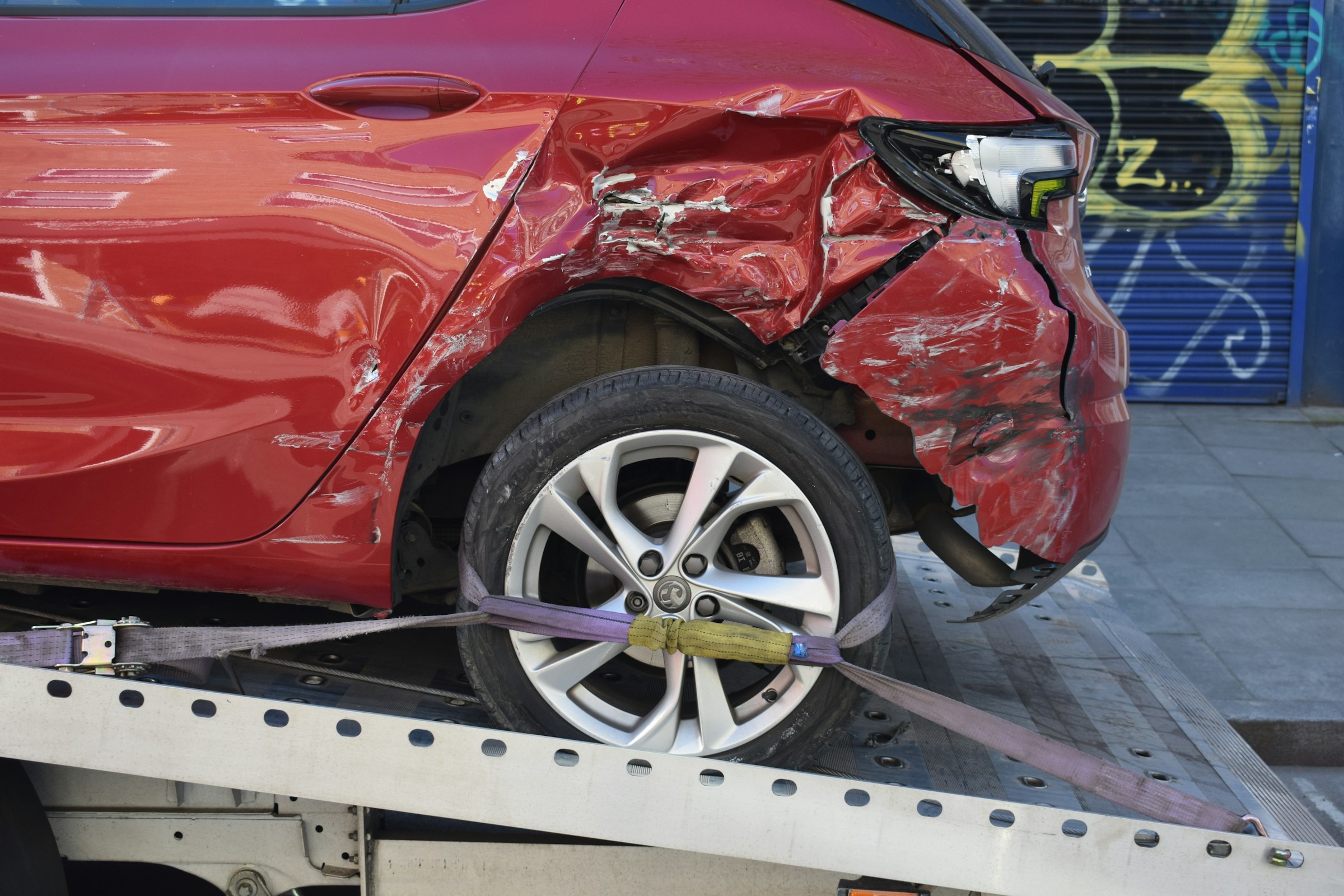
Damage patterns can reveal impact angles, vehicle speeds, and points of contact. A forensic analyst can reconstruct the crash based on:
- Dent locations
- Paint transfers
- Frame misalignment [3]
Gather medical documents
Maintain copies of:
- Emergency room and urgent care records
- Bills, receipts, and appointment letters
- Photographs of visible injuries and treatment notes [1]
These records form a paper trail linking your injuries to the crash, which is critical when valuing your claim.
Document accident scene
Early and thorough scene documentation preserves details that fade over time.
Take multiple-angle photos
Aim for at least five shots from varying distances. Capture:
- Your vehicle’s position
- Other vehicles’ positions
- Surrounding property and road conditions
Record environmental factors
Note weather, lighting, traffic signals, skid marks, debris, and signage. A brief video narration can be especially compelling.
Exchange contact information
Collect names, addresses, phone numbers, driver’s license numbers, license plate numbers, and insurance details for:
- Other drivers
- Passengers
- Eyewitnesses
Write this information down or photograph documents immediately [2].
Record injuries and expenses
Your health and financial records directly impact the value of your claim. Consistent medical care and documentation demonstrate seriousness.
Seek immediate medical care
Even if injuries seem minor, get examined promptly. Delays can raise doubts about causation. For guidance, see should i go to urgent care after a car accident.
Urgent care protocol
- Describe all symptoms
- Request written notes on visible injuries
- Keep all discharge papers and referrals
Keep a medical paper trail
Maintain a dedicated file with:
- Bills and receipts
- Doctor’s notes
- Physical therapy logs
Use a pain journal for car accident evidence to record daily symptoms and limitations.
Monitor treatment timelines
Gaps in treatment can be used to challenge your claim. Log appointment dates, missed sessions, and reasons to avoid gaps in care [2].
Obtain witness statements
Eyewitness accounts add weight to your version of events and can counteract conflicting stories.
Identify eyewitnesses
Look for unbiased bystanders, nearby drivers, or pedestrians.
Collect contact details
Ask for names, phone numbers, and email addresses promptly while details are fresh.
Secure written or recorded accounts
- Encourage witnesses to write or sign brief statements
- Record on-camera or audio recollections for additional credibility
Preserve technical data
Electronic evidence often provides objective timing and sequencing information.
Use dashcam footage
Dashcams can capture everything leading up to and following a crash, offering an unbiased narrative. Encourage drivers with recordings to share their files [4]. See also dashcam footage as evidence in car accident.
Retrieve black box data
Event data recorders measure speed, braking, and steering inputs. A qualified technician can download and interpret this information [3]. Learn more at black box data in car accident cases.
Collect GPS and phone logs
Your smartphone’s location history or in-vehicle navigation logs can corroborate movement and stops before the crash.
Counter insurance disputes
Insurance adjusters often minimize claims. You must be prepared to respond effectively.
Handle recorded statements
You have the right to decline or carefully prepare for a recorded statement. Understand the risks before speaking. See our guide on recorded statement to insurance should i give one.
Draft a demand letter
A clear, well-supported demand letter lays out your facts, liability, and damages. Reference our car accident demand letter example for structure and best practices.
Negotiate with adjusters
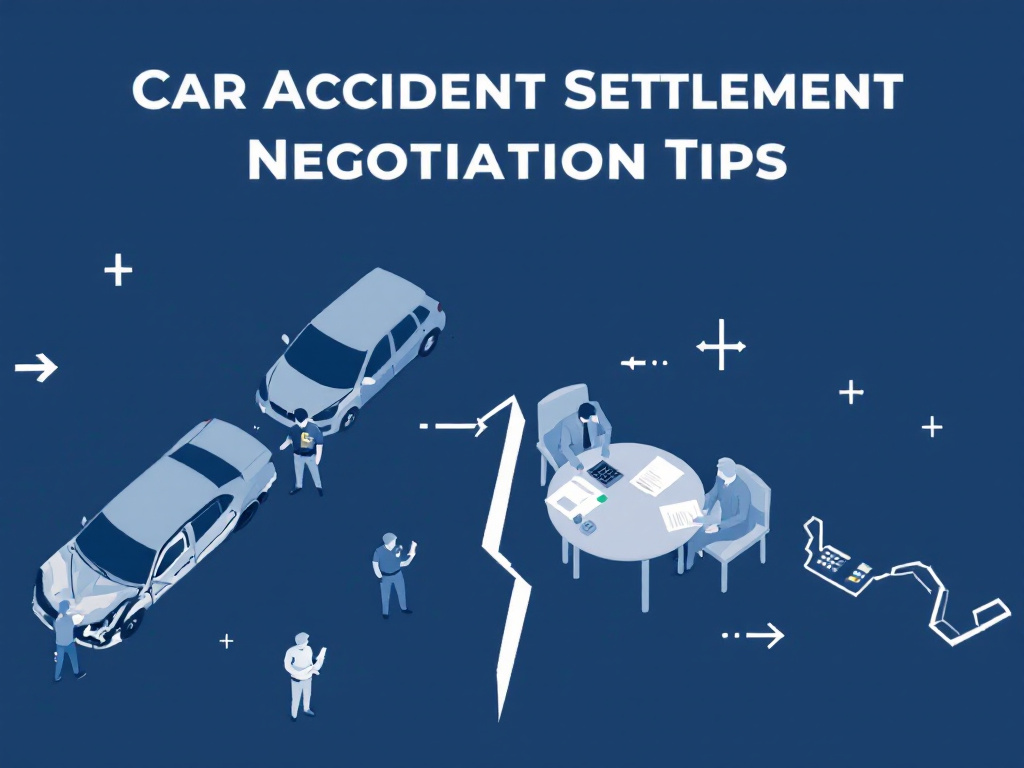
Present your evidence systematically and remain confident. For tips on securing a fair offer, review car accident settlement negotiation tips and how to negotiate with an insurance adjuster car accident.
Build your legal claim
When you combine evidence and valuation, you create a compelling demand.
Calculate damages
Your total damages may include:
- Medical bills and future medical expenses [5]
- Lost wages and diminished earning capacity [6]
- Pain and suffering [7]
- Property damage
Prepare for mediation or trial
Most cases settle before trial, but you should be ready to present evidence in mediation or court. Learn the differences in mediation vs trial in car accident lawsuits.
Seek professional support
An experienced attorney can guide you through complex legal procedures and negotiations.
When to hire an attorney
Consider legal help if:
- You face serious injuries or high damages
- Fault is disputed
- You encounter aggressive insurance tactics
See our article do i need a lawyer after a car accident.
How a lawyer helps
A qualified lawyer can:
- Investigate and gather additional evidence
- Consult forensic experts
- Draft persuasive pleadings and demands
- Negotiate with insurers or litigate in court
Request a free case review
Don’t navigate this process alone. Contact our team today for a free case review and personalized plan to prove fault, maximize your recovery, and secure the support you need for lasting resolution.