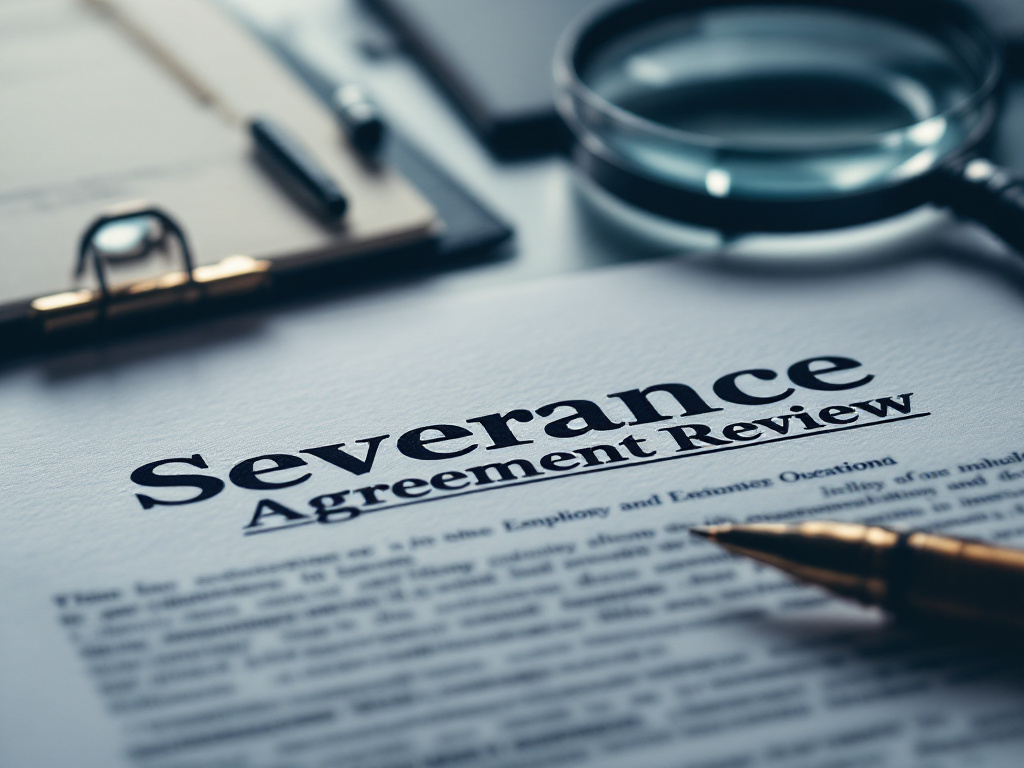

Partnering with an employment litigation firm gives you the specialized expertise needed to address workplace disputes, compliance challenges, and legal risks before they escalate. Whether you’re an employer, HR manager, or employee facing a dispute, an employment litigation firm offers proactive counsel and strategic representation to protect your interests and reputation. By engaging a dedicated team, you tap into deep knowledge of federal and state statutes, recent case law, and best practices in dispute resolution—ensuring you respond effectively from pre-litigation through trial and beyond.
Understand employment litigation
Employment litigation covers a broad spectrum of workplace disputes that can arise at any stage of the employee lifecycle. According to Super Lawyers, common case types include:
- Discrimination and harassment under Title VII, the ADA, ADEA, and other statutes [1]
- Wrongful termination and whistleblower claims
- Wage and hour disputes, including unpaid overtime and minimum wage violations
- Retaliation and hostile work environment claims
- Contract breaches and noncompete enforcement
The litigation process typically unfolds in stages:
- Case assessment and demand or charge filing
- Investigation and discovery
- Pre-trial motions and mediation
- Trial and potential appeals
By understanding these phases, you can see how early strategic decisions—like selecting the right counsel—shape outcomes and control costs.
Recognize common case types
You may encounter claims ranging from allegations of sexual harassment to suits under the Family and Medical Leave Act. In 2020, the Supreme Court’s Bostock v. Clayton County ruling extended Title VII protections to sexual orientation and gender identity nationwide [1]. Staying current on such precedents ensures your firm can anticipate arguments and craft defenses or policies that minimize exposure.
Review litigation process overview
From initial demand letters to final judgment, each step has procedural requirements and deadlines. A skilled employment litigation firm guides you through mandatory administrative filings, discovery obligations, motion practice, mediation sessions, and trial preparation. That roadmap prevents missed filings and costly delays, helping you resolve disputes efficiently.
Realize partnership benefits
When you partner with an employment litigation firm, you secure advantages that extend well beyond reactive courtroom defense.
Gain proactive legal counsel
Firms like Duane Morris offer practical guidance to prevent disputes before they arise—drafting employee manuals, designing compliance strategies, and implementing training programs [2]. With ongoing support from dedicated hr legal counsel, you can align policies, procedures, and culture to regulatory requirements and industry standards.
Achieve risk mitigation
Early intervention often defuses claims before they turn into lawsuits. Your firm can audit pay practices to prevent wage and hour legal services violations, review leave policies with fmla legal counsel, and ensure proper classification with an employment misclassification attorney. By addressing gaps proactively, you reduce the likelihood of costly litigation.
Enhance outcome predictability
A specialist firm brings deep case-law insight and trial experience that creates leverage in settlement negotiations. You’ll have data-driven projections—based on factors like jurisdiction, claim type, and historical award trends—to inform decisions. Predictability not only shapes strategy but also supports realistic budgeting and financial planning.
Explore litigation services
An employment litigation firm typically offers a full suite of services across the dispute lifecycle. That comprehensive approach ensures continuity and institutional knowledge from day one.
Pre-litigation counseling
Before a formal lawsuit, your firm can:
- Conduct internal investigations into misconduct allegations
- Prepare and revise employee handbooks [3]
- Counsel on progressive discipline and performance documentation
- Draft separation agreements and release forms with severance agreement review
Early counseling often leads to internal resolutions or alternative dispute resolution, saving time and expense.
Litigation representation
If a case proceeds, you’ll have advocates experienced in:
- Drafting complaints, answers, and dispositive motions
- Defending or pursuing claims before the EEOC, DOL, or state agencies
- Representing management in union organizing and collective bargaining [4]
- Handling wrongful termination matters with a wrongful termination attorney
- Addressing retaliation claims alongside a retaliation employment lawyer
- Opposing discrimination suits via a discrimination complaint lawyer
By centralizing these services, you maintain strategic consistency and minimize handoff errors.
Post-litigation support
After a resolution or verdict, your firm can help you:
- Update policies to reflect lessons learned
- Train managers on compliance and risk management
- Implement monitoring mechanisms to track ongoing exposures
That follow-through transforms a dispute into an opportunity for operational improvement.
Manage costs effectively
Litigation can be expensive, but partnering wisely helps you control budgets and optimize resources.
Control legal expenses
An employment litigation firm offers flexible fee structures, including hourly, blended rates, and contingency or capped arrangements. Employers who settle claims before trial typically spend around $75,000, whereas pre-trial defense costs can exceed $125,000 if a case advances [5]. By negotiating fee arrangements that align with your risk tolerance, you gain financial predictability.
Avoid financial surprises
Transparent budgets, early cost estimates, and regular updates keep you informed. Your firm flags activities that could drive costs—like extensive depositions or expert witnesses—allowing you to make timely decisions on scope, timing, and settlement vs trial trade-offs.
Strengthen policy compliance
An employment litigation firm does more than defend—you can tap into its expertise to build a robust compliance ecosystem.
Draft and review contracts
Clear, enforceable agreements reduce disputes. Your firm can:
- Draft and negotiate employment contracts and offer letters [6]
- Prepare noncompete and confidentiality agreements [7]
- Review severance and separation packages [8]
Solid documentation sets expectations and limits ambiguity.
Update handbooks and policies
Comprehensive policies help you meet federal and state mandates. Your firm can:
- Conduct an employee handbook legal review
- Provide employment policy legal counsel for harassment, retaliation, and leave policies
- Ensure alignment with wage, hour, and classification regulations through wage and hour legal services
Regular policy audits and updates drive consistent application and reduce exposure to claims.
Choose the right firm
Selecting an employment litigation partner is a strategic decision that affects your legal posture and workplace culture.
Evaluate expertise and experience
Look for a team with proven results in your industry and claim types. Review case studies or client testimonials to confirm their track record handling discrimination, wrongful termination, or class actions. Confirm they stay current on developments like the ADA, FMLA, the Conscientious Employment Protection Act in New Jersey, and recent Supreme Court rulings.
Assess communication and support
You need prompt, clear updates on case status, deadlines, and budget. Ask about your primary point of contact, reporting cadence, and how emergencies are handled. Effective partnership relies on transparent dialogue and an accessible team.
Compare fee structures
Discuss alternative billing models—hourly, blended, and contingency—to find alignment with your financial goals. Confirm whether the firm supplements attorney fees with anticipated costs for court filing fees, expert witnesses, depositions, and travel.
Optimize your legal partnership
Maximize the value you receive by embedding your employment litigation firm into your broader risk management framework.
Provide training and workshops
Leverage your firm’s expertise to train managers and HR on key areas:
- Harassment prevention and sensitivity
- Performance management and documentation
- Wage and hour compliance
Regular workshops turn policies into practice and reinforce a culture of compliance.
Leverage continuous legal updates
Subscribe to your firm’s newsletters, attend webinars, and schedule quarterly reviews. Staying informed about legislative changes and emerging case law—like evolving standards for workplace accommodations or remote work policies—ensures you adapt policies and avoid surprises.
By choosing and collaborating closely with an employment litigation firm, you transform legal risk into strategic advantage. You gain expert defense when disputes arise and proactive guidance that fortifies your policies, reduces liability, and supports a fair, compliant workplace culture. Whether you need a workplace dispute lawyer, employment law compliance support, or hands-on litigation representation, the right partner empowers you to navigate complex employment issues with confidence.
References
- (Super Lawyers)
- (Duane Morris)
- (employee handbook legal review)
- (labor and employment litigation)
- (Novian & Novian, LLP)
- (employment contract drafting)
- (noncompete agreement legal)
- (severance agreement review)