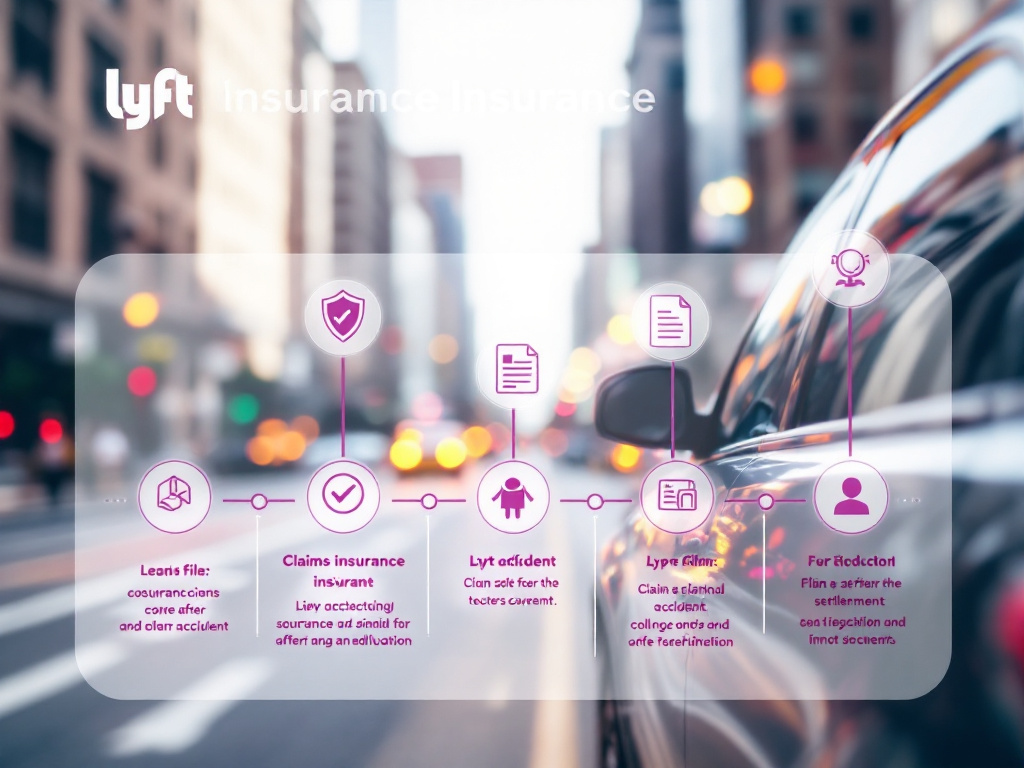
When you’re involved in a crash with a rideshare vehicle, knowing how Lyft accident insurance coverage protects you after an accident can make a critical difference in your recovery. Understanding the layers of protection, coverage gaps, claim responsibilities, timelines and tactics for maximizing compensation will empower you to navigate the post-crash process confidently. In this guide you will learn how rideshare insurance works, when Lyft’s policies apply, what limits and deductibles to expect, and the steps you should take to file a successful claim.
Understanding rideshare insurance
Rideshare insurance is a hybrid form of coverage that merges elements of personal auto insurance with commercial policies. Because most personal auto policies exclude “commercial activities” such as transporting passengers for pay, rideshare companies fill in the gaps with contingent or primary coverage depending on your status in the app.
Hybrid coverage model
- Personal auto policy: When the Lyft app is off, your own insurance applies—unless your insurer denies coverage for ridesharing
- Rideshare endorsement: Some insurers offer a rideshare endorsement to extend your personal policy during the waiting stage
- Lyft’s policies: Lyft provides coverage tiers once you log in and receive requests, ensuring you have liability and, in some periods, collision protection [1]
Coverage gaps
Even with hybrid coverage, gaps can leave you exposed:
- Personal policy exclusions: Many insurers explicitly deny claims if the app is on
- Waiting-period limits: Contingent collision and comprehensive protection may carry a high deductible
- UM/UIM confusion: Underinsured and uninsured motorist coverage limits vary by state and policy [2]
Being aware of these gaps helps you plan ahead, whether by adding a rideshare endorsement or purchasing supplemental coverage from major insurers like Allstate, Geico or Progressive.
Lyft coverage periods
Lyft breaks down the rideshare experience into four distinct periods. Each triggers different insurance protections, limits and deductibles.
| Period | App status | Coverage activated | Limits | Deductible |
|---|---|---|---|---|
| Period 0 | Offline (app off) | Personal auto insurance only | Varies by your policy | Varies |
| Period 1 | App on, awaiting ride request | Contingent liability, collision | Statutory liability; collision | $2,500 for comp/coll |
| Period 2 | En route to pick up passenger | Lyft third-party liability | $1,000,000 per accident | N/A |
| Period 3 | Carrying a passenger | Liability and uninsured motorist | $1,000,000 per accident | N/A |
Period 0: Offline
When you are off the app, only your personal insurance applies. If your insurer excludes rideshare activity, you risk no coverage until Lyft’s policies kick in.
Period 1: Waiting for request
Once you log in and await a request, Lyft provides contingent collision and comprehensive protection subject to a $2,500 deductible, plus liability coverage that meets state minimums [1].
Period 2: En route to pick-up
After accepting a ride, Lyft’s primary third-party liability policy offers up to $1,000,000 in protection for bodily injury and property damage per accident.
Period 3: With passenger
While transporting a passenger, Lyft extends its $1,000,000 policy to include uninsured/underinsured motorist coverage, helping cover losses if the at-fault driver lacks sufficient insurance [3].
Assessing coverage limits
Understanding the scope and limits of each coverage type ensures you can assess potential out-of-pocket exposure.
Liability protection
Lyft’s primary liability policy provides up to $1,000,000 per accident once the app is engaged. This applies to:
- Bodily injury for others if you are at fault
- Property damage for vehicles and other assets
Collision coverage and deductible
During the waiting period, contingent collision and comprehensive protection can cover damage to your vehicle, but only after you meet the $2,500 deductible. If the repairs exceed your policy’s limit, you may pay the difference.
Underinsured motorist protection
Lyft’s uninsured and underinsured motorist (UM/UIM) policy typically covers up to $1,000,000 per accident. This fills gaps when another driver has insufficient insurance, safeguarding you and your passengers from severe financial loss.
Determining claim responsibility
Several factors dictate which insurer pays your damages and in what order.
Your personal policy role
Your personal auto insurer typically has the first opportunity to cover damages if the app is off or during coverage gaps. If that policy denies or limits your claim, Lyft’s coverage layer activates.
Lyft insurance trigger
Lyft’s insurance applies based on the period in which the accident occurs. For example, if you’re en route to pick up a passenger and cause a crash, Lyft’s third-party liability protects others. If you’re off the app, Lyft’s policies do not apply.
State-specific rules
Insurance requirements and no-fault laws vary by state, affecting claim responsibility.
New Jersey no-fault exceptions
In New Jersey, your own insurer covers medical expenses regardless of fault. If your policy falls short, you may pursue compensation from the negligent party’s insurer [4].
Maryland minimums
Maryland requires Lyft to carry $125,000 combined single limit for bodily injury and property damage when en route to pick up passengers, meeting state mandates [5].
NYC taxi and livery drivers
Lyft does not procure coverage for TLC or livery drivers in certain New York jurisdictions; these drivers must maintain their own policies in compliance with local regulations.
Filing your claim
Timely and thorough action after a crash streamlines your path to recovery.
Immediate actions
- Ensure everyone is safe and call 911 if needed
- Exchange contact, insurance and vehicle information
- Document the scene: take photos of damage, skid marks and traffic signals
- Gather witness names and statements
- Report the accident to Lyft’s Claims Customer Care team (available 24/7)
These steps align with guidance on what to do after a car accident not your fault and set a strong foundation for your claim.
Evidence collection
- Obtain a copy of the police report; learn how to read a police report after an accident
- Secure dashcam or black box data when available [6]
- Keep all medical records, invoices and prescriptions
- Maintain a pain journal to document ongoing symptoms
Submission steps
- Notify your personal insurer of the crash
- File a claim through the Lyft driver app or website
- Upload photos, police reports and medical bills
- Follow up regularly with adjusters until you receive confirmation of liability and coverage details
Maximizing compensation
Building a strong claim involves accurate damage calculations, effective negotiation and, when needed, legal expertise.
Calculating damages
Your compensation may include:
- Medical expenses, past and future
- Lost wages and diminished earning capacity [7]
- Pain and suffering and emotional distress [8]
- Property damage, including diminished value
For a personalized estimate, visit our guide on how much is my car accident claim worth.
Handling insurance adjusters
- Be cautious in recorded statements; consult guidance on recorded statement to insurance should i give one
- Provide requested documentation promptly
- Use negotiation strategies in our car accident settlement negotiation tips
Legal representation benefits
An experienced injury attorney can:
- Handle communication with Lyft’s insurer and third parties
- Gather evidence through subpoenas, depositions and accident reconstructions [9]
- Negotiate fair settlements and, if necessary, file a lawsuit
- Explain options after a rideshare accident in our rideshare accident claim steps
Learn whether you should involve counsel in do i need a lawyer after a car accident.
Planning your next steps
Keeping track of timelines and deadlines ensures you preserve your right to compensation.
Timeline and deadlines
- File a claim with Lyft and your insurer as soon as possible
- Track your state’s statute of limitations [10]
- Understand lawsuit timelines, typically 6 to 18 months for settlement negotiations [11]
When to consult an attorney
Consider speaking with a lawyer if:
- Liability is disputed or fault is unclear
- You face severe injuries or long-term treatment
- Insurance offers fall short of your documented losses
Request a free case review
If you need expert guidance to navigate Lyft’s insurance policies, gather evidence, or negotiate the compensation you deserve, contact us for a free case review. Our team is ready to help you focus on recovery while we handle the details of your claim.
References
- (Attorney Joshua Palmer)
- (Slocumblaw)
- (Levinson Law Group)
- (Stathis & Leonardis)
- (Lyft Driver Insurance)
- (dashcam footage as evidence in car accident)
- (lost wages claim after car accident)
- (pain and suffering car accident calculation)
- (Sasooness Law Group)
- (car accident statute of limitations)
- (how long does a car accident lawsuit take)