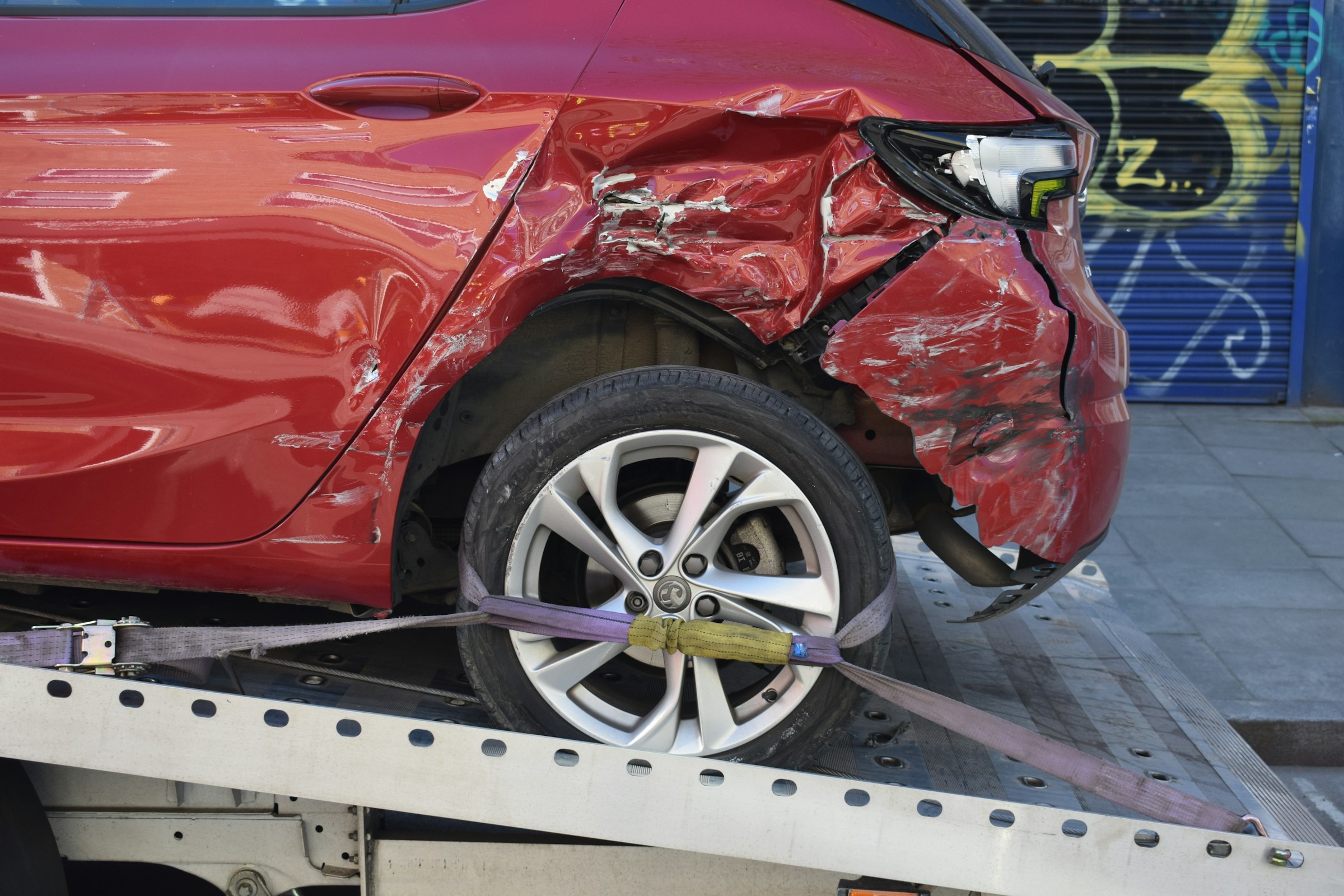

After a car accident, you may be facing medical bills, insurance forms, and time away from work. At the same time, you’re likely asking: how much is my car accident claim worth? Determining your claim’s value involves adding up quantifiable losses, estimating intangible harms, and factoring in liability and policy limits. This guide breaks down each component that influences your settlement, shows you what evidence you need, and outlines the practical steps you can take to maximize compensation.
Evaluate economic damages
Economic damages cover the direct, out-of-pocket costs you incur because of the crash. Documenting these losses precisely lays the foundation for a strong claim.
Medical expenses
Your medical bills often form the bulk of economic damages. Include costs for:
- Emergency services and hospitalization
- Diagnostic tests such as X-rays, CT scans and MRIs
- Surgeries, specialist visits and follow-up appointments
- Rehabilitation, physical therapy and chiropractic care
- Prescription medications and medical devices
| Expense type | Description | Example cost |
|---|---|---|
| Routine visits | Doctor office or urgent care appointments | ~$2,000 for several sessions [1] |
| Imaging services | X-ray, CT scan, MRI | MRI can add ~$2,500 to your balance [1] |
| Specialist care | Consultations with surgeons or neurologists | Varies by procedure |
| Rehabilitation | Physical therapy or occupational therapy sessions | $100–$300 per session |
Lost wages and future income
If your injuries force you to miss work or reduce your earning capacity, you can recover:
- Actual lost wages based on pay stubs or employer letters
- Lost earning capacity if you cannot return to your prior role or hours
- Bonuses, commissions or benefits you would have earned
- Future medical expenses tied to ongoing care [2]
To document lost income, gather pay stubs, tax returns and employer statements, and consider expert testimony for long-term disability claims [3].
Property damage
Vehicle repairs or total loss payouts, plus damaged personal items, are recoverable. Common categories include:
- Repair or replacement costs for your car
- Rental car expenses during repairs [4]
- Damage to electronics, child seats or personal belongings
Assess non-economic damages
Non-economic damages compensate for intangible harms that lack a precise dollar amount but significantly affect your life.
Pain and suffering
Compensation for physical pain, discomfort and loss of life enjoyment may be calculated using:
- Multiplier methods (applying a factor to your total economic damages)
- Per-diem formulas (assigning a daily rate based on injury severity)
Explore detailed methods in pain and suffering car accident calculation.
Loss of consortium and emotional distress
You may recover for:
- Strained personal relationships or loss of companionship
- Anxiety, depression or post-traumatic stress caused by the accident
- Diminished quality of life in daily activities
Consider punitive damages
Punitive damages—meant to punish particularly reckless or intentional misconduct—are rare in car accident claims but can apply if:
- The at-fault driver was intoxicated or drove with willful disregard for safety
- A pattern of negligent behavior is proven
Determine liability factors
Your percentage of fault and the other party’s liability directly affect claim value.
Fault and comparative negligence
In most states you share responsibility for your own damages if you are partially at fault. Under pure comparative negligence, your recovery is reduced by your percentage of fault. Learn more about shared fault at comparative negligence car accident explained and how to establish liability via how to prove fault in a car accident.
Insurance coverage limits
Policy limits cap the maximum payout. Be sure to:
- Identify the at-fault driver’s liability limits
- Check your underinsured motorist coverage
- Understand MedPay, PIP or health insurance contributions [5]
Uninsured and underinsured claims
If the other driver lacks adequate insurance, you can pursue:
- An uninsured motorist claim [6]
- Coverage under your own policy for underinsured drivers [7]
Gather supporting evidence
Strong documentation proves your losses, liability and request amount.
Medical records and bills
Collect all treatment records, itemized bills and:
- A pain journal documenting daily symptoms [8]
- Proof of future care recommendations
Police reports and documentation
The official crash report records key details:
- Officer observations and citations
- Accident diagrams and witness statements
Request and review the report via how to read a police report after an accident), and file your DMV form if required [9].
Eyewitness and electronic evidence
Photographs, video and third-party data strengthen your claim:
- Accident scene photos and vehicle damage
- Dashcam footage [10]
- Black box data from airbag control modules [11]
- Witness contact information and statements
Navigate the claim timeline
Understanding each phase helps you manage expectations and avoid missed deadlines.
Demand letter and negotiation
After documenting damages, your lawyer or you will send a demand letter outlining:
- A summary of facts and liability
- Itemized economic and non-economic damages
- A deadline for insurer response
Then, negotiations may involve multiple rounds before an offer is made.
Litigation and deadlines
If negotiations stall, you can file a lawsuit. Key milestones include:
- Filing your complaint before the statute of limitations expires
- Discovery, depositions and expert reports
- Mediation or pre-trial settlement discussions [12]
- Trial and verdict, if settlement is not reached
For typical timelines, see car accident claim process explained and how long does a car accident lawsuit take.
Explore next steps
Once you understand your claim value and timeline, take these actions to protect your interests.
Seek medical treatment
Prompt evaluation not only protects your health but also establishes a clear record of injuries. If you are unsure where to go, consider urgent care for initial assessment [13].
Consult a legal professional
An experienced attorney can:
- Review your evidence and demand letter
- Advise on fault issues and coverage limits
- Negotiate with insurers on your behalf
Find out do i need a lawyer after a car accident.
Track your claim progress
Keep organized:
- A folder—digital or physical—for all medical bills, correspondence and receipts
- A log of calls, settlement offers and deadlines
- Regular check-ins with your attorney or claims adjuster
Request a free case review
If you’re ready to discuss your specific situation and get an expert estimate of what your car accident claim is worth, contact us today for a free case review. We’ll evaluate your medical records, damage estimates and liability factors to help you pursue the maximum compensation you deserve.
References
- (AICA.com)
- (future medical expenses in car accident claims)
- (Inkelaar Law)
- (rental car after accident who pays)
- (pip vs medpay vs liability coverage explained)
- (uninsured motorist claim process)
- (what happens if other driver has no insurance)
- (pain journal for car accident evidence)
- (car accident statute of limitations)
- (dashcam footage as evidence in car accident)
- (black-box-data-in-car-accident-cases)
- (mediation vs trial in car accident lawsuits)
- (should i go to urgent care after car accident)