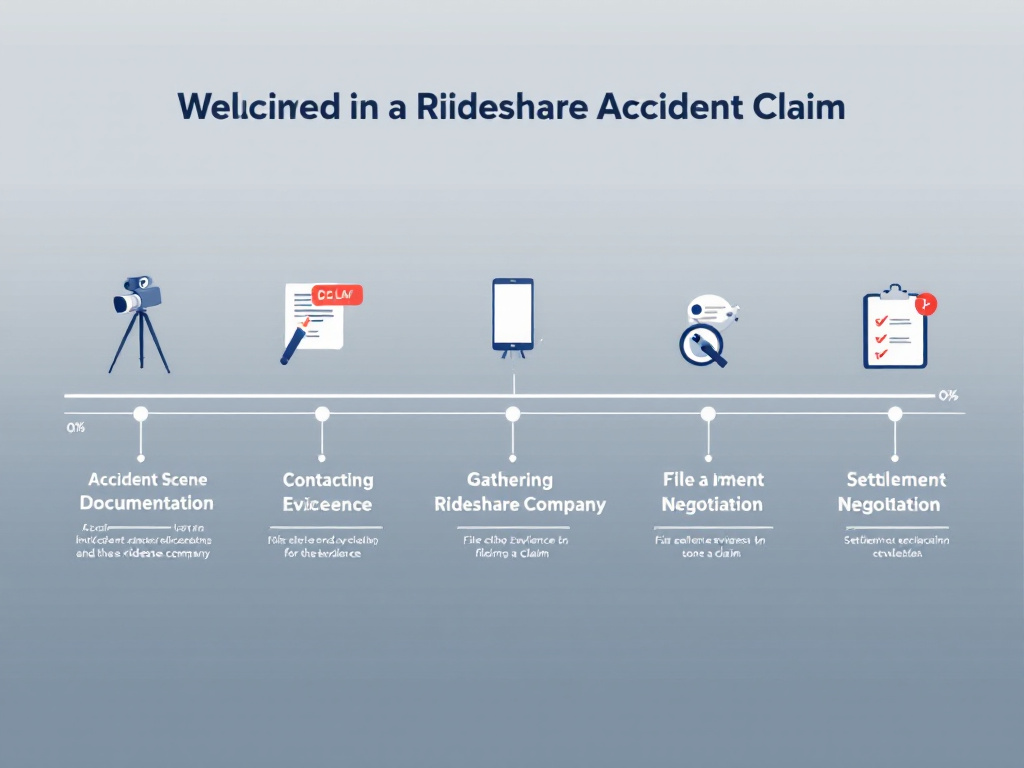
If you’ve been injured in a rideshare accident, following clear rideshare accident claim steps can help you protect your rights and secure the compensation you deserve. Whether you were a passenger, driver, pedestrian or cyclist, this guide walks you through each stage—from ensuring your immediate safety to negotiating a settlement. Along the way you’ll learn how to document evidence, navigate complex insurance coverage, meet legal deadlines and work with attorneys and adjusters confidently.
Prioritize your safety
Your first priority is protecting yourself and others from further harm.
- Move to a safe location off the road if you can.
- Turn on hazard lights or set up warning triangles.
- Check on other parties involved and call for medical help if needed.
Staying calm and focused lays the groundwork for every subsequent step in your rideshare accident claim.
Call the authorities
Reporting the crash to law enforcement creates an official record of what happened.
- Dial 911 to request police and emergency medical services.
- Provide clear descriptions of the scene, location and injuries.
- Ask the officer how to obtain the police report later.
A prompt police response not only preserves evidence but also triggers crucial documentation that insurers and courts will rely on.
Seek medical attention
Even if you feel fine, see a medical professional as soon as possible. Some injuries, like whiplash or internal trauma, may not present symptoms immediately [1].
- Follow up on referrals to specialists or physical therapy.
- Keep copies of all medical records, bills and prescriptions.
- Note the names and contact information of every provider.
Early treatment not only protects your health but also strengthens your claim by creating an unbroken chain of medical documentation.
Document the accident scene
Thorough documentation at the scene can make or break your case. Use your phone or camera to capture:
Capture photos and videos
- Wide-angle shots of all vehicles, skid marks and debris
- Close-ups of damage, license plates and road conditions
- Weather and lighting conditions
Collect witness information
- Names, phone numbers and brief statements from bystanders
- Passengers in your car or the rideshare vehicle
- Any nearby business or home cameras
Review the police report
- Request a copy once it’s filed
- Check for accuracy on vehicle descriptions and cited causes
- Note the officer’s interpretation of fault
Detailing every relevant aspect on the spot ensures you have clear, objective evidence for insurers and an attorney.
Identify involved parties
Accurately listing everyone connected to the crash helps assign liability later.
Rideshare driver details
- Driver’s name, photo ID and rideshare app profile
- Vehicle make, model, year and license plate
Other driver and passenger info
- Names, insurance companies and policy numbers
- Contact information for all occupants
Rideshare company contact
- Report the accident through the Uber or Lyft app
- Note your claim or report number for follow-up
Getting this information immediately prevents gaps that insurers might exploit.
Understand coverage options
Rideshare insurance can be complex because coverage shifts depending on the driver’s app status. In California, for example, three distinct stages apply [2].
| Stage | App status | Insurer | Typical coverage |
|---|---|---|---|
| Period one | App off | Driver’s personal policy | Liability only, up to personal limits |
| Period two | App on, no ride accepted | Rideshare company (contingent) | Up to 50/100/25 k (varies by state) |
| Period three | Ride accepted or passenger onboard | Rideshare company (primary) | Up to $1 million liability, uninsured |
Additionally, your personal auto insurer may cover gaps or defend you if your policy allows. Review your declarations page and speak to your agent.
Notify insurers
You’ll typically need to alert multiple carriers quickly:
- Your own auto insurer
- The rideshare company’s insurance (via the app or a dedicated hotline)
- Any other involved driver’s carrier
Provide only factual details. Avoid speculating about fault or injuries. If the other driver lacks insurance, see our guide on uninsured motorist claim process.
Gather supporting evidence
Building a robust claim means assembling every piece of relevant information.
- Medical records and invoices for treatments
- Repair estimates and receipts for property damage
- A pain journal to track symptoms day to day
- Photos or video from dashcams, cellphones and nearby cameras [3]
- Documentation of lost wages and employer statements [4]
You may also note factors like driver distraction or fatigue, common causes of rideshare crashes [5].
Estimate your claim value
Your total compensation typically includes economic and non-economic damages.
Calculate economic damages
- Current and future medical expenses [6]
- Repair or replacement costs for your vehicle
- Lost income and benefits
Assess non-economic damages
- Pain and suffering [7]
- Emotional distress or loss of enjoyment of life
- Diminished value of your vehicle [8]
For a ball-park estimate, see how much is my car accident claim worth.
Consult a personal injury lawyer
Navigating rideshare accident claims often involves layered insurance rules and liability issues. Contacting a lawyer early can preserve evidence and counter insurer tactics [9]. A qualified attorney can:
- Advise if you should give a recorded statement to insurance
- Investigate liability and comparative negligence [10]
- Handle communications with insurance adjusters
If you’re wondering do I need a lawyer after a car accident, remember that insurer-supplied counsel represents company interests, not yours.
File your claim
When you’re ready to demand compensation, follow these steps:
- Craft your demand letter using clear facts and dollar amounts
- Attach all supporting documentation, from medical bills to the police report
- Send it via certified mail to the insurer’s claims department
- Request a claims file number and expected response timeline
See our car accident demand letter example for formatting tips.
Negotiate the settlement
Insurance companies often start with a lowball offer. To negotiate effectively:
- Present your evidence in a logical order
- Reference comparable settlements or average car accident settlement data
- Rely on your lawyer to communicate value and push back on unfair tactics [11]
- Consider mediation or arbitration before filing suit [12]
Patience and preparation can boost your final recovery.
Observe legal deadlines
Every state imposes time limits for filing a lawsuit. In most jurisdictions you have two years from the crash date to sue [13]. Missing the deadline typically means forfeiting your right to compensation.
Keep a calendar of critical dates—from medical bill deadlines to court filings—to ensure no opportunity slips by.
Rideshare accident claim steps may seem complex, but a structured approach—focusing on safety, documentation, coverage and legal strategy—will put you in the strongest position. If you have questions or need help with your case, contact our team for a free case evaluation. We’re here to guide you every step of the way.
References
- (Werner, Hoffman, Greig & Garcia)
- (Montgomery Steele Law)
- (dashcam footage as evidence in car accident)
- (lost wages claim after car accident)
- (Daspit Law Firm)
- (future medical expenses in car accident claims)
- (pain and suffering car accident calculation)
- (diminished value claim after car accident)
- (Action Law Group)
- (comparative negligence car accident explained)
- (how to negotiate with an insurance adjuster car accident)
- (mediation vs trial in car accident lawsuits)
- (car accident statute of limitations)