
Facing tension or conflict at work can quickly escalate, compromising productivity and morale. If you’re dealing with discrimination, harassment, wage disputes, or wrongful termination, enlisting a workplace dispute lawyer can help you protect your rights and pursue a fair resolution. A qualified attorney will guide you through complex employment law compliance, negotiate with your employer or represent you in court, and ensure you understand each step of the process.
Identify dispute needs
Before you begin your search, clarify the nature of your workplace conflict and the legal support you require. Understanding your situation helps you find an attorney whose expertise aligns with your dispute.
Common workplace conflicts
Workplace disputes can arise in many forms. Examples include:
- Harassment or hostile work environment, where you may file a claim with a discrimination complaint lawyer
- Retaliation for reporting misconduct, requiring a retaliation employment lawyer
- Unpaid wages or overtime disputes, handled by wage and hour legal services
- Wrongful termination, often worked on with a wrongful termination attorney
- Misclassification of employees, addressed by an employment misclassification attorney
- FMLA or leave entitlement issues, resolved with fmla legal counsel
Research shows interpersonal and task conflicts impact morale and performance [1]. Pinpointing your dispute type ensures you consult the right specialist.
When to consider legal support
Not every workplace tension requires a lawyer. You should consider legal representation if:
- Informal resolution has failed
- You face serious allegations or potential termination
- Your dispute involves complex federal or state statutes
- You need to preserve evidence under tight deadlines
In these scenarios, prompt legal guidance can protect your position and increase the likelihood of a favorable outcome.
Assess lawyer expertise
Once you know what you need, evaluate attorneys based on their areas of practice, industry experience, and success record.
Specialization areas
Employment law spans many subfields. Look for a lawyer or firm that lists your dispute type, such as:
- labor and employment litigation
- noncompete agreement legal
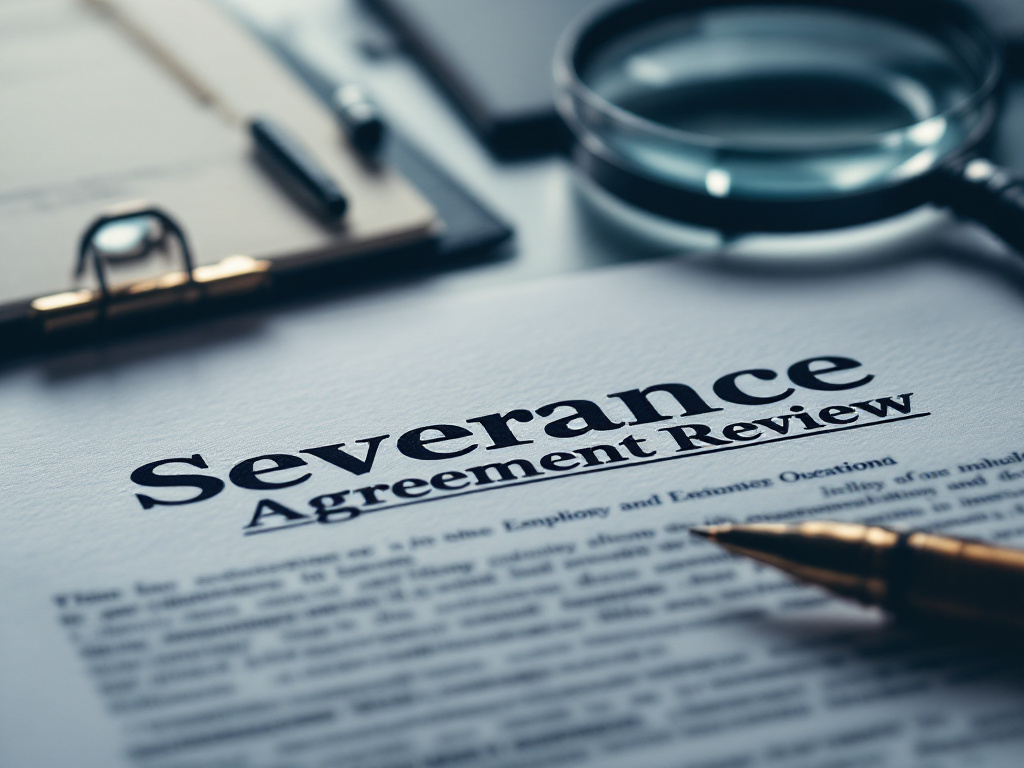
- severance agreement review
- employee handbook legal review
- employment policy legal counsel
- termination legal advice
A focused practice means deeper familiarity with relevant statutes, case law, and administrative procedures.
Track record and cases
Review the attorneys’s case outcomes and verdicts. For instance, whistleblower clients have secured multi-million dollar awards by working with specialized counsel [2]. Ask about:
- Landmark verdicts or settlements in your dispute category
- Success rate in jury trials versus settlements
- Published case studies or client testimonials
A proven track record signals that your lawyer knows how to navigate negotiations and court processes effectively.
Compare fee structures
Understanding how lawyers charge ensures you find a payment plan that fits your budget and risk tolerance.
Contingency vs hourly
Many employment law attorneys offer contingency fees, meaning they collect payment only if you recover compensation. Others bill hourly, which may work if:
- Your case involves injunctive relief rather than monetary damages
- You prefer a predictable scope of work
- You have budgetary constraints for upfront fees
Confirm whether out-of-pocket costs—such as filing fees, expert witness charges, or deposition transcripts—are included or billed separately.
Value-based billing
Some firms provide value-based or flat-fee arrangements for specific services, such as:
- Reviewing an employment contract drafting
- Advising on policy updates under employment law compliance
- Conducting a full HR legal counsel audit
Flat fees can give you cost certainty and align incentives for efficient case handling.
Evaluate service offerings
Beyond fees, consider how your attorney approaches dispute resolution and whether they offer comprehensive support across various formats.
Litigation versus ADR
Employment disputes may proceed through formal litigation or alternative dispute resolution (ADR).
Arbitration advantages
Arbitration offers:
- Faster resolutions, with 76 percent of cases settling before an award in 2024 [3]
- Confidential proceedings, protecting company and personal reputations
- Choice of arbitrators with specialized employment law expertise
Review any arbitration clauses in your contract drafted via tools like AAA’s ClauseBuilder® to ensure fairness and enforceability.
Mediation process
Mediation remains a flexible, low-cost option where a neutral facilitator helps parties negotiate. Benefits include:
- Preserving working relationships through collaborative dialogue
- Tailoring outcomes that meet both parties’ needs
- High settlement rates when both sides commit to good-faith negotiation
Ask if your attorney has experience serving as a mediator or if they partner with accredited neutrals.
In-house counsel partnership
If you represent an employer, integrating outside counsel with your in-house team can streamline responses to policy disputes, compliance audits, and employee grievances. An effective partnership may cover:
- Drafting internal investigation protocols
- Coordinating with HR on disciplinary actions
- Advising on updates to your employee handbook legal review
Seamless integration reduces delays and ensures consistency in applying company policies.
Prepare your documentation
Gathering relevant evidence early strengthens your case and enables your lawyer to assess its merits accurately.
Gather key evidence
Compile materials such as:
- Emails, texts, or chat logs documenting the dispute
- Performance evaluations and disciplinary records
- Company policies, including anti-harassment and leave guidelines
- Witness statements or signed affidavits
Maintaining an organized folder—digital or physical—facilitates efficient review and reduces the risk of missing critical information.
Review policies and contracts
Examine your employment contract, severance agreements, and any post-employment covenants. These documents may contain:
- Noncompete or nondisclosure obligations [4]
- Mandatory arbitration or mediation clauses
- Specific notice requirements for filing claims
Share these with your lawyer so they can identify any procedural hurdles or potential negotiation points.
Understand the process
Familiarizing yourself with each stage of a workplace dispute helps you set realistic expectations and deadlines.
Timeline and stages
Typical phases include:
- Initial consultation and case evaluation
- Evidence gathering and demand letter or administrative filing
- Settlement negotiations or presuit mediation
- Formal complaint filing in court or with an administrative agency
- Discovery, depositions, and expert disclosures
- Pretrial motions, trial, or binding arbitration
- Post-trial motions or enforcement of the award
Your lawyer should outline estimated timeframes and milestones tailored to your jurisdiction.
Possible outcomes
Dispute resolution can conclude in multiple ways:
- Settlement agreement with monetary compensation and non-monetary terms
- Court judgment or arbitration award, enforceable through courts
- Dismissal or withdrawal if claims lack legal basis
- Agreed policy changes or corrective actions within your organization
Understanding these scenarios lets you weigh the costs, risks, and benefits of pursuing each option.
Ask key questions
During consultations, probing the right questions ensures you find a lawyer who meets your needs and works in your preferred style. Consider asking:
- How many cases like mine have you handled, and what were the results?
- What is your communication style and typical response time?
- Who will handle the day-to-day work: you, a partner, or associates?
- How do you handle out-of-pocket costs and advance payments?
- What is your preferred strategy: aggressive litigation or negotiated settlement?
- Can you share references or testimonials from past clients?
Well-informed questions help you gauge competence, transparency, and cultural fit.
Make your decision
After vetting candidates, compare your notes on expertise, fee structures, and chemistry. Trust your instincts—clear communication and mutual respect often predict a productive working relationship. Once you select your workplace dispute lawyer:
- Sign an engagement letter outlining scope and fees
- Provide full access to your documentation
- Agree on regular check-ins and progress updates
With the right counsel at your side, you can navigate workplace disputes with confidence, safeguard your rights, and pursue a resolution that aligns with your goals.
References
- (Pollack Peacebuilding)
- (The Employment Law Group)
- (ADR.org)
- (noncompete agreement legal)