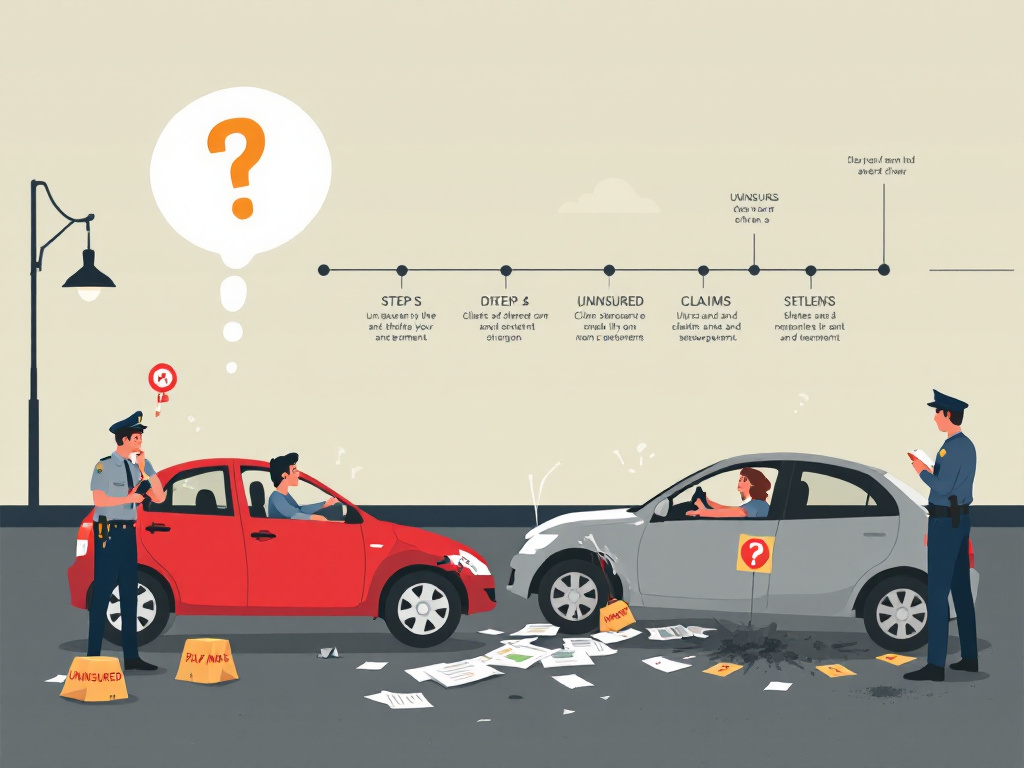
When you’re involved in a crash and discover what happens if other driver has no insurance, it can feel overwhelming. You may wonder how you’ll cover medical bills, lost wages, and vehicle damage when the at-fault party lacks coverage. This guide walks you through each step—from immediate actions at the scene to legal options and claim strategies—so you can pursue fair compensation with confidence.
Assess immediate steps
Ensure safety and medical care
First, move to a safe location if possible. Call 911 to report the accident and request medical help even if injuries seem minor. Prompt medical attention creates a record of your injuries, which is essential for your claim.
Document the accident
Gather evidence while still at the scene:
- Take photos of vehicle damage, skid marks, traffic signs, and the overall crash site
- Note the other driver’s license plate, make and model
- Collect contact information for witnesses
- Obtain a copy of the police report (learn how to read a police report after an accident)
As a result, you’ll build a solid foundation of facts to support your claim.
Understand uninsured driver law
National uninsured rates
Uninsured motorist incidents are more common than you might think. Different sources estimate:
| Metric | Rate | Source |
|---|---|---|
| US average uninsured drivers (2024) | ~8% | [1] |
| US drivers lacking coverage | ~13% | [2] |
| New York uninsured drivers (2022) | 10.8% | [3] |
State coverage requirements
Coverage mandates vary by state:
- Illinois and New Hampshire require uninsured and underinsured motorist protection
- Massachusetts and South Carolina mandate only uninsured motorist coverage
- In states without a mandate, you can still opt into these protections
Understanding your state’s rules helps you know which benefits you can access.
File UM claim
What is uninsured motorist coverage
Uninsured motorist (UM) coverage steps in when the at-fault driver has no liability insurance. Depending on your policy, it can cover:
- Medical expenses
- Lost wages
- Pain and suffering
- Vehicle repairs or replacement
Claim process overview
To initiate a UM claim:
- Notify your insurer promptly
- Submit documentation of damages and medical records
- Cooperate with adjuster requests
- Negotiate settlement or, if needed, proceed to litigation
For a deeper dive, see our guide to the uninsured motorist claim process.
Consider other options
Sue the at-fault driver
If you lack UM coverage or your policy limits are insufficient, you can file a lawsuit against the other driver. Keep in mind:
- Many uninsured drivers have limited assets
- Enforcement of a judgment can be challenging [1]
Use health or PIP coverage
When UM benefits fall short, explore:
- Health insurance to cover medical bills
- Personal injury protection (PIP) for immediate medical costs and lost wages
Comparing PIP, MedPay, and liability options can clarify your best route [4].
Evaluate damages and compensation
Economic vs non-economic damages
Economic damages reimburse measurable losses like medical expenses and vehicle repair costs. Non-economic damages address pain and suffering, emotional distress, and loss of enjoyment of life.
Factors affecting claim value
Key drivers include:
- Severity of injuries
- Duration of medical treatment
- Impact on your daily activities and income
- Evidence of fault and liability
Estimate your case worth with our tools on how much is my car accident claim worth and refine pain and suffering figures via our pain and suffering car accident calculation.
Comparative negligence and fault
States use various fault systems. In comparative negligence jurisdictions, your compensation reduces by your percentage of fault. Learn more about shared liability in comparative negligence car accident explained.
Navigate timelines
Uninsured motorist claim deadlines
Most insurers require you to file a UM claim within a year of the accident, though this varies by state. Prompt action prevents waiver of your rights [1].
Statute of limitations
Beyond insurance claims, you must file a lawsuit before the statute of limitations expires. Deadlines differ by state—review your timeline in our car accident statute of limitations guide.
Lawsuit duration
If negotiations stall, you may proceed to court. Typical case timelines can range from months to years. See how long does a car accident lawsuit take for more details.
Secure legal support
When to hire an attorney
Consider legal representation if:
- Your injuries are serious or long-term
- You face aggressive insurer tactics
- Fault is disputed or complex
- You lack UM coverage or face high stakes
Explore why you might need a lawyer after a car accident.
Working with your legal team
An experienced attorney can:
- Collect and preserve evidence
- Obtain medical records and expert testimony [5]
- Handle negotiations and court filings
- Maximize your recovery through demand letters and strategic settlement talks [6]
Next steps checklist
- [ ] Seek medical attention and follow treatment plans
- [ ] Report accident to police and request report
- [ ] Alert your insurer and file a UM claim
- [ ] Document all expenses, bills, and correspondence
- [ ] Gather evidence: photos, witness statements, medical records
- [ ] Consult a personal injury attorney for a free case review
By following these steps and understanding your options after a crash with an uninsured driver, you can pursue the compensation you deserve. If you have questions about your claim or need guidance, contact us today for a free consultation.