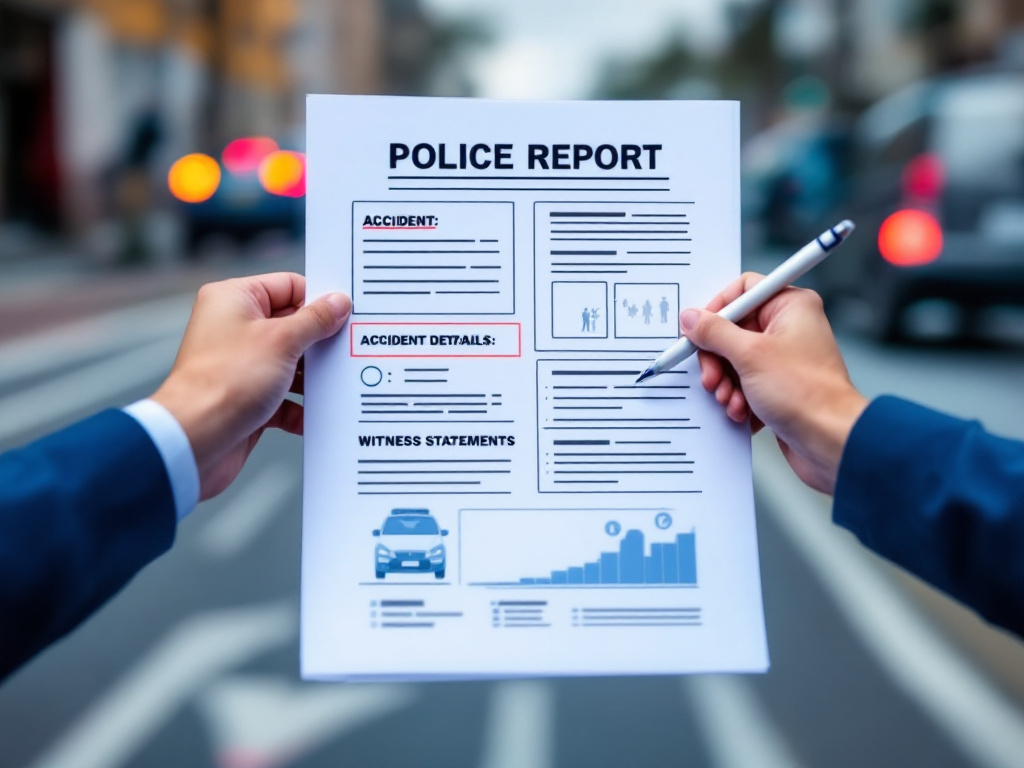
Reading a police report after an accident doesn’t have to be overwhelming. In this guide, you’ll learn how to read a police report after an accident without stress by breaking down each section step by step. You’ll discover where to find dates, location details, involved parties, diagrams, and officer narratives, and how to use this information to support your insurance or legal claim.
Police accident reports, sometimes called collision reports or crash reports, serve as official records that establish fault and liability, assist in insurance filings, and provide evidence in personal injury claims [1]. Understanding the structure and content of these documents is crucial if you want to protect your rights after a motor vehicle accident.
In this article, you’ll learn:
- How to obtain your official crash report
- How to interpret key sections and diagrams
- How to identify fault indicators
- How to spot and correct errors
- How to leverage the report in insurance and legal claims
- What steps to take next
Gather your report
Obtain official copy
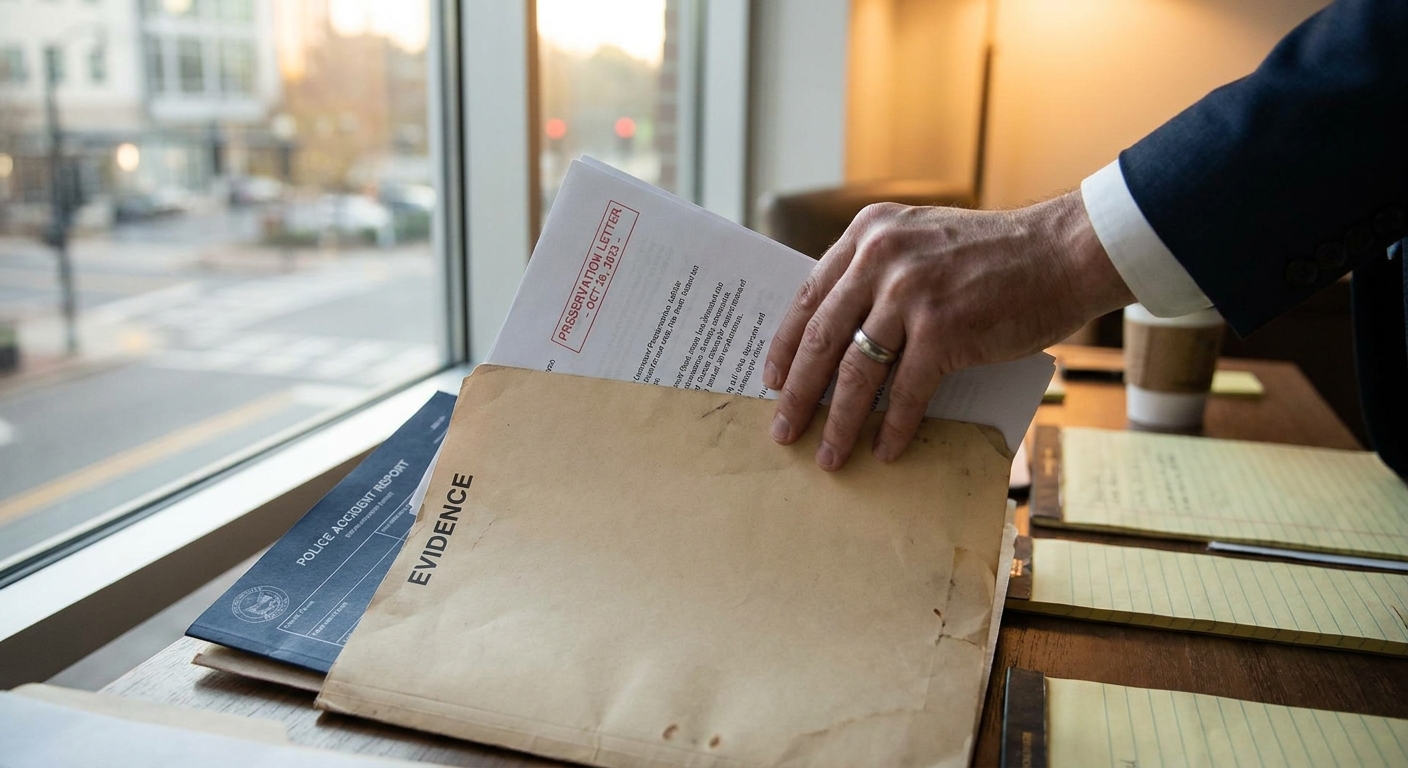
Start by requesting a certified copy of the accident report from the law enforcement agency that responded to your crash. Many departments offer online portals— for example, most reports from the Oshkosh Police Department are available at the “Online Oshkosh PD Accident Reports” link on their website [2]. If it’s not online, you can contact the Records Division by email, phone, or fax.
Confirm report details
Before you dive into the content, verify that the report matches your crash:
- Date and time of collision
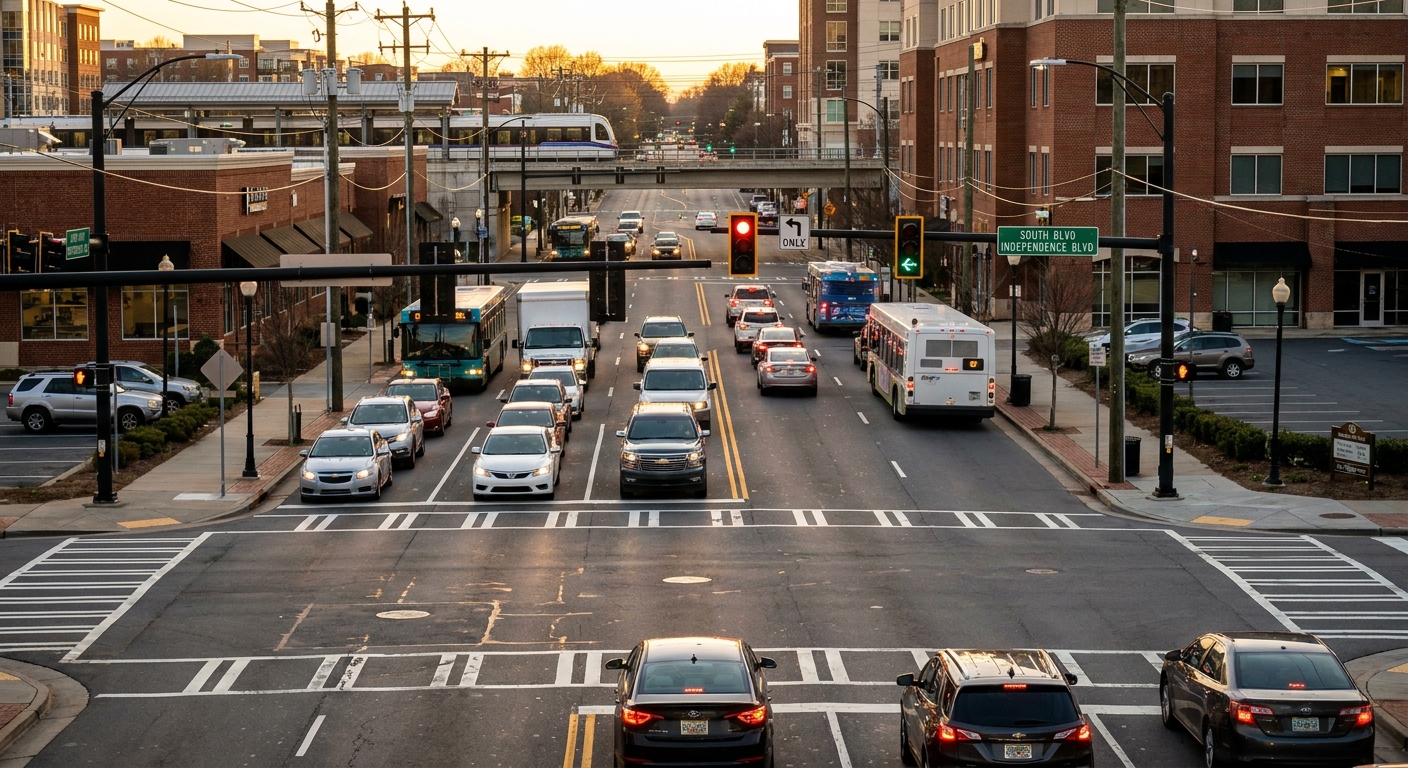
- Exact location (street names, intersections)
- Report or case number
- Names of responding officers
Ensuring these basics line up with your memory and insurance documentation sets a solid foundation for your review.
Understand report layout
Most police reports follow a similar structure, though specific forms vary by jurisdiction. The table below summarizes the common sections you’ll see:
| Section | Typical location | What to check |
|---|---|---|
| Accident overview | First pages | Date, time, weather, road conditions |
| Involved parties | Early section | Drivers, passengers, pedestrians, witnesses |
| Vehicle and property damage | Next pages | Description of damage, owner names |
| Injury details | Following pages | Injuries, extent, hospital treatment |
| Diagram and codes | Mid-report | Factual sketch, symbols, coded details |
| Officer narrative | Narrative section | Factual statements vs officer opinions |
Accident overview section
This summary provides high-level information about the crash, including parties involved and a brief description of what happened. In a Chicago report, for example, the overview helps you understand who is to blame by noting events and damages [3].
Involved parties section
Here you’ll find detailed data on drivers, passengers, witnesses, and pedestrians:
- Full names and contact info
- Vehicle makes, models, and license plates
- Insurance information
Cross-check this against your notes and photos from the scene.
Diagram and codes section
A factual sketch shows how vehicles moved and collided. Look for:
- Arrows indicating direction of travel
- Shapes representing vehicles and obstacles
- Coded entries (e.g., “T” for tow‐away)
Decoding these symbols and abbreviations is key to visualizing the crash site [1].
Evaluate damage and injuries
Property damage page
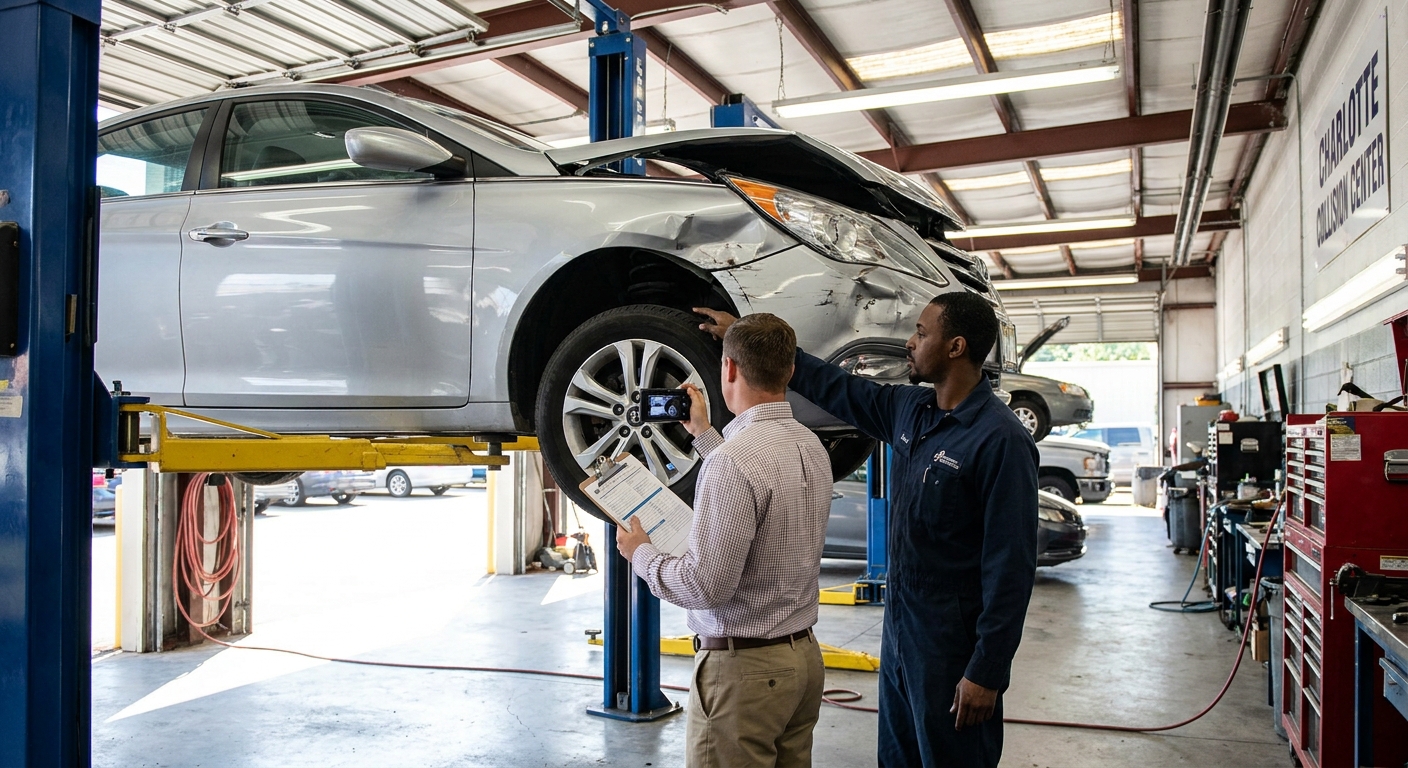
Typically on the second page of a California CHP 555 report, you’ll see owner details and descriptions of vehicle and property damage (dents, broken glass) [4]. Note any discrepancies between this and your photos or repair estimates.
Injury details page
On page three, officers list injuries, treatment locations, and witness statements. Verify:
- Names of injured parties
- Description and extent of injuries
- Hospital or medical facility information
Accurate injury documentation strengthens your case for compensation.
Interpret officer narrative
The narrative section combines factual observations with officer conclusions. As you read:
- Highlight objective details (skid marks, weather conditions)
- Note opinion statements (fault determinations)
- Separate facts from conclusions to avoid confusion
Officer interpretations can influence fault assessment, so understanding this balance is critical.
Determine fault and liability
Fault indicators in report
Fault may be implied by phrases like “Unit 1 failed to yield” or by labeling a vehicle as “at fault.” In Illinois reports, the vehicle designated “Unit 1” is generally presumed responsible [1].
Compare with your evidence
Match report findings against your photos, dashcam footage, and witness accounts. If you need guidance on proving fault, see how to prove fault in a car accident and understand comparative negligence car accident explained.
Spot inaccuracies and errors
Common mistakes
Police reports can contain errors, such as:
- Misspelled names or incorrect addresses
- Wrong vehicle information
- Inaccurate time or location entries
Request corrections
If you find mistakes, contact the records division of the issuing agency. Provide supporting evidence—photos, witness statements, or your own notes—to request an official amendment. Be mindful of deadlines; check your state’s car accident statute of limitations to ensure timely corrections.
Use report for claim
Support insurance claims
Attach the police report to your insurance submission. Insurers rely on these reports during the car accident claim process explained to verify facts and determine liability.
Aid legal consultation
Share your report with an attorney to evaluate legal options. If you’re weighing representation, learn about do i need a lawyer after a car accident and gather all documentation for your consultation. For a broader overview of what happens after an accident, review our North Carolina personal injury handbook.
Plan next steps
Track claim timelines
Knowing how long a lawsuit or settlement might take helps you plan. Review how long does a car accident lawsuit take to set realistic expectations for your case.
Seek professional guidance
If you’re unsure about injury calculations or future expenses, an attorney can help. For instance, you might discuss pain and suffering car accident calculation or strategies for negotiating with insurers.
Reading your police accident report methodically ensures you capture every detail, protect your rights, and streamline your claim or legal process. Armed with this knowledge, you can move forward confidently and focus on recovery rather than paperwork. If you need further assistance interpreting your report, consider reaching out to a qualified personal injury attorney for a free case review.