
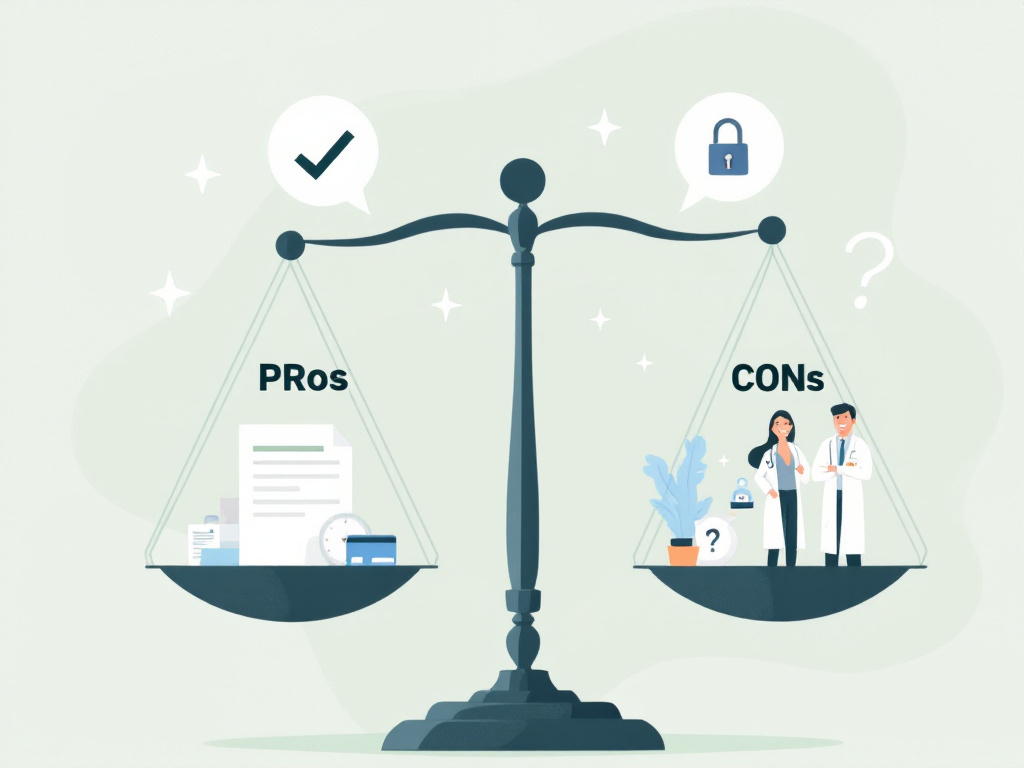
When you pursue a personal injury claim after a motor vehicle accident, you’ll likely face requests for your health information. Sharing medical records can speed up your claim, verify injury severity, and support your compensation. At the same time, you may expose private details, enable insurers to downplay damages, or trigger delays. This overview of releasing medical records to insurance pros and cons will help you decide what to share when you file a claim, so you can protect your privacy and maximize recovery.
Reasons for record requests
Insurance companies and adjusters rely on your medical history to evaluate the legitimacy and value of your claim. Understanding why they ask for records clarifies your next steps.
Validating your injuries
Insurers need documentation that links your reported symptoms to medical diagnosis and treatment. Common items include:
- Treatment history and doctor’s notes
- Diagnostic tests (X-rays, MRIs, CT scans)
- Prescribed therapies or medications
- Records from emergency rooms or urgent care
By reviewing these documents, adjusters confirm that your injuries match the collision details and determine appropriate compensation for medical bills and future care [1].
Supporting compensation calculations
Beyond verifying injuries, insurers use medical records to calculate:
- Past and future medical expenses
- Lost wages and diminished earning capacity
- Pain and suffering and non-economic damages
Accurate records reduce disputes over treatment necessity and costs, helping you get closer to a fair settlement. For an in-depth look at how damages are determined, see our guide on how much is my car accident claim worth.
Legal requirements overview
You have rights and protections under federal and state laws when insurers request your records. Knowing the rules lets you respond appropriately and on time.
HIPAA and privacy protections
The Health Insurance Portability and Accountability Act (HIPAA) Privacy Rule governs sharing your protected health information (PHI). Key points include:
- You must sign a written authorization waiving privacy protections before non-public entities can access PHI
- Covered entities have 30 days to respond to valid written requests, with a possible 30-day extension [2]
- You can request amendments, disclosures and an accounting of disclosures for your record
- Use or disclosure of PHI without your authorization is limited to treatment, payment and health care operations
For more on your rights under HIPAA, refer to the HHS guidance on the Privacy Rule.
Subpoenas versus court orders
In some cases, adjusters or defense attorneys may serve subpoenas for your records. Keep in mind:
- A subpoena alone often cannot compel disclosure of PHI without your written authorization
- If no release is on file, health care providers typically contact you to obtain one
- A court order issued after a judge’s motion is more powerful and generally requires compliance within a specified timeframe to avoid contempt [2]
If you receive a subpoena, inform your attorney immediately. They can challenge overly broad demands and protect unnecessary disclosures.
Assess risks and rewards
Weighing the advantages and drawbacks of sharing medical records helps you make informed choices. Below are the primary benefits and potential pitfalls.
Benefits of sharing records
- Speeds up the claims process by providing clear evidence
- Strengthens your injury and treatment narrative
- Supports higher compensation for medical bills and future care
- Demonstrates consistency and credibility to adjusters and juries
- May encourage insurers to settle sooner, avoiding lengthy litigation
Drawbacks of sharing records
- Reveals sensitive information unrelated to your accident
- Allows insurers to identify pre-existing conditions and argue they caused your symptoms
- Opens the door to adjuster tactics aimed at downplaying your injuries or suggesting unnecessary treatments
- Could enable insurers or defense counsel to delay processing while reviewing extensive records
Pros and cons at a glance
| Pros | Cons |
|---|---|
| Faster claim evaluation | Privacy concerns over unrelated medical history |
| Clear evidence of injuries | Risk of downplaying or disputing treatment necessity |
| Stronger compensation arguments | Potential for prolonged review and delays |
| Encourages early settlement | Increased exposure to invasive exam requests |
| Bolsters credibility with evidence | Extra legal complexity if records are overbroad |
This table highlights the trade-offs you face when deciding which records to release.
Limit records strategically
Rather than providing your complete medical history, focus on sharing documents directly related to your accident and injuries.
Share only accident-related documents
Limit disclosure to records that:
- Document treatment received after the crash date
- Relate to injuries caused by the collision
- Support proposed future care and expenses
Withholding unrelated records protects your privacy and prevents adjusters from arguing that pre-existing conditions caused your symptoms [3].
Use targeted release waivers
When signing an authorization form:
- Specify dates, providers and record types covered by the release
- Exclude mental health or unrelated specialty care, when possible
- Ask for a limited authorization rather than a blanket release
This approach narrows your risk while still meeting insurer requirements.
Request cost reimbursement
Having insurers pay for record retrieval saves you time and money:
- Ask the insurance company to cover copying and mailing fees
- Refer to state law allowances for reasonable costs per page
- Confirm any fees in writing before authorizing disclosure
By handling costs up front, you avoid unexpected bills.
Consult a car accident lawyer
A qualified attorney guides you through record requests and ensures your interests come first.
Navigating adjuster tactics
Your lawyer can:
- Review authorization forms and limit overbroad language
- Challenge subpoenas that seek irrelevant information
- Advise when to refuse intrusive independent medical exams (IME) without legal counsel [3]
- Negotiate with adjusters to prevent unnecessary records demands
If you’re asking “do I need a lawyer after a car accident,” partner with an attorney early to avoid pitfalls and protect your claim.
Free case review and demand letters
Most personal injury firms offer free case evaluations. During a review, your attorney will:
- Assess record requests and any relevant deadlines
- Outline the optimal scope of disclosures
- Prepare a tailored demand letter addressing medical costs, lost wages and non-economic damages [4]
- Develop a strategy for settlement negotiations or litigation
A well-crafted demand letter sets the stage for stronger recovery.
Plan next steps
Once you decide how much to share, stay organized and proactive to support your claim.
Document ongoing treatment
Maintain thorough records for each appointment:
- Date and provider name
- Treatment details and recommended follow-up
- Out-of-pocket expenses and billing statements
Consistent documentation builds your case and discourages adjusters from claiming treatment gaps [5].
Track related expenses
In addition to medical bills, record:
- Lost wages and missed work days
- Rehabilitation or therapy costs
- Transportation and mileage for medical visits
- Pain tracking in a journal to support non-economic damages [6]
Comprehensive expense records strengthen your compensation request.
Know your claim timeline
Personal injury claims and lawsuits follow specific deadlines:
- Statute of limitations sets the filing deadline for lawsuits [7]
- Typical settlement negotiations can span weeks to months
- Litigation and trial may extend the process by a year or more [8]
Understanding these timelines helps you manage expectations and plan accordingly.
Next steps after a crash
Taking the right actions early improves your chances of a fair outcome.
- Seek prompt medical attention, even for minor symptoms [9]
- Report the accident to law enforcement and your insurer
- Preserve evidence such as photos, witness contacts and police reports [10]
- Consult a personal injury attorney for guidance on records and negotiation
By following these steps, you’ll be well-prepared to handle record requests and pursue the full compensation you deserve.
Releasing your medical records involves balancing transparency with privacy. By understanding the pros and cons, limiting disclosures to relevant information, and working closely with a car accident lawyer, you can protect your rights and maximize your recovery. If you have questions about record requests or need help evaluating your case, schedule a free case review today.
References
- (The Lawrence Firm)
- (PMC)
- (Rutter Mills)
- (car accident demand letter example)
- (gap in treatment effect on injury claim)
- (pain journal for car accident evidence)
- (car accident statute of limitations)
- (how long does a car accident lawsuit take)
- (should i go to urgent care after car accident)
- (how to read a police report after an accident)