Understand total loss eligibility
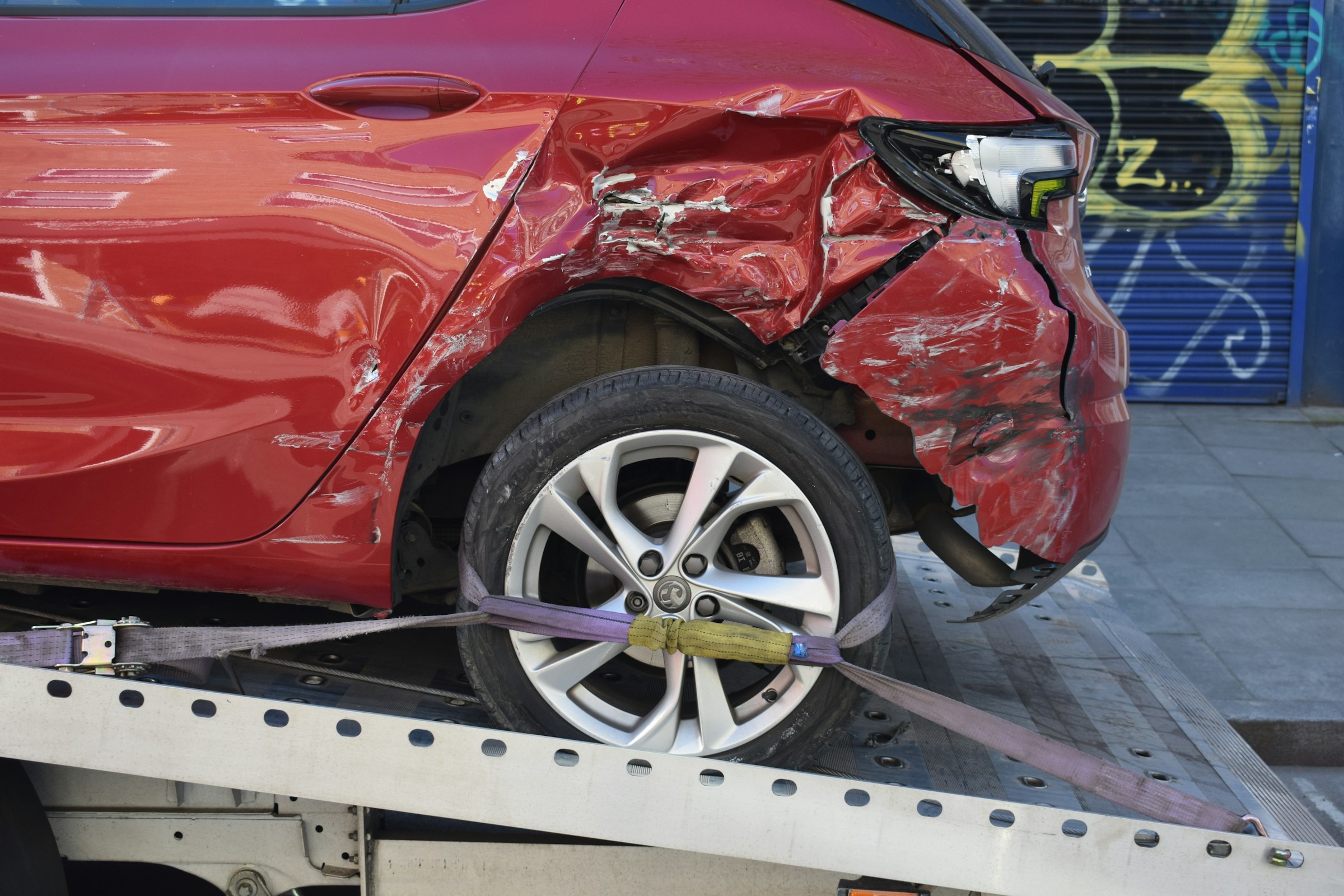
When your vehicle suffers extensive damage, the insurer may declare it a total loss rather than authorize repairs. Navigating the total loss car payout process like a pro means understanding both state rules and insurer criteria for declaring a vehicle beyond economical repair. By knowing how thresholds and formulas work, you can set realistic expectations and avoid surprises.
State thresholds and formulas
Each state sets its own standard for when a car is deemed a total loss. In many jurisdictions, repair estimates must exceed a percentage of the actual cash value (ACV) before the insurance company totals the vehicle.
| State | Threshold definition |
|---|---|
| Alabama | Repairs ≥ 75 percent of ACV or costs over $7,500 on a $10,000 vehicle [1] |
| Kansas | Repairs ≥ 75 percent of ACV [2] |
| Missouri | Repairs ≥ 80 percent of ACV [2] |
| Illinois | Repair cost + salvage value > pre-accident market value [3] |
Insurance company criteria
Beyond state requirements, insurers may apply stricter internal guidelines. Some carriers declare a total loss even when repair costs fall below the state threshold, anticipating hidden damage once your car is disassembled. Factors that insurers consider include:
- Estimated supplemental damage after disassembly
- Cost of specialized parts or labor
- Potential delays in obtaining repair authorizations
Understanding both state law and your carrier’s policy helps you prepare for the adjuster’s decision and timing.
Calculate your payout
Once your vehicle is declared a total loss, the next step is figuring out how the insurer arrives at the settlement amount. Your goal is to verify that the actual cash value (ACV) is fair and includes all factors affecting your car’s worth.
Determining actual cash value
Insurers typically calculate ACV by reviewing:
- Local market listings for comparable makes, models, years and mileage
- Guides like Kelley Blue Book or NADA value
- Recent private sale prices in your area
They then adjust for your car’s condition, options, mileage and depreciation. If your vehicle had recent maintenance or nonstandard upgrades, be prepared to document these with receipts and photos.
Accounting for depreciation and mileage
Depreciation is the single largest factor reducing ACV. High mileage, age and wear lower market value. While you cannot avoid standard depreciation, you can:
- Submit maintenance records showing timely service
- Highlight upgrades such as new tires or a premium audio system
- Provide evidence of excellent interior and exterior condition
Including add-ons and upgrades
If you installed accessories or performance parts, do not assume the insurer will automatically include their value. Create a list of upgrades with purchase dates and costs. This documentation can justify a higher payout.
Manage the claim timeline
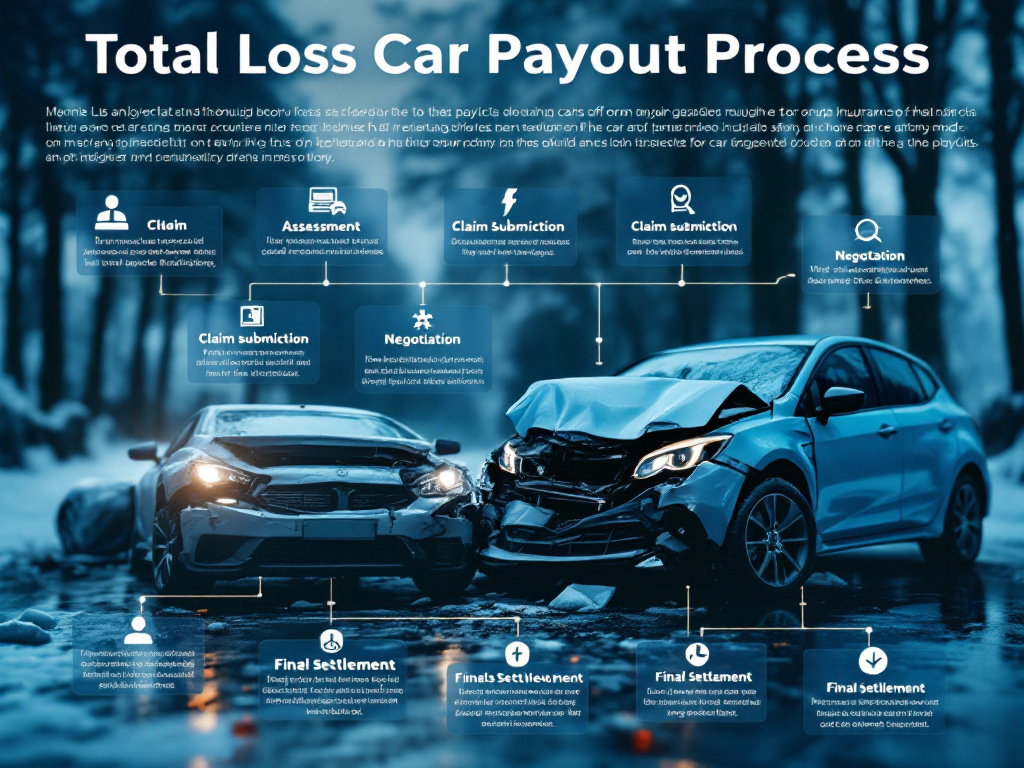
Timeliness is crucial after a total loss declaration. A clear understanding of each phase helps you plan for transportation, settlement and replacement.
Initial inspection and declaration
After you report the accident, an adjuster will inspect your vehicle. In straightforward cases, insurers may declare a total loss on the spot or within a few days. According to Experian, simple claims can process in about 10 business days, while complex cases may take 30 days or longer [4].
Receiving the settlement offer
Once declared a total loss, you should receive an offer based on ACV minus your deductible. Review it carefully and compare it to independent valuations.
Payment and title transfer
After accepting the offer:
- You sign a settlement agreement
- You transfer the vehicle title to the insurer
- The insurer issues your check
Processing time varies by state. For example, California insurers must accept or deny within 40 days, while Texas carriers have 35 days, subject to extensions for investigation [4].
For a broader overview of how claims work, see our guide to car accident claim process explained.
Negotiate settlement value
Insurers sometimes present “lowball” offers. You have the right to dispute their valuation and seek a fairer payout.
Disputing a lowball offer
If you believe the initial settlement is too low, you can:
- Submit a detailed counteroffer with supporting documentation
- Hire a private appraiser whose estimate can back your claim
- Provide listings of comparable vehicles for sale
Using a private appraisal
A certified appraiser can issue an independent valuation. Insurers often accept third-party appraisals as part of negotiations, giving you leverage to secure a higher payout.
Gathering comparable listings
Collect ads for similar cars in your region that reflect condition, mileage and options. Present printed or digital listings to illustrate local market value.
For tips on improving your negotiation skills, consult our article on how to negotiate with an insurance adjuster car accident.
Consider gap and rental coverage
Understanding your policy’s additional benefits can prevent unexpected out-of-pocket costs while you wait for a payout.
Gap insurance role
If you owe more on your loan or lease than your car’s ACV, gap coverage pays the difference minus any deductible. Without gap insurance, you remain responsible for the shortfall.
Rental car reimbursement
Many drivers assume repair reimbursement ends when the rental period expires. If you have rental coverage, your insurer pays for a temporary vehicle based on policy limits. To confirm your benefits, check your policy or review rental car after accident who pays.
Handle salvage and retention
After you receive a payout, you face a decision: keep the salvaged vehicle or transfer it to the insurer.
Buyback options
Some insurers let you buy back the salvage title car at its salvage value. If you choose buyback:
- You pay the salvage‐value reduction from your payout
- You assume responsibility for future repairs and safety inspections
Salvage title impact on resale
Vehicles with salvage titles typically sell for 20 to 40 percent less than comparable clean-title cars. If you plan to repair and resell, factor in diminished value and additional costs. For more, see diminished value claim after car accident.
Prepare for next steps
With your total loss settled, focus on replacing your vehicle and, if needed, pursuing additional injury compensation.
Replacement vehicle options
Shop local dealerships or private sellers. Compare features, financing terms and warranty coverage. Use your settlement as a down payment to reduce financial strain.
Legal considerations and next claims
If you suffered injuries or property damage beyond the totaled car, you may pursue further claims. Evaluate medical expenses, lost wages and pain and suffering. Our articles on who pays medical bills after a car accident and pain and suffering car accident calculation can help you understand next steps.
When to consult an attorney
If you encounter a denied claim, dispute liability or face a complex settlement, you might ask: do i need a lawyer after a car accident. An experienced attorney can guide you through fault determination, comparative negligence issues and timeline considerations.
Take proactive action
By mastering each phase of the total loss process, you protect your financial interests and minimize delays. Document repairs and valuations, stay on top of deadlines and negotiate assertively. If you have questions about your rights or need personalized guidance, contact us today for a free case review.