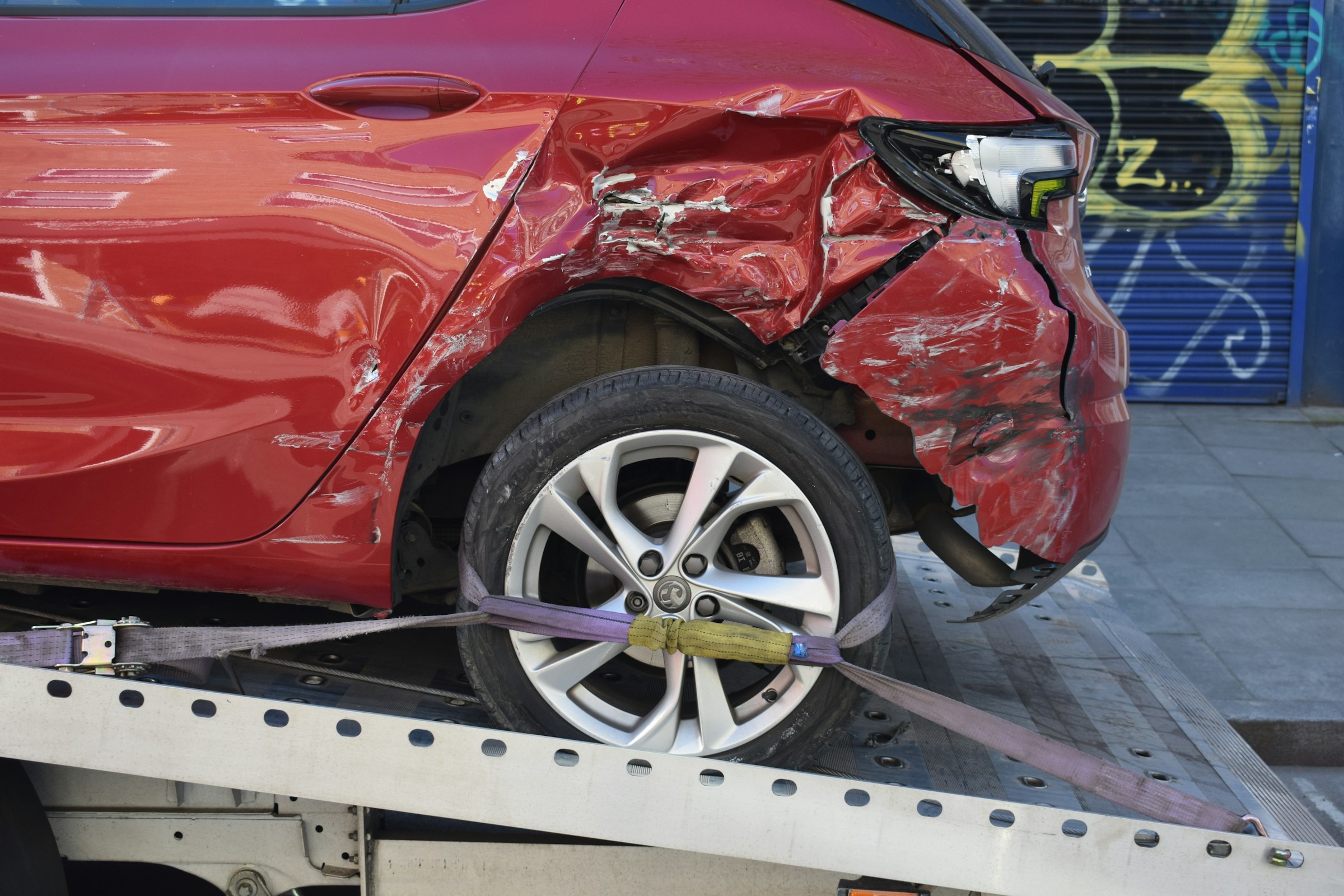

If you’ve been injured in a collision, you may be asking yourself who pays medical bills after a car accident and how to avoid getting stuck with unexpected costs. Knowing which insurance policies apply, how state rules affect your claim, and when to involve legal help will keep you focused on healing rather than paperwork. Here’s a clear, step-by-step guide to covering your post-crash medical expenses.
Auto and health insurers
When you seek treatment for crash-related injuries, medical providers will ask for both your health and auto insurance information. Understanding how these coverages work together—and when each one pays—can help you avoid delays and surprises.
Auto insurance coverages
-
Liability coverage
In at-fault states, the other driver’s liability insurance is responsible for your medical bills up to their policy limits. If they caused the crash, file a claim with their insurer once fault is established [1]. -
Medical payments (MedPay) and personal injury protection (PIP)
MedPay (offered in many states) and PIP (required in no-fault states) pay your medical costs regardless of fault. These first-party benefits cover ambulance rides, emergency room visits and follow-up care up to policy limits. -
Uninsured/underinsured motorist coverage (UM/UIM)
If the at-fault driver lacks adequate coverage, UM/UIM steps in. In Texas, for example, UM/UIM is mandatory unless rejected in writing and can cover medical bills, lost wages and pain and suffering for policyholders and family members [2]. -
Adjuster review process
Once you file a claim, the insurance adjuster reviews medical records and bills. They may request additional information before fully or partially reimbursing the appropriate party or denying the claim. Starting a claim promptly helps speed up payment [3].
Health insurance role
-
Secondary payer status
If PIP or MedPay covers your injury costs, health insurance may cover any remaining bills. Conversely, if you exhaust auto coverage first, your health plan can step in to prevent lapses in care. -
Out-of-pocket expenses
Expect to pay deductibles, copays and any services your health plan does not cover. Keeping detailed records of these expenses can improve your settlement later [4]. -
Subrogation rights
Federal and state laws allow health insurers to seek reimbursement from any settlement or verdict you receive for medical bills they paid on your behalf [5].
State rules and coverage
Each state sets its own rules for auto insurance, primary payers and timelines. Below is an overview of key jurisdictions and how medical bills get paid after a crash.
At-fault states
In fault-based systems, the at-fault driver’s insurer pays your medical costs up to their policy limits. If bills exceed those limits, you turn to secondary coverages or personal lawsuits.
California
- Minimum liability: 15/30/5 ($15,000 per person for bodily injury, $30,000 per accident, $5,000 property damage)
- Insurers must offer uninsured/underinsured motorist coverage (optional to purchase) [6]
- You have two years to file a personal injury lawsuit (three years for property damage) [7]
Texas
- Modified comparative fault: recover damages if you bear 50% or less of fault [8]
- UM/UIM required unless rejected in writing; stacking allowed but UM/UIM is offset by PIP/MedPay payments [2]
- At-fault driver’s BI liability covers past and future medical expenses and lost wages
Wisconsin
- Fault-based system: at-fault party and insurer pay medical bills, lost wages and other losses
- Mandatory liability coverage; optional UM/UIM and MedPay to cover your own bills regardless of fault [9]
- Most cases settle through negotiations; attorneys help secure fair compensation
No-fault states
In no-fault jurisdictions, your own auto policy pays medical bills regardless of who caused the crash—up to PIP limits—before you can sue the other driver.
Florida
- Primary PIP coverage pays 80% of reasonable medical expenses up to $10,000 [10]
- Optional medical payments (supplemental PIP) covers remaining 20%
- Once bills exceed PIP, turn to liability coverage or sue if you meet injury thresholds
Other notable rules
Illinois
- Health insurance covers ER and follow-up care; you remain responsible for deductibles and non-covered services [5]
- UM/UIM and MedPay are available on auto policies
A table comparing these five states can help you see differences at a glance:
| State | System | Primary payer | PIP/MedPay limit | UM/UIM required | Statute of limitations |
|---|---|---|---|---|---|
| California | At-fault | At-fault insurer | MedPay optional | Optional | 2 yrs PI, 3 yrs PD |
| Texas | At-fault | At-fault insurer | PIP/MedPay optional | Mandatory | 2 yrs (PI & PD) |
| Wisconsin | At-fault | At-fault insurer | MedPay optional | Optional | 3 yrs (PI & PD) |
| Illinois | At-fault | Health & auto | MedPay optional | Optional | 2 yrs PI, 5 yrs PD |
| Florida | No-fault | PIP (80% up to $10k) | $10,000 PIP | Optional | 4 yrs (PI & PD) |
Filing claims and reimbursement
Navigating claims can feel daunting. Following these steps ensures bills get paid promptly and you maintain supporting documentation.
Starting an auto claim
- Contact your insurer and the at-fault driver’s insurer as soon as possible
- Provide police report, photos and witness info [11]
- Forward all medical bills and records to the insurance adjuster [3]
- Track claim status and respond quickly to adjuster requests
- Review settlement offers carefully before signing
For a full walkthrough, see car accident claim process explained.
Billing your health plan
- Submit medical bills to your health insurer if auto benefits fall short
- Pay deductibles and copays as required
- Ask providers to bill your auto carrier first if PIP or MedPay applies
- Keep an itemized list of out-of-pocket expenses—these can add value to your settlement [4]
Learn more at using health insurance after a car accident.
Subrogation and reimbursements
After you settle with an auto insurer or win a judgment, your health plan and any government programs (e.g., Medicare, Medicaid) will demand reimbursement for bills they covered. This right of recovery is called subrogation or lien rights.
- Expect a reimbursement demand letter
- Reserve part of your settlement to cover liens
- Negotiate lien amounts when possible
- If you fail to repay, your plan may reduce future benefits
See medical lien after car accident explained for details on managing provider and insurer liens.
Managing gaps and legal help
No coverage or low policy limits can leave you with unpaid bills. Knowing your options can prevent financial strain.
When coverage falls short
- If the at-fault driver has no insurance, file a UM/UIM claim [12]
- In no-fault states, sue the at-fault driver once PIP is exhausted and you meet the threshold
- When comparative fault reduces your award, your recovery drops proportionally [8]
- Out-of-pocket costs may be recoverable if you later prove liability
Negotiating with adjusters
Insurance companies often start with low settlement offers. You can:
- Document all medical expenses and future treatment needs [13]
- Use demand letters with detailed injury summaries [14]
- Resist recorded statements until you understand the process [15]
- Consult an attorney for negotiation tactics [16]
When to get legal help
Consider hiring a car accident lawyer if:
- Coverage gaps jeopardize your recovery
- Insurers delay payments or act in bad faith
- You face complex issues like underinsured drivers, serious injuries or disputed fault
- You need guidance on whether to file a lawsuit [17]
Post-crash action plan
Use this checklist to stay organized and protect your rights:
- Seek medical care immediately
- Notify both auto insurers and start your claim
- Get copies of medical bills and records
- Submit bills to PIP/MedPay first, then health insurance
- Track deductibles, copays and out-of-pocket costs
- Preserve evidence: photos, police reports, witness contacts
- Consult an attorney if coverage is insufficient
- Reserve funds for subrogation liens
- Keep a pain journal to document ongoing injuries [18]
- Monitor filing deadlines [7]
By following these steps, you’ll have a structured approach to handling medical bills, insurance claims and potential legal action. If questions remain or your bills aren’t getting paid, reach out for a free case review to explore all avenues for fair compensation.
References
- (how to prove fault in a car accident)
- (Kishinevsky Law Firm PLLC)
- (Progressive)
- (gap in treatment effect on injury claim)
- (Rosenfeld Injury Lawyers)
- (Cutter Law)
- (car accident statute of limitations)
- (comparative negligence car accident explained)
- (LawtonCates)
- (Keith Taylor Law)
- (how to read a police report after an accident)
- (uninsured motorist claim process)
- (future medical expenses in car accident claims)
- (car-accident-demand-letter-example)
- (recorded statement to insurance should i give one)
- (how to negotiate with an insurance adjuster car accident)
- (do i need a lawyer after a car accident)
- (pain journal for car accident evidence)