NEVADA WRONGFUL DEATH

Nevada Wrongful Death Lawyers

Nevada gives heirs and the estate distinct roles in a wrongful-death claim.

Nevada wrongful-death cases require more than proving how a fatal event happened. The case also has to identify the heirs and personal-representative roles, preserve the underlying liability evidence, and build separate records for the heirs’ losses and the estate’s recoverable damages.
Nevada-licensed attorney
Heir, estate, and liability issues coordinated
Las Vegas and statewide Nevada guidance
NEVADA RULE

Nevada allows heirs and the personal representative to maintain wrongful-death actions

NRS 41.085 provides that the decedent’s heirs and the decedent’s personal representative may each maintain an action when a death is caused by another person’s wrongful act or neglect. NRS 11.190(4)(e) generally provides a two-year limitations period for an action seeking damages for the death of a person caused by another’s wrongful act or neglect.
WHY NEVADA MATTERS

Nevada wrongful-death claims separate heir damages from the estate’s recoverable losses.

Nevada’s wrongful-death statute gives heirs and the personal representative distinct roles in the claim. The heirs may prove their own statutory damages, while the personal representative may pursue specified losses on behalf of the estate. The liability evidence from the underlying event still has to be preserved and proved, and the two-year limitations framework should be calculated early from the actual facts.
UNDERLYING CLAIMS THAT MAY LEAD TO WRONGFUL DEATH
  • Fatal motor-vehicle and motorcycle crashes
  • Fatal truck or commercial-vehicle crashes requiring company or carrier evidence
  • Other negligence matters involving property, products, public entities, or other responsible parties
The underlying service page can help identify the liability evidence while this page focuses on Nevada’s wrongful-death plaintiff structure, heir and estate damages, and deadline framework.
WHO MAY BE RESPONSIBLE

Start with the underlying wrongful act, neglect, or default

Nevada wrongful-death liability still depends on the wrongful act or neglect that caused the death. The responsible parties therefore depend on the underlying event, and comparative negligence under NRS 41.141 can also affect a death claim when fault is disputed.
VEHICLE CASES

Driver, carrier, employer, or vehicle owner

Driving fault, work relationships, ownership, fleet operations, trucking regulations, maintenance, or another business relationship may matter in fatal crash cases.
PROPERTY / PRODUCTS

Property owner, contractor, manufacturer, or other entity

Dangerous premises, defective products, construction/maintenance, security, or another negligent act may create a different liability theory and evidence plan.
SPECIAL DEFENDANTS

Public entity or another legally protected defendant

Governmental or other special defendants can involve different forums, immunity issues, notices, or deadlines. Identify those relationships early rather than assume ordinary civil procedure applies.
EVIDENCE TO PRESERVE

Preserve both the liability case and the life record

A wrongful-death claim needs evidence of how the death occurred and evidence of the decedent’s life, contributions, relationships, income, services, care, companionship, and other statutory damages. Those two records should be built together rather than waiting until liability is resolved.
  • Underlying incident evidence: crash, vehicle, business, property, product, or other records
  • Medical, EMS, hospital, and treatment records tied to the fatal injury
  • Death certificate, autopsy/medical-examiner materials, and investigative records where applicable
  • Employment, tax, earnings, benefits, and household-contribution records
  • Documents and witnesses showing services, care, assistance, guidance, companionship, and family relationships
  • Funeral and burial records
  • Insurance policies, liens, subrogation interests, and estate records
NEVADA RECORD SOURCES
  • Nevada Highway Patrol/DPS or local law-enforcement records for fatal vehicle cases
  • LVMPD traffic-collision, incident, or related records when the event occurred within its jurisdiction
  • Death certificate, medical, autopsy, coroner, and investigative records when applicable and legally available
  • Court and estate-administration records
  • NDOT, motor-carrier, property, product, business, or other records tied to the event that caused the death
Record availability varies by agency, investigation status, privacy law, estate authority, and legal process. The preservation plan should be tailored to the event that caused the death.
HOW THE CLAIM IS BUILT

Build the heir, estate, liability, and damages records in parallel

01

Confirm the heirs and personal-representative roles

Identify the heirs, determine whether a personal representative has been appointed, and clarify which claims are being pursued by the heirs and which losses belong to the estate under Nevada law.
02

Preserve the underlying liability evidence

Treat the fatal event like the serious injury case it would have been: secure crash, vehicle, business, property, medical, witness, video, and expert evidence before it changes.
03

Document the decedent’s life and statutory losses

Build the evidence for each heir’s grief or sorrow, probable support, companionship, society, comfort, and consortium, while separately documenting the estate’s medical, funeral, and other recoverable losses.
04

Coordinate litigation, insurance, estate, and distribution issues

Evaluate responsible parties and coverage, file within the correct deadline, coordinate the heirs’ claims with the personal representative’s estate claim, and address liens, expenses, and litigation steps under Nevada’s wrongful-death framework.
DAMAGES AND COVERAGE

Nevada wrongful-death damages address both the heirs’ losses and the estate’s losses.

NRS 41.085 allows heirs to prove damages including grief or sorrow, loss of probable support, companionship, society, comfort, and consortium, as well as damages for the decedent’s pain, suffering, or disfigurement. The personal representative may recover specified estate losses, including medical expenses incurred before death and funeral expenses, along with other damages allowed by the statute when the legal requirements are met.
  • Each heir’s grief or sorrow and loss of probable support
  • Companionship, society, comfort, and consortium losses supported by the evidence
  • The decedent’s pain, suffering, or disfigurement where recoverable
  • Medical expenses incurred before death and funeral expenses recoverable by the estate
INSURANCE AND ESTATE COORDINATION
The recovery analysis may involve liability or commercial coverage, UM/UIM in vehicle cases, liens or subrogation, estate expenses, and separate heir and estate claims. Those issues should be coordinated so the statutory roles and recoveries are handled consistently.
WHAT TO DO NOW

Protect the evidence while the claim is still developing.

  1. Identify the heirs and determine whether a personal representative has been appointed.
  2. Preserve the underlying incident evidence immediately, including vehicles, video, company, property, product, or other physical records.
  3. Gather medical, investigative, funeral, income, support, relationship, and estate records as they become available.
  4. Have counsel calculate the actual deadline and coordinate liability, insurance, heir, estate, and litigation issues.
curcio
NEVADA-LICENSED ATTORNEY

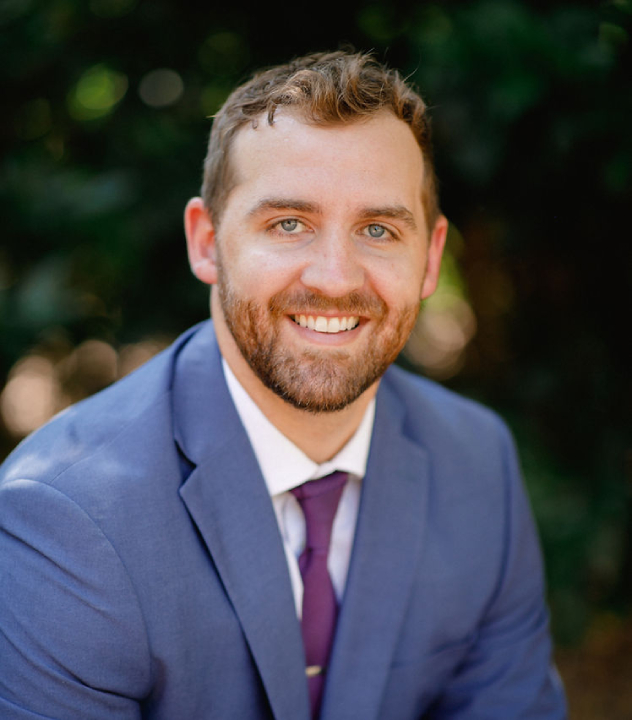
Nick Anderson oversees Nevada wrongful-death strategy.

Nick Anderson is licensed in Nevada and North Carolina and has more than 10 years of personal injury experience. He oversees Nevada wrongful-death strategy with a focus on early evidence preservation, clear communication, and disciplined claim development.
KEEP EXPLORING

Related Nevada pages

Move between the statewide hub, Las Vegas guidance, the national service page, and closely related Nevada claims.
NEVADA WRONGFUL DEATH QUESTIONS

Questions that come up early

NRS 41.085 provides that the decedent’s heirs and the decedent’s personal representative may each maintain an action when the death was caused by another person’s wrongful act or neglect. Their recoverable damages are not identical, so the roles should be identified early.

NRS 11.190(4)(e) generally provides a two-year limitations period for an action seeking damages for the death of a person caused by another’s wrongful act or neglect. Exceptions can apply, so the actual deadline should be calculated from the facts.

NRS 41.085 allows heirs to prove damages including grief or sorrow, loss of probable support, companionship, society, comfort, and consortium, along with damages for the decedent’s pain, suffering, or disfigurement. The estate may recover separate categories through the personal representative.

Yes. A wrongful-death claim still requires proof that a legally responsible person or entity caused the death. Vehicles, video, company records, property evidence, witnesses, medical records, and other proof can disappear or change well before the filing deadline.

PROTECT THE WRONGFUL-DEATH CLAIM

Tell us what happened and who is handling the family and estate next steps.

Share the incident and death dates, location, known responsible parties, investigation or report information, heir and personal-representative information, insurance contacts, and any records already available.