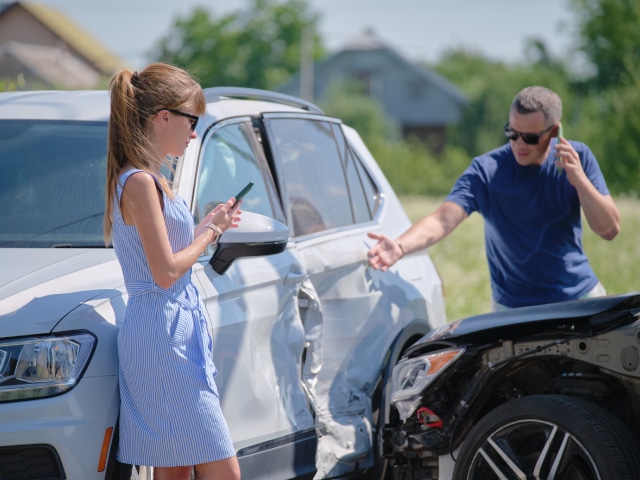
MOTOR VEHICLE ACCIDENT CLAIMS

Motor Vehicle Accident Lawyers

Different crashes create different evidence, liability, and coverage problems. The first job is identifying the claim you actually have.

Motor vehicle claims range from ordinary passenger-car crashes to trucking, fleet, rideshare, motorcycle, pedestrian, bicycle, and uninsured-driver matters. Carma Legal evaluates the collision, preserves the evidence, maps the available coverage, and routes the case through the issues that actually control it.

✓ Crash evidence preserved

✓ Coverage mapped

✓ Claim path identified
START WITH THE RIGHT CLAIM TYPE

Motor vehicle accidents share a foundation, but the investigation changes with the vehicle, driver, and insurance structure.

The broad questions are familiar—who caused the crash, what evidence proves it, what injuries followed, and what coverage is available. The details determine which records and legal theories deserve priority.

Passenger-vehicle crashes

Rear-end, intersection, head-on, multi-vehicle, hit-and-run, and other car crashes usually begin with driver conduct, scene evidence, medical causation, and liability coverage.

Truck and carrier claims

Tractor-trailers and motor carriers can add carrier records, driver qualification materials, electronic logging data, maintenance history, cargo issues, and federal safety requirements when applicable.

Commercial and fleet vehicles

Delivery vans, company cars, utility vehicles, shuttles, and other business vehicles can add employer responsibility, scope-of-work questions, fleet policies, dispatch records, and commercial insurance.

Riders, pedestrians, cyclists & coverage claims

Motorcycle, pedestrian, bicycle, rideshare, distracted or impaired driving, and UM/UIM matters each require their own evidence and coverage analysis rather than a generic auto-claim approach.
EVIDENCE & COVERAGE

Preserve the crash record and the insurance record at the same time.

A strong vehicle claim connects the mechanics of the collision to the injury timeline while identifying every policy and responsible party that may matter.

Crash evidence to preserve

  • Scene photos, vehicle damage, traffic controls, debris, and roadway conditions
  • Police reports, witnesses, dash camera, surveillance, and available event data
  • Phone, app, dispatch, ELD, telematics, or fleet records when relevant to the claim type
  • Vehicle inspections, repair records, and maintenance materials when condition or equipment is disputed

Coverage and claim records

  • Liability, commercial, rideshare, excess, umbrella, and first-party policies that may apply
  • Declarations, endorsements, claim correspondence, and coverage positions
  • Medical records, bills, wage documentation, and future-care evidence
  • Property-damage, towing, rental, and other collision-related records
HOW THE CLAIM IS BUILT

Move from collision facts to the correct claim strategy.

The page is a routing hub, but the case itself still needs a disciplined sequence of evidence, coverage, damages, and litigation decisions.

01

Classify the crash and responsible parties

Identify the vehicle types, drivers, employers, carriers, platforms, owners, and other entities that may change the investigation.
02

Preserve the claim-specific evidence

Secure the scene, vehicle, video, digital, company, carrier, or policy records before important information is overwritten or lost.
03

Build medical, wage, and coverage proof

Document treatment and future needs while auditing the policies and notice requirements that may affect recovery.
04

Present the right claim—or claims

Pursue the responsible parties and applicable insurers with a supported demand, then litigate disputed liability, coverage, or value when necessary.
DAMAGES, COVERAGE & NEXT STEPS

The value of a motor vehicle claim depends on more than the visible damage to the vehicles.

The damages analysis should connect the collision to medical care, work effects, day-to-day limitations, future needs, and property loss while keeping the applicable insurance structure in view.

Losses that may need documentation

  • Emergency treatment, surgery, rehabilitation, and future medical needs
  • Lost wages and reduced earning capacity
  • Pain, disability, emotional effects, and loss of normal activities
  • Vehicle repair or total loss, towing, rental, and other property-related expenses
WHAT TO DO NOW

Do not assume every motor vehicle claim follows the same playbook.

A truck crash, rideshare collision, pedestrian impact, company-vehicle case, or UM/UIM claim may require evidence and notice steps that are different from a routine car crash. Identify the claim type before important records disappear or releases are signed.
ATTORNEY-LED GUIDANCE

Your claim should be evaluated based on the vehicle, the evidence, and the insurance coverage involved.

Carma Legal evaluates motor vehicle matters by identifying the correct claim path, preserving the evidence that matters to that path, and developing the liability, medical, damages, and coverage record together. Representation depends on jurisdiction, attorney licensure, and the facts of the matter.
Direct attorney involvement
Clear next steps and communication
Case strategy built for negotiation and litigation
MOTOR VEHICLE ACCIDENT QUESTIONS

Questions about choosing the right motor vehicle claim path

Car accidents are one category of motor vehicle claim. Truck, commercial vehicle, motorcycle, pedestrian, bicycle, rideshare, impaired-driving, distracted-driving, and UM/UIM matters can add different evidence, defendants, or coverage issues.
Truck claims generally center on semitrucks, tractor-trailers, motor carriers, and trucking-specific safety records. Commercial Vehicle claims focus more broadly on delivery vans, company cars, utility vehicles, shuttles, buses, and other fleet or employer-operated vehicles.
Uninsured or underinsured motorist coverage may become part of the recovery path depending on the policy, state law, and crash facts. The underlying liability claim and first-party coverage should be coordinated before settlement decisions are made.
FIND THE RIGHT CLAIM PATH

Tell us what kind of vehicle was involved, who was driving it, and what happened next.

Share the crash details, injuries, insurance information, employer or carrier information if applicable, and any photos, reports, or correspondence so the right evidence and coverage issues can be identified early.