If you’re asking how long does a car accident lawsuit take, you’re not alone. Whether you were the driver, passenger, pedestrian, or cyclist, knowing the timeline for a personal injury case can help you manage expectations and plan your recovery—both physical and financial. A car accident lawsuit can stretch from just a few months to several years, depending on injury severity, liability disputes, court procedures, and insurance tactics. In this guide, you’ll learn:
- The key stages of a car accident lawsuit
- Typical durations for each phase
- Major factors that influence how long your case will take
- Strategies you can use to speed up resolution
- What happens once you reach a settlement or verdict
- Practical next steps and resources
By understanding these elements and working closely with an experienced attorney, you’ll be better positioned for a smoother, more timely outcome.
Understand lawsuit timeline
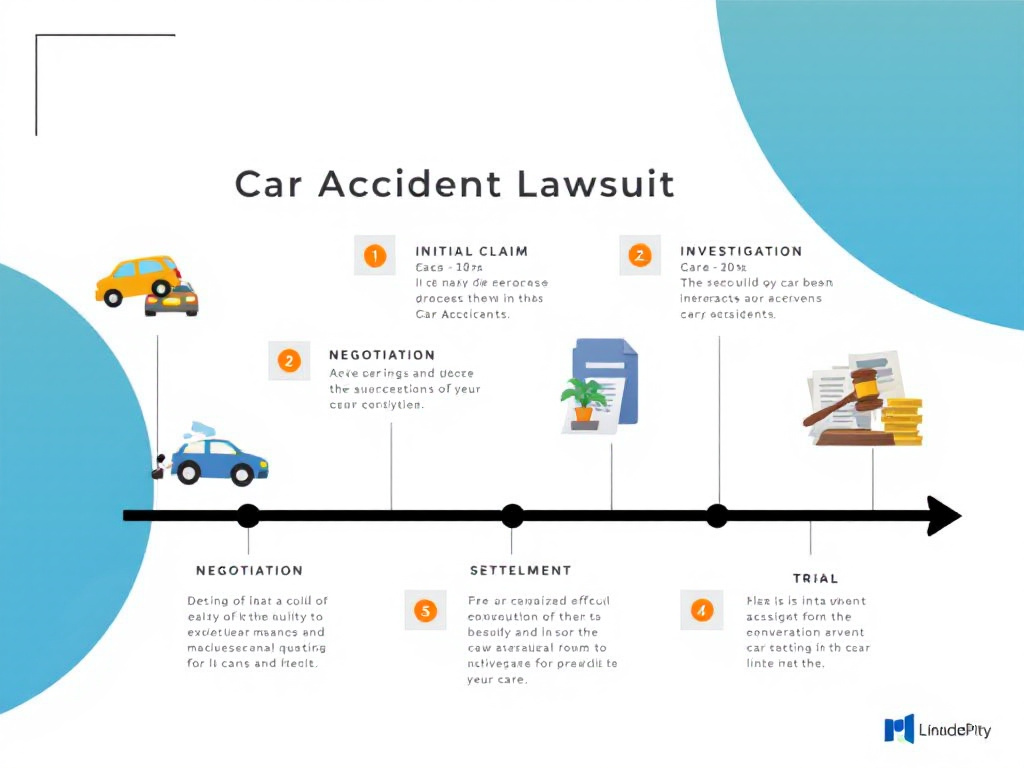
A car accident lawsuit follows a series of stages, each with its own time frame. Below is an overview of the key phases you’ll encounter.
Demand and filing
- Demand letter: After you’ve documented your injuries and expenses, your attorney prepares a demand letter outlining your damages and settlement request. This step typically takes 1–2 months after your medical treatment stabilizes.
- Filing the complaint: If negotiations stall, your lawyer files a formal complaint with the court. That usually happens within 1–2 months after sending the demand letter.
Discovery phase
During discovery, both sides exchange evidence and build their arguments. This is often the longest stage.
- Written discovery: You and the defendant respond to interrogatories and document requests.
- Depositions: You, witnesses, and experts give sworn testimony under oath.
- Expert reports: Medical experts, accident reconstruction specialists, and economists produce reports.
In many jurisdictions the discovery phase lasts 6–12 months, especially for serious injuries or complex liability issues [1].
Settlement negotiations
Even during discovery, settlement talks continue:
- Demand and counteroffer: You exchange revised settlement figures.
- Mediation: A neutral mediator may help both sides reach an agreement [2].
On average, negotiations span 1–3 months but can extend longer if parties are far apart on valuation.
Trial and verdict
If both sides can’t agree, the case goes to trial:
- Pretrial motions: Courts resolve key legal questions
- Jury selection: Picking an impartial jury can take days
- Trial proceedings: Opening statements, witness testimony, closing arguments
Trials for car accident cases typically last a few days to a couple of weeks. Scheduling a trial date may add several months, depending on court backlogs.
Post-judgment and appeals
- Entry of judgment: Once the jury or judge issues a verdict, the court enters judgment.
- Appeals: Either party can appeal within 30 days, adding anywhere from 6 months to a year (or more) to the timeline.
Typical timeline table
| Case type | Average duration | Source |
|---|---|---|
| Minor injuries, clear liability | 3–6 months | Brown & Crouppen |
| Moderate injuries, some liability disputes | 6–9 months | Regan Zambri Long |
| Severe injuries, complex liability | 12–18 months | Zavodnick Law |
| Multi-vehicle or commercial vehicle cases | 18–24+ months | Morgan & Morgan |
For more on the procedural steps, see car accident claim process explained.
Factors influencing duration
Several key factors can speed up or slow down your case timeline. Understanding these will help you and your attorney plan effectively.
Case complexity
- Number of parties: Multi-vehicle collisions or commercial defendants require more coordination.
- Expert involvement: Accident reconstruction, vocational experts, and life-care planners add depth—and time—to discovery.
Injury severity and medical treatment
- Serious injuries: Spine, brain, or long-term disabilities often require extended treatment before you can accurately calculate damages [3].
- Gaps in treatment: If you stop care prematurely or switch providers without explanation, insurers may dispute your claims. Avoid a gap in treatment effect on injury claim.
Liability disputes
- Fault investigation: Insurers may contest liability by reviewing police reports, interviewing witnesses, and hiring reconstruction experts [4].
- Comparative negligence: If the other side claims you were partially at fault, your recovery could be reduced—requiring additional briefing and evidence [5].
Insurance company tactics
- Delay strategies: Excessive document requests or repeated adjuster visits can drag out negotiations.
- Lowball offers: Insurers may hope you’ll accept less if you’re anxious to close your case.
Jurisdiction and court backlog
- Local caseload: Courts in busy urban areas often have longer wait times for trial dates.
- Statute of limitations: Each state sets a deadline to file suit—check car accident statute of limitations to avoid losing your right to sue.
Speed up case resolution
While you can’t control every factor, you can take action to help your case move efficiently.
1. Gather evidence promptly
- Photograph vehicle damage, road conditions, and visible injuries soon after the crash.
- Obtain a copy of the police report—learn how at how to read a police report after an accident.
- Secure witness statements and contact information.
2. Maintain consistent medical care
- Follow your doctor’s treatment plan, attend all appointments, and keep records of bills.
- Use your medical insurance or personal injury protection wisely [6].
3. Document your pain and losses
- Write a daily pain journal detailing symptoms, activities you can’t do, and emotional impact [7].
- Track lost wages and job interruptions [8].
- Estimate future medical expenses early [9].
4. Work closely with your attorney
- Provide medical records, invoices, and treatment summaries without delay.
- Be candid about pre-existing conditions to avoid surprises.
- Ask questions: If you’re unsure whether you need a lawyer, see do i need a lawyer after a car accident.
5. Explore alternative dispute resolution
- Mediation: A neutral mediator can help you bridge gaps on valuation.
- Arbitration: Binding decisions often come faster than trials.
- Settlement conferences: Judges or court staff may facilitate negotiations.
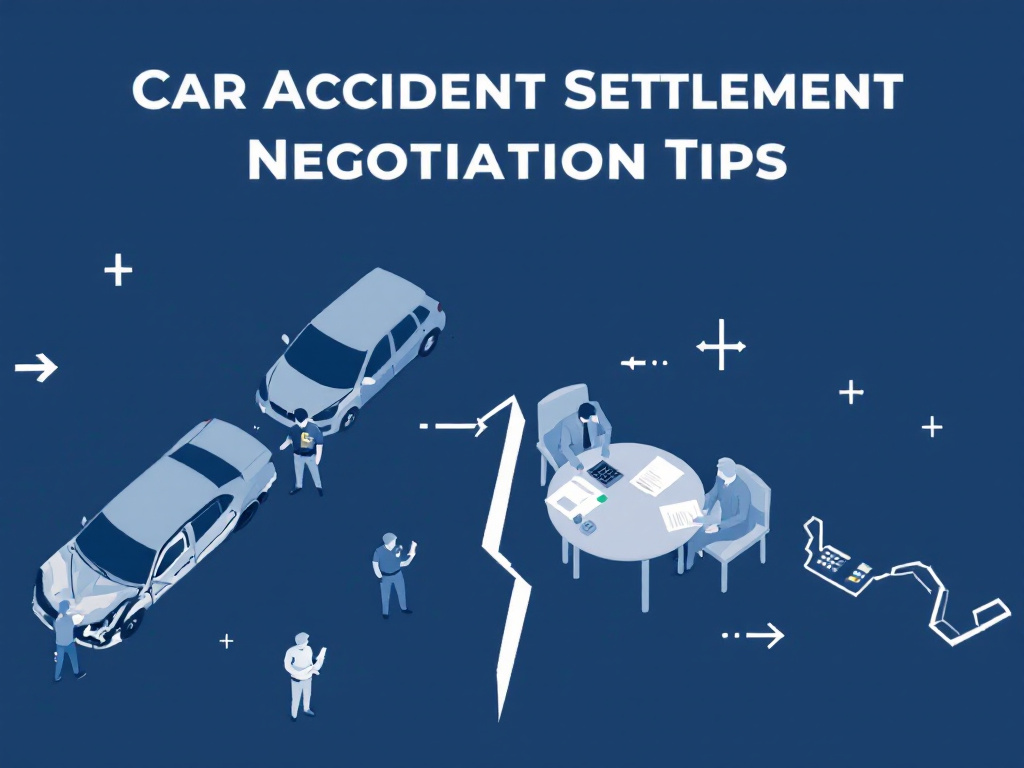
For negotiation tactics and demand letter tips, check car accident settlement negotiation tips and car accident demand letter example.
After settlement process
Once you’ve agreed on a settlement or you obtain a verdict, a few final steps remain before you receive your award.
Signing the release
Your attorney reviews a release form—which ends your right to pursue further claims—in exchange for the settlement payment. Read carefully, as it typically covers all past and future claims arising from the accident.
Receiving the check
After you sign, it can take:
- 2–3 weeks for insurers to issue a check
- Up to 2 months if the insurer processes release documents slowly [3]
Handling medical liens and bills
Hospitals, health insurers, and Medicare may have liens on your settlement. Your attorney will negotiate reductions or satisfy liens out of your award. Learn more about medical lien after car accident explained.
Closing your case
Once all bills and liens are resolved and you receive net funds, your case is officially closed. Keep copies of release documents and final accounting for your records.
Your next steps
- Request a free case review
Contact our legal team to discuss your situation, review your evidence, and estimate what your claim may be worth. - Learn about claim valuation
See how much is my car accident claim worth and average car accident settlement for benchmarks. - Explore related resources
- Fault and liability: how to prove fault in a car accident
- Comparative negligence: comparative negligence car accident explained
- Medical billing: who pays medical bills after a car accident
- Stay proactive
Keep your attorney updated on any changes to your treatment, work status, or contact information.
By following these steps and partnering with an experienced personal injury lawyer, you’ll be in the best position to resolve your car accident lawsuit efficiently and fairly. If you still have questions about how long your case might take, reach out for a no-obligation consultation today.
References
- (Zavodnick Law)
- (mediation vs trial in car accident lawsuits)
- (Ledger Law Firm)
- (Morgan & Morgan)
- (comparative negligence car accident explained)
- (using health insurance after a car accident)
- (pain journal for car accident evidence)
- (lost wages claim after car accident)
- (future medical expenses in car accident claims)