Car Crash Attorney Near Me: When Charlotte Injury Victims Should Call Before the Adjuster Does
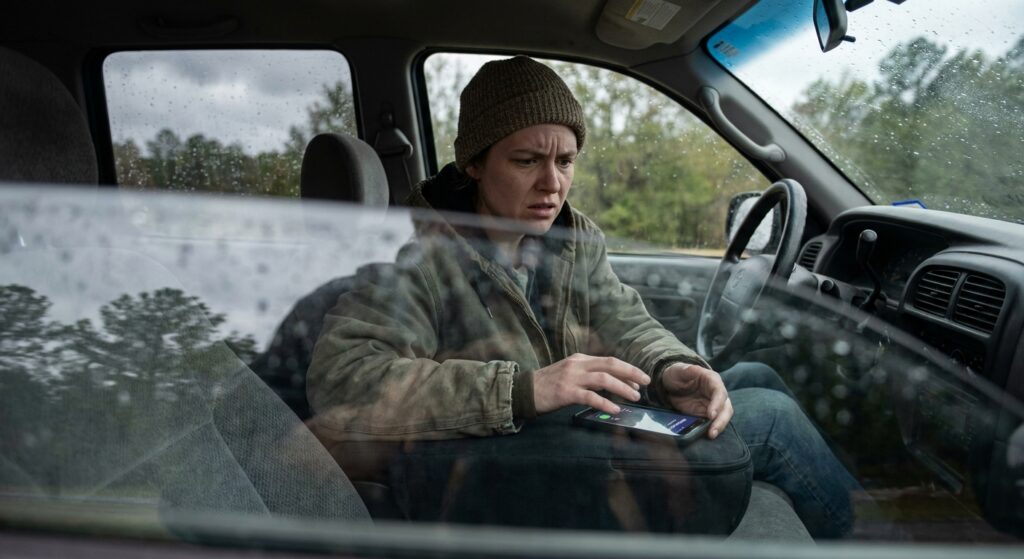
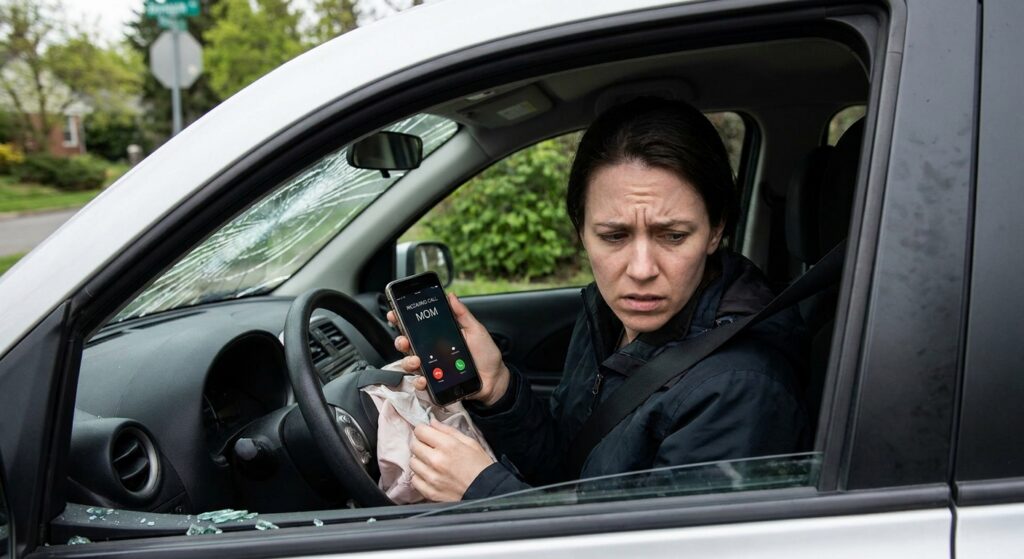
You are still limping from last night’s crash on Woodlawn Road when your phone rings. The caller introduces herself as a claims representative for the other driver’s insurance and says she wants to help you get your car repaired quickly. She asks how you are feeling, whether you went to the hospital, and whether you have any pain. You answer honestly, because she sounds helpful and you want your car fixed. You have just given a recorded statement that will cost you thousands of dollars.
That phone call is the exact moment a “car crash attorney near me” search is supposed to happen. Not next week. Not after the adjuster has already talked you into a number. Right now, before you say one more word to someone whose paycheck depends on paying you as little as possible. I represent people who were not at fault, in both my Charlotte office and my Mesa office, and I can tell you the difference between a strong claim and a devalued one is often decided in the first forty-eight hours, usually before the client ever picks up the phone to call me.
Why the Adjuster Calls Before You See a Doctor
The adjuster calls early on purpose. I tell clients two things flatly for those first 48 hours: do not speak to the insurance company yourself, and do not sign any documents. If you delay getting medical attention, or you describe your pain before a doctor has diagnosed you, the insurer will use that to devalue your claim. The friendly tone is part of the job.
Here is what most people do not understand about that call. The person on the other end is trained, experienced, and reading from a script built to protect the company’s money. When she asks “how are you feeling today,” she is not making small talk. If you say “I’m okay” because you are trying to be polite, or because the adrenaline is still masking your pain, that answer gets recorded and used against you weeks later when the MRI shows a herniated disc. The insurer will point to your own words and argue you were not really hurt.
The same trap works in reverse. If you describe pain in vague terms before any doctor has examined you, the insurer locks you into a story that a later diagnosis may contradict, and then argues you are inconsistent. Either way, you lose. You cannot win that conversation, which is why I tell clients not to have it at all. State consumer guidance makes the same point, warning accident victims to be careful about what they say and to avoid signing anything before they understand their rights (So You’ve Had an Accident, What’s Next?).
I would rather be candid with you here than let you learn this the hard way: the helpful voice is not on your side. Once I am representing you, that call comes to me, not to you.
The 48-Hour Window When Most Evidence Disappears
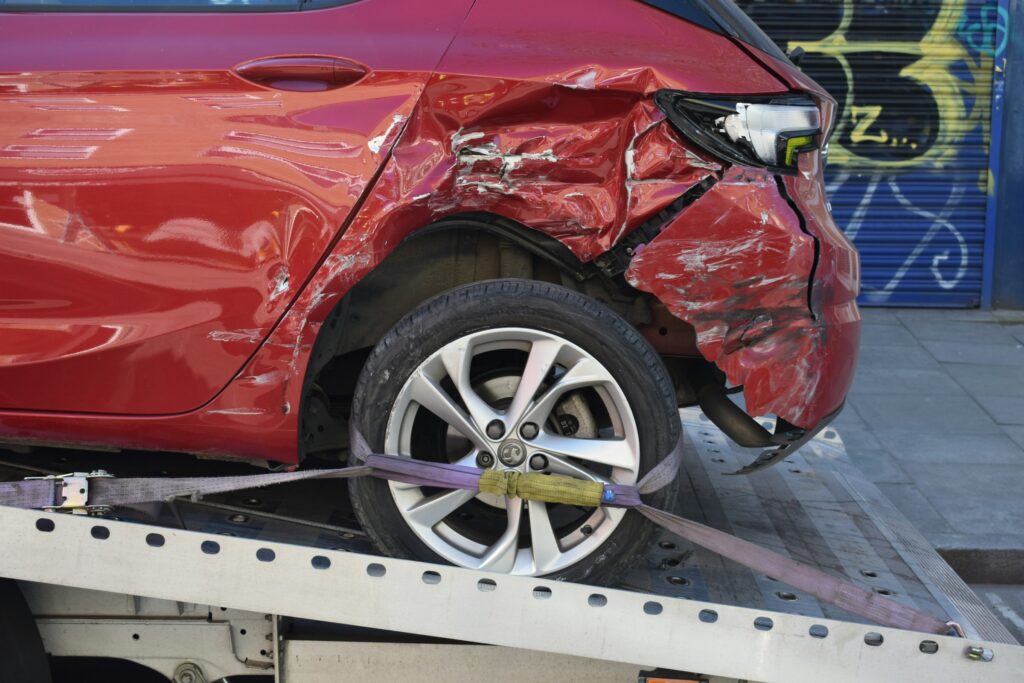
Within the first 48 hours, I want you to preserve photos of the damage to your vehicle, photos of your injuries, and photos of your damaged vehicle at the scene, and to seek medical attention if you are hurt. Without those photos, insurance companies have room to dispute both fault and injury severity, and that room is where your claim shrinks.
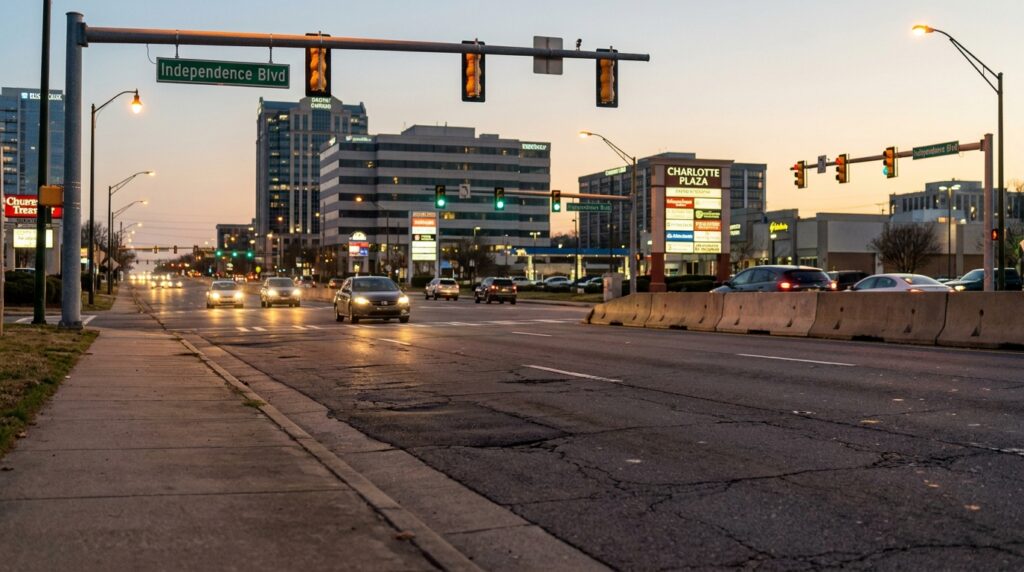
Think about how fast the physical proof of a crash vanishes. Your car goes to a body shop or a salvage yard. Bruising fades within days. The skid marks, the broken glass, and the debris field on Independence Boulevard get swept up or driven over by the next morning’s traffic. Store and traffic camera footage often records over itself within a week or two. Nobody is preserving any of this for you, and the insurer certainly is not going to volunteer evidence that helps your case.
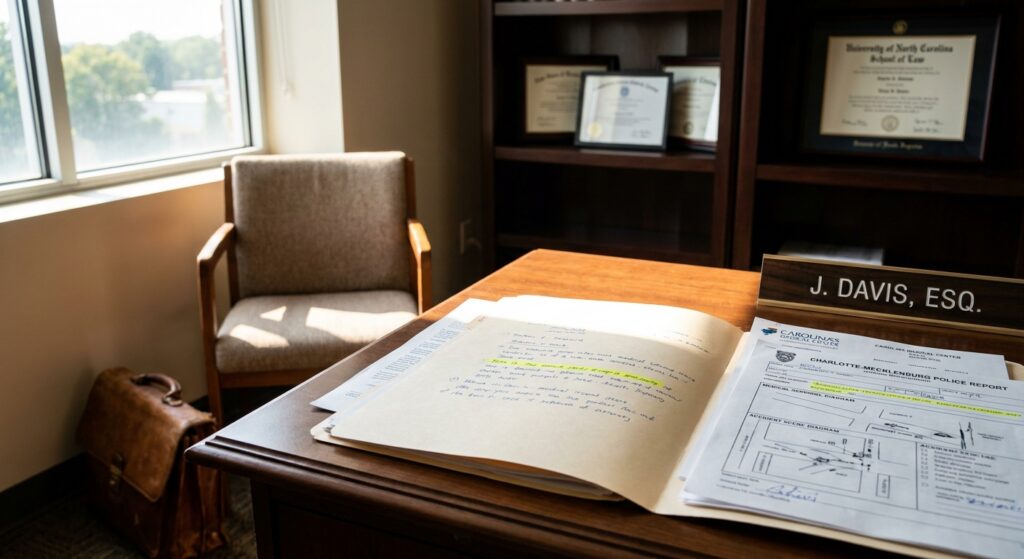
That is why the steps you take in those two days matter so much, and why they should not be your job for long. Here is what actually happens on my side of that window. Within the first 48 hours, we hold a consult to determine whether you have a case, you sign the representation agreement, and then I reach out to the at-fault insurance company and begin working on the claim. My first goal with that insurer is to get them to accept liability, meaning accept fault for the crash. I obtain the police report, gather the property damage photos, and send preservation letters when black box or video evidence may be critical. A preservation letter puts the other side and any third party on legal notice that they must not destroy that data. My experience over more than a decade tells me which cases will need it, usually when there is a real dispute about liability or about what actually caused the injuries.
Do not delay medical care to save money either. I never want you to skip needed treatment, both for your health and because a gap in treatment is one of the first things an insurer uses to argue you were not really injured.
What Does a Car Crash Attorney Near Me Do From Day One That You Cannot?
A car crash attorney near me handles every point of insurer contact from day one, so you never speak to the adjuster yourself. The attorney obtains the police report, documents your property damage, and sends preservation letters for black box data or video evidence before anyone can destroy it, while you focus on healing.
The part that is hard to do alone is not just the paperwork. It is knowing what to ask for and when. Black box data can help establish liability, show causation of your injuries, reveal how fast the other driver was going, and record whether the brakes were applied, all of which can settle a fight over fault or over how your injuries happened. In a slip and fall case, the same instinct applies differently: there I may want you to preserve the conditions of the exact area where you fell. Most people do not know black box data exists, let alone that it can be overwritten. By the time an injured person figures out they need it, it is often gone.
When you contact my office about a possible case, you have direct access to me to analyze it, investigate it, and walk through it with you. That is a deliberate choice. I spent the first half of my career in big law firms built to run everything through case managers and paralegals, where clients become file numbers. That is not the firm I want Carma Legal to become. I would rather be boots on the ground and available through the whole process. Because I am very intentional about which cases I take, I have the time to answer every question in detail, including the ones clients always ask first: how the property damage process works, what my fees look like, and how long a case takes.
So you can call, text, or email me directly throughout your case, and you never have to wait for a callback from someone who has never met you. I usually tell new clients to call me back the next day to go over everything again, because I understand a crash is traumatic and all of this is brand new to you. You will not get that from a rotating cast of paralegals.
Why Early Settlement Offers Are Designed to Close Your Claim Before You Know What It Is Worth
An early settlement offer, sometimes made within days, is designed to close your claim before you understand the full cost of your injuries. Once you sign a release, you cannot reopen the case, even if your pain worsens or you learn you need surgery. That is the whole point of the timing.
Here is the trap in plain terms. Soft tissue injuries and spinal problems often do not reveal their true severity for weeks. What feels like a stiff neck can turn into months of physical therapy, an injection, or an operation. In twelve years I have handled major impacts that required surgeries and years of recovery, and I have handled minor impacts that barely showed damage to a vehicle, and I treat both with the same detail and attention. The insurer knows how slowly injuries reveal themselves, so they put a check in front of you fast, while you are still stressed about your damaged car and worried about missing work, hoping you take the quick money before a doctor tells you how serious this really is.
North Carolina law treats a signed release as a final settlement. If you accept payment and sign, you waive your right to pursue any additional compensation, even if your medical condition later deteriorates. There is no reopening it, no “I didn’t realize how bad it was.” Signing away your rights for a lowball offer is one of the most common and most permanent mistakes I see people make on their own. In Mesa, Arizona applies its own comparative fault rules, but the danger of signing too early is exactly the same: once it is done, it is done.
When an insurer’s first number does not come close to covering the medical bills, the injuries, and the pain and suffering, that is when I have the hard conversation with my client about pushing further. If the claim is denied outright, that is a strong reason to move into litigation. Being willing to keep pushing is often what separates an adequate result from an insult.
How Does a Local Attorney Know Whether an Offer Is Fair?
A local attorney knows whether an offer is fair by measuring it against what a jury would likely award in the specific county where your case would be tried. That local knowledge, not a formula, is what tells you whether the insurer’s number is reasonable or an insult built to make you go away cheap.
I want to be clear about one thing, because ethics rules matter and because honesty is how I work: I will never tell you upfront what your case is worth, and any lawyer who throws out a number before investigating is guessing. Every case is factually different. It is like asking a doctor to diagnose and treat a patient before the exam, when the answer could look different every time. What I do instead is evaluate the adequacy of an offer based on your injuries, the impact on your life, your ability to work, and the size of the impact of the crash, then weigh that against what juries in your venue tend to award for that type of harm. I am licensed in both North Carolina and Nevada, I practiced in big law firms in Las Vegas and in boutique firms in North Carolina, and after representing thousands of clients over 12 years, there is not much in this field I have not seen.
Because I take cases on a contingency fee basis, my interests are aligned with yours. I only get paid if you recover, so a quick, low settlement helps me as little as it helps you. Beyond aligned interests, I have an ethical and moral duty of loyalty and zealous advocacy to do what is in your best interest. Whether to move into litigation is always your decision, not mine. I always advise you, but I do not make that call for you. What I owe you is honest guidance: here are comparable cases, here are the similarities and differences, here is what I think this is really worth pursuing.
North Carolina’s Contributory Negligence Rule and Why One Sentence Can Destroy Your Case
North Carolina is a contributory negligence state. If the insurance company can prove you were even one percent at fault, you can be barred from recovering anything at all. This is one of the harshest rules in the country, and it is exactly why the adjuster wants you talking early.
A single sentence on a recorded call, “I guess I was going a little fast” or “I didn’t see him until the last second,” can hand the insurer the one percent it needs to deny your entire claim. You may have been almost entirely in the right and still walk away with nothing because of one offhand admission. Arizona uses a comparative fault system that is more forgiving, reducing rather than eliminating recovery, but in North Carolina there is no margin for a careless word. This is not a rule to navigate alone.
Questions Charlotte and Mesa Crash Victims Ask
Should I give a recorded statement to the other driver’s insurance company?
No. Anything you say before a doctor diagnoses you can be used to minimize your injuries and shrink your claim, even when you are answering honestly. Let your attorney handle all communication with the adjuster.
How quickly do I need to hire a car crash attorney near me after an accident?
Within 48 hours if you can. Critical evidence disappears fast, and insurers call early to lock you into statements before you understand your injuries. The sooner an attorney steps in, the more evidence gets preserved.
What evidence do I need to preserve immediately after a crash?
Photos of your vehicle damage, your visible injuries, the accident scene, and any debris or road conditions. Once you retain an attorney, they will request the police report and send preservation letters for black box or video data before it is overwritten.
Can I reopen my case if my injuries get worse after I settle?
No. North Carolina law treats a signed release as final. Once you accept payment and sign, you cannot pursue additional compensation even if your condition later deteriorates. That is why signing early, before you know the full extent of your injuries, is so dangerous.
Will I speak to the attorney or a paralegal when I call about my case?
At Carma Legal, you speak directly to the attorney who will handle your case, not a case manager. You get immediate answers about whether you have a claim and what to do next, and you keep that direct access by phone, text, or email throughout your case.
How does North Carolina’s contributory negligence rule affect my case?
If the insurer can prove you were even one percent at fault, you may be barred from recovery entirely. That is why any recorded admission before you talk to an attorney is so risky, and why you should not discuss fault with the adjuster at all.
Call Before You Talk to the Adjuster
If your phone is already ringing, do not answer the adjuster’s questions and do not sign anything. Call Carma Legal at the Charlotte office for a free consultation before you speak to the insurance company. When you search for a car crash attorney near me, what you actually need is someone who answers, and you will talk directly to the attorney who will handle your case, from the first call through the last. Every case is taken on a contingency fee basis, so you pay nothing unless you recover compensation. The two days after a crash decide more than most people realize. Let me spend them protecting your claim instead of watching the other side dismantle it.
Past results do not guarantee future outcomes, and every case is different. Individual results vary based on the specific facts of each case.