
Free Injury Consultation Lawyer | Carma Legal North Carolina
Most people do not realize that the questions they answer in that first insurance adjuster call, “Are you hurt?” and “How did it happen?”, can be used to deny their claim weeks later. That is exactly why a free injury consultation lawyer exists: to reverse the order of events. You speak to an attorney first, you understand what your claim actually looks like, and you prepare your case before the adjuster locks you into a recorded statement you cannot take back. At Carma Legal, that first conversation is with the attorney directly, and it happens within 48 hours of your call.
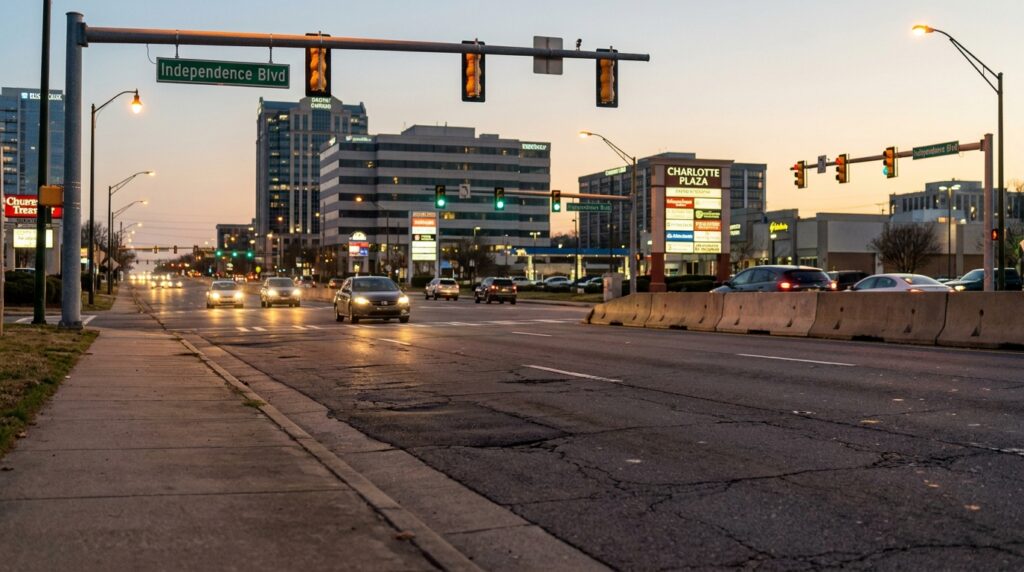
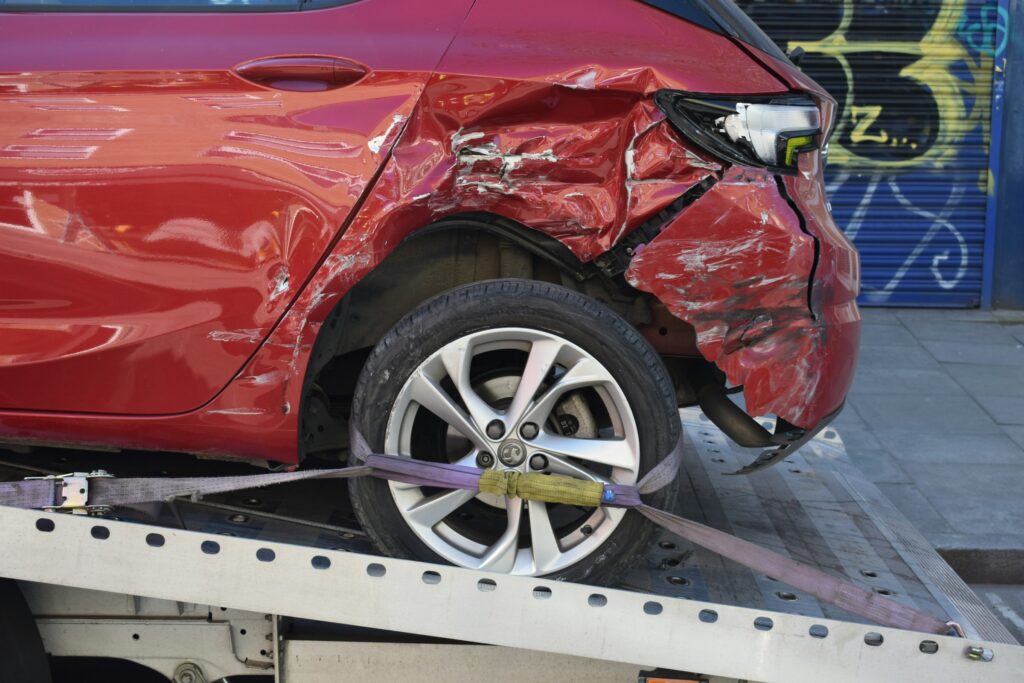
If a driver ran a stop sign and T-boned you at an intersection, turned left across your path without yielding, crossed the centerline head-on, or sideswiped you during a lane change, you are already dealing with a wrecked car, mounting medical bills, and a phone that will not stop ringing. The consultation is where you stop reacting and start protecting yourself. Below is what it is, what happens during it, and how it may protect your recovery in both Charlotte, NC and Mesa, AZ.
What a Free Injury Consultation Lawyer Does and Why It May Protect Your Claim
A free injury consultation lawyer at Carma Legal means you speak directly with the attorney within 48 hours to find out whether you may have a case, to understand the full claims process, and to learn about protecting your rights before you say or sign anything that could damage your recovery. It costs you nothing, and you leave knowing where you stand.
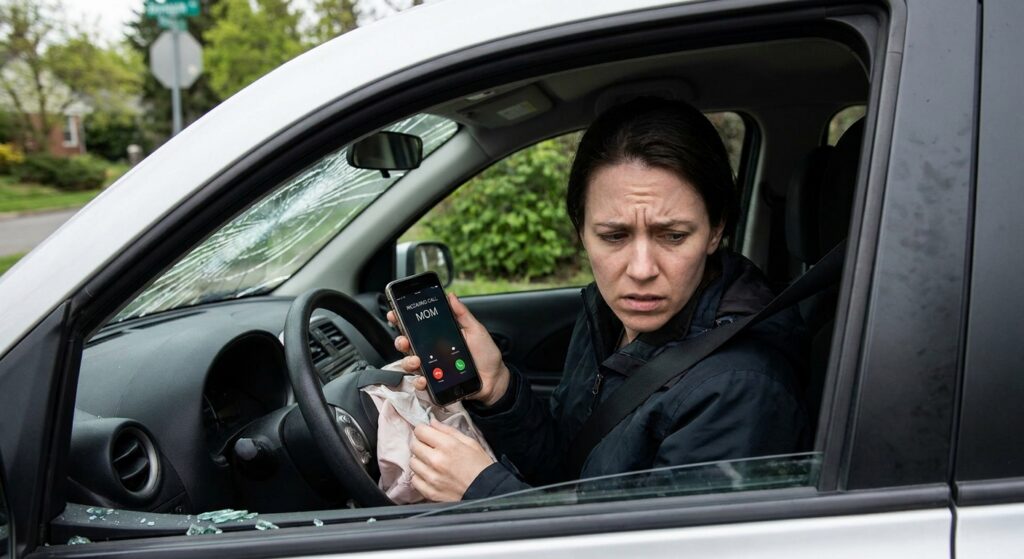
Here is the problem the consultation is built to address. Many people try to handle their claim on their own. They say something to the adjuster that gets the claim denied, or they unwittingly sign a release of injury while they are still hurt, not realizing they just closed the door on treatment they will need for months. Then they become frustrated and hire an attorney, but by that point they may have already damaged the case. The consultation flips that timeline, so you get guidance before the mistake, not after it.
Think of it like a doctor’s first visit. You would not accept a diagnosis over the phone from a stranger whose goal is to spend as little as possible on you. The adjuster works for the other driver’s insurance company, and their job is to close your file cheaply. The consultation gives you your own read on the situation from someone whose job is to protect your side. You walk in stressed and unsure, and you walk out with a clearer picture of the process, the timeline, and what to do next.
What Actually Happens When You Call?
The consultation happens within 48 hours of your call, and the attorney conducts it directly, not a paralegal or an intake specialist. He listens to what happened, analyzes and investigates whether you may have a case, and walks you through the road ahead in plain language.
The first thing the attorney checks is whether the police report assigns fault or lists a citation, because that single fact changes how he approaches the adjuster. If liability is unclear, he prioritizes locking down witness statements before memories fade, and he works to preserve the objective evidence that disappears quickly: the police report, 911 records, satellite images, and surveillance or traffic-camera footage. He is set up for intersection T-bone and left-turn cases, where that evidence matters and where he moves to preserve it immediately before it is gone. He has handled both major impacts requiring surgeries and minor impacts. If liability is not a risk, he shifts his focus to documenting the full injury and treatment picture, so the claim reflects what the crash actually did to you.
During the consultation, most people ask the same practical questions: how the property damage process works, what the case looks like from start to finish, how attorney’s fees work, and how long the whole thing takes. The attorney takes the time to answer every question in detail. He also tells you to call back the next day and go over everything again, because a crash is a traumatic, brand-new situation, and no one absorbs all of it in a single sitting. If you appear to have a case and decide to move forward, you sign the representation agreement, and then the firm reaches out to the at-fault driver’s insurance company on your behalf. From that point on, the adjuster deals with your attorney, not with you. If you are still weighing whether you need any legal help at all, public resources like USAGov’s guide to finding a lawyer can help you understand your options before you ever pick up the phone.
How Do North Carolina and Arizona Fault Rules Change What You Can Say?
The rules on fault are different in North Carolina and Arizona, and that difference decides how carefully you must speak to the insurer. The consultation is where you learn which rule applies to your crash and what it means for every word you say next.
North Carolina follows contributory negligence, a strict rule reflected in the state’s civil liability statutes at North Carolina General Statutes § 1-540. Under it, if the insurer manages to assign you any share of the blame, you may recover nothing, even if the other driver was mostly responsible. That is a harsh rule, and it is exactly why an offhand remark to an adjuster can be dangerous here. A single sentence that sounds like an admission can hurt an otherwise strong claim. Arizona is different. It follows comparative fault under Arizona Revised Statutes § 12-2505, which may let you recover even if you share some of the blame but reduces your award by your percentage of responsibility. Fault still matters in Mesa, AZ, but it does not automatically erase your claim the way it can in Charlotte, NC.
This is why the consultation is tailored to the state where the crash happened, because what you can and cannot safely say depends on it. The attorney is licensed in both North Carolina and Nevada and serves clients in the Charlotte, NC and Mesa, AZ areas, and he frames the entire strategy around the rule that governs your case. In a contributory negligence state, the focus is on addressing any argument that you contributed to the crash before the adjuster ever raises it. Getting that guidance before the adjuster calls is the whole point of moving quickly. Free and low-cost legal help exists for people who are not sure where to start, and the Legal Services Corporation is one place to understand what representation involves.
Who Handles Your Consultation, and What Have They Done Before?
The person who conducts your consultation is the attorney who will handle your case from investigation through resolution. He is licensed in two states, Nevada and North Carolina, has practiced in big law firms in Las Vegas and boutique firms in North Carolina, and has represented thousands of clients over 12 years.
That background matters for a specific reason. He has seen how the biggest firms build and defend claims from the inside, and he has seen how a smaller, boutique practice can give each client real attention, and he brings both to your case. Bar ethics rules keep any attorney from calling himself an “expert,” and he honors that, but 12 years and thousands of clients is a record you can weigh for yourself. The North Carolina State Bar maintains public licensing records so you can confirm any attorney’s standing before you hire.
The part that sets Carma Legal apart is direct access. You can email, text, or call the attorney directly, not just during the consultation but throughout the entire case. There is no rotating cast of paralegals returning your calls, and no case manager standing between you and the person whose name is on your file. This matters because the attorney who hears your story firsthand is the one who tells it later. Consider one client who received a lowball offer. Instead of simply demanding more money, the attorney pushed back with legal research and comparable jury verdicts and settlements from the same county, took the matter to mediation, and secured an offer that exceeded that client’s expectations in their individual case. He could argue the case that way because he knew the case, personally, from the first call.
Does the Consultation Cost Anything, and How Do the Fees Work?
The consultation is free, and Carma Legal works on a contingency fee basis, which means you pay no attorney’s fees unless the attorney recovers compensation for you. There is no bill to open the door and no bill if the case does not result in a recovery.
Contingency fees exist because most injury victims cannot pay a lawyer by the hour, especially in the first weeks after a crash when the bills are stacking up and the paycheck may have stopped. Under this structure, the attorney’s fee comes as a percentage of what he recovers for you, so your interests and his are aligned from the start. If there is no recovery, there is no fee. During the consultation, he explains the fee structure in plain terms, and, like everything else, he invites you to call back the next day to go over it again until it is clear. Being candid about money up front is part of honest guidance.
This is the barrier that stops many people from protecting their rights in the days that matter most. They assume a lawyer is a cost they cannot afford right now, so they try to handle the adjuster alone, and that is often where the case gets damaged. Removing the cost of that first conversation removes the excuse to wait. You lose nothing by understanding your rights early, and, given how contributory negligence works in North Carolina, you can lose a great deal by waiting. Talking to a free injury consultation lawyer early is one way to keep those choices in your own hands.
Frequently Asked Questions
How quickly will I speak to the attorney after I call?
Within 48 hours of your call, you will have a consultation conducted directly by the attorney. It is not a screening by an intake team followed by a wait to reach a lawyer. The person who evaluates your case is the person who will handle it.
What should I bring to the consultation?
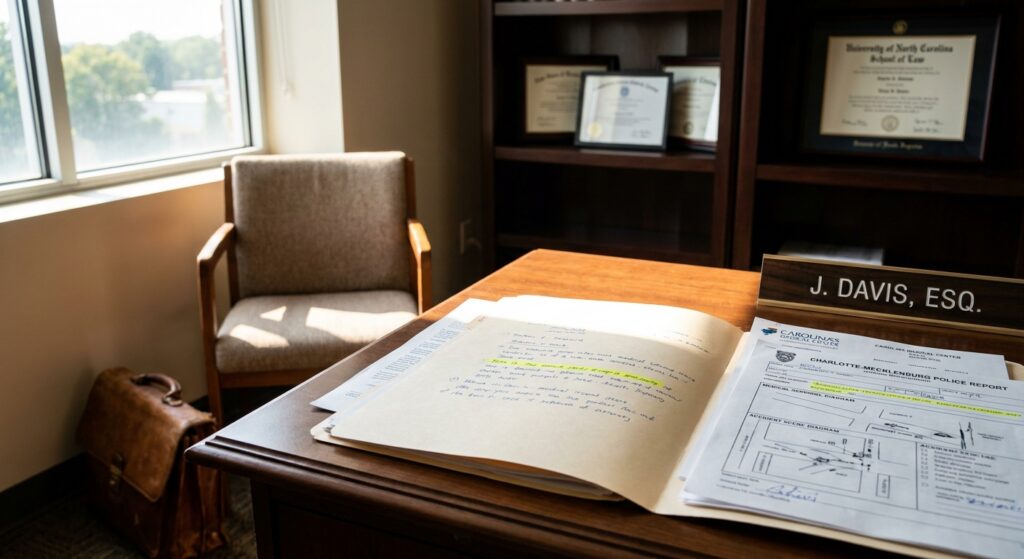
Bring any documents you already have: the police report, insurance information, photos of the scene and the vehicles, and any medical records. If you have not received some of these yet, that is fine. The attorney can begin the consultation without them and help you gather what is missing, including 911 records and any surveillance or traffic-camera footage that needs to be preserved before it disappears.
Will I work with the attorney or a paralegal after the consultation?
You work directly with the attorney throughout the case. You can reach him by email, text, or phone, not only during the consultation but from investigation all the way through resolution. That direct access is a core part of how Carma Legal operates.
Does the consultation cost anything?
No. The consultation is free, and you pay no attorney’s fees unless the attorney recovers compensation for you. The contingency fee structure means there is no cost to learn where you stand and no fee if there is no recovery.
What if I already gave a statement to the insurance company?
The attorney can still evaluate your claim and determine whether the statement may have hurt your case or whether you may still be able to recover. Many people say something to an adjuster that gets a claim denied, or sign a release while still injured, before they ever call a lawyer. An early consultation can help prevent that in the first place, but talking to an adjuster does not automatically mean you have no options. Call before you say anything more.
How does North Carolina’s contributory negligence rule affect my claim?
Under the state’s civil liability framework at North Carolina General Statutes § 1-540, if the insurer assigns you any fault, you may recover nothing, even if the other driver caused the crash. That is why the consultation focuses on protecting you against fault allegations before you ever speak to the adjuster.
Call Carma Legal at 702-934-2228 for a free injury consultation within 48 hours, and speak directly with the attorney before the insurance company gets you on record. The sooner that first conversation happens, the more evidence there may be to preserve and the fewer chances the adjuster has to use your own words against you.
Each case is unique, and outcomes depend on the individual facts and circumstances. Past results do not guarantee future outcomes.