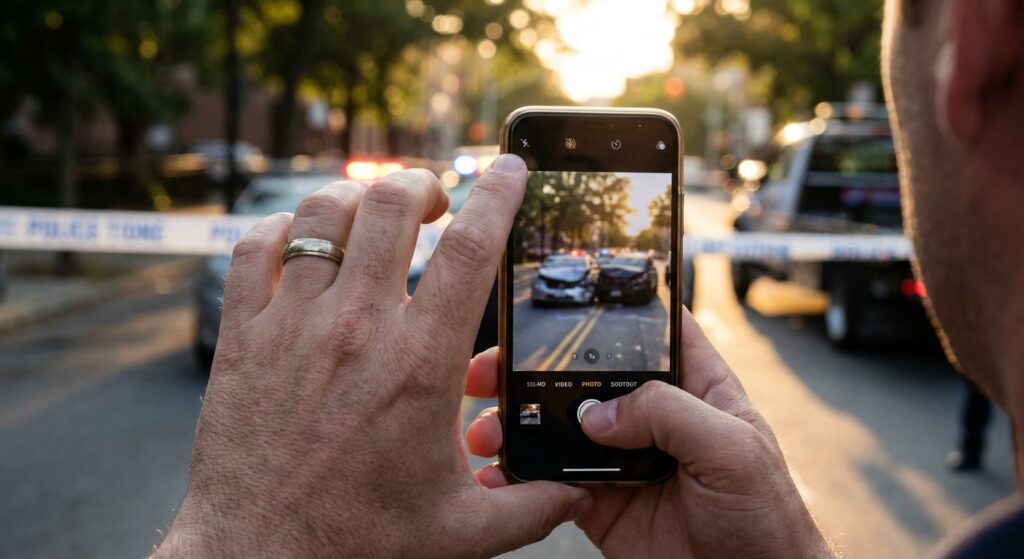
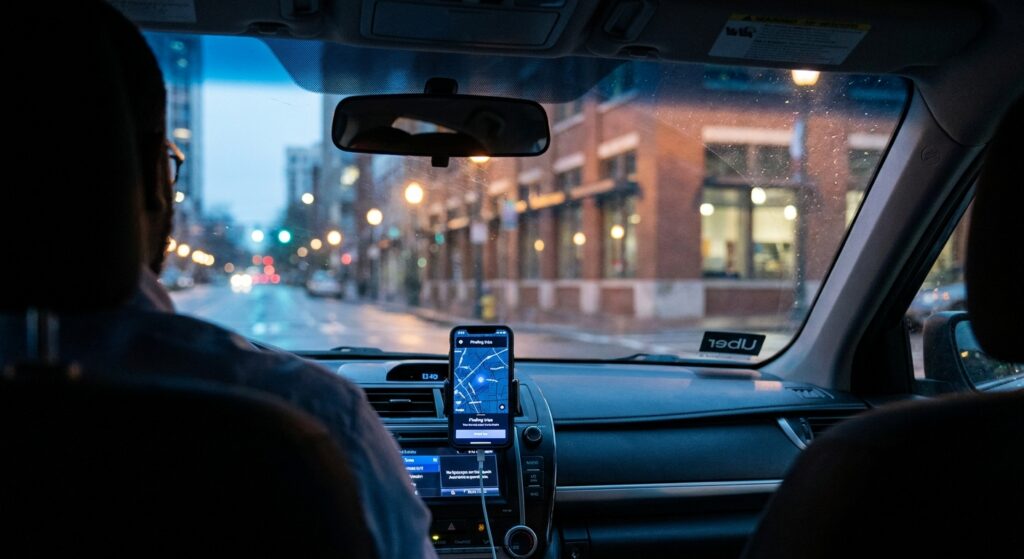
A caller told me last week that three different insurance companies had contacted her after an Uber driver ran a red light on East Boulevard in Charlotte: the driver’s personal carrier, Uber’s third-party claims administrator, and her own uninsured motorist adjuster. Each one pointed to the other two as the party responsible for her medical bills. That is what uber insurance claims can look like from the inside at Carma Legal, and the confusion can benefit the carriers. When you’re hurt and receiving three phone numbers and three stories, every day you spend trying to figure out who pays is a day your bills keep climbing.
I want to walk you through how this coverage works in many cases, because once you understand the layers, you can see why the runaround happens and what it takes to address it.
What Makes Rideshare Insurance Different From a Regular Car Crash Claim?
Rideshare insurance is different because Uber’s coverage turns on and off in three distinct phases, and the phase the driver was in at the moment of impact decides which insurer has to respond. In an ordinary crash, you deal with one at-fault driver and one policy. In a rideshare crash, you may be dealing with two or three policies stacked on top of each other, and the carriers do not always agree on where one ends and the next begins.
The three phases track the driver’s app status. Phase one is when the app is off. The driver is just a regular motorist, and only their personal auto policy applies. Phase two is when the app is on but no ride has been accepted yet, the app-on, passenger-off window. Here Uber provides only a contingent liability layer, meaning it pays only if the driver’s personal policy denies the claim first. Phase three is the active trip, from the moment the driver accepts a request through the drop-off. During this window, the commercial policy shifts to full coverage, and I have watched insurers point to Uber’s published guidelines on driver protection while simultaneously arguing that the full limit does not apply to your particular crash.
Both North Carolina and Arizona require this commercial-level coverage during active trips, under North Carolina General Statutes § 20-280.1 and Arizona Revised Statutes § 28-9551. That sounds clean on paper. The problem is the seam between the phases. A crash that happens in the second or two after a driver taps to accept a ride sits right on the line between the contingent layer and the full commercial policy, and that is where many disputes start.
Why Do Three Different Adjusters Keep Calling You After a Rideshare Crash?
Because each insurer has a financial reason to say the crash is someone else’s problem. The driver’s personal carrier wants to point at Uber, Uber’s administrator wants to point at the personal carrier, and your own uninsured motorist adjuster is watching to see if either of them will pay before it has to. You end up in the middle, holding the bills.
After spending years on the defense side working for insurance companies before joining Carma Legal, I can tell you there is no tactic or coverage dispute I have not watched them run. They argue over timestamps down to the second, they argue over GPS logs, and they argue over whether the driver had truly accepted the ride request or was still cruising with the app open. Every one of those arguments is really an argument about which policy, if any, has to open its checkbook. And while they argue, nobody pays.
I have seen some Carma Legal clients in Charlotte and Mesa get calls from three separate adjusters within days of the crash, each one polite, each one directing them to file with a different company. It can feel like progress. It is not always. It can be delay dressed up as help. Meanwhile the emergency room bill arrives, the follow-up appointment gets scheduled, and the physical therapy starts.
One thing worth knowing while the carriers sort out who pays: your own health insurance can usually cover your medical bills in the meantime, and federal law gives you defined rights and deadlines when you file a claim for your health benefits. Using that coverage does not let the responsible auto insurer off the hook. It just keeps you from drowning while the fight over phases plays out.
The Personal Auto Exclusion That Creates the Coverage Gap
Here is the mechanism at the center of many disputes. The driver’s personal auto policy almost always excludes coverage the moment the app turns on. Personal policies are not written to cover commercial driving, so the second that app goes live, that policy steps back. During the app-on, passenger-off phase, Uber’s contingent liability layer is supposed to be the only thing standing between you and an empty file.
But “supposed to be” is doing a lot of work in that sentence. The driver’s personal carrier may insist the app was on, which conveniently pushes the claim to Uber. Uber’s administrator may insist the trip had not started, which conveniently pushes it back to the personal carrier. Both statements point away from the company saying them. Without pulling Uber’s internal logs, you have no way to prove which one is telling the truth, and the carriers know it. The gap is not an accident in the system. It is the pressure point they lean on.
How Do You Prove Which Phase the Driver Was In When Uber Insurance Claims Stall?
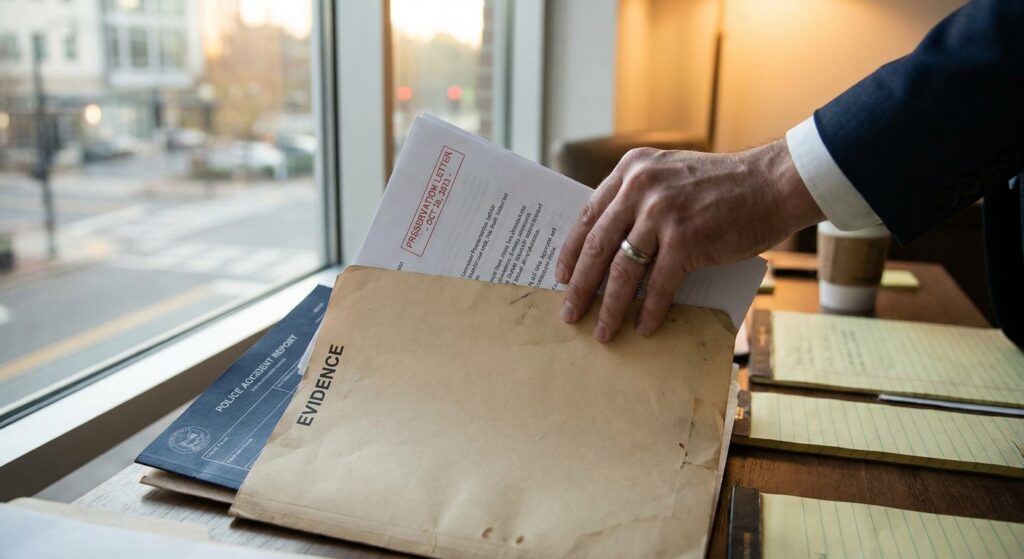
You prove it with the driver’s app data: rider pickup confirmations, trip logs, and app screenshots that show the exact status at the moment of impact. That evidence is often central to resolving these disputes, and it is the one thing you almost never control on your own.
Think about who holds these records. The driver has the app on their phone, Uber has the server logs, and the insurers have their own reconstruction of events. You, the injured person, have none of it. That is often the problem. When you call in an uber insurance claims report as an unrepresented person, the adjuster writes down their version of the phase, and that version quietly becomes the official record. By the time anyone questions it, weeks have passed and the story has hardened.
An attorney can change that sequence. The trip logs and rider confirmations that Uber sits on can be subpoenaed, the screenshots and dispatch records the driver would rather not produce can be demanded through the litigation process, and coverage denials that read as final can be challenged. I have seen a “the trip had not started” denial collapse in one Carma Legal case the moment the actual acceptance timestamp came out of Uber’s own system. Here is what I refuse to do: accept the insurer’s timeline because it is easier than fighting for the records. Cases can turn on a data point the carrier is quietly hoping you never see, and getting that data point takes someone with the authority to force it into the open.
When Does Your Own Underinsured Motorist Coverage Come Into Play?
It comes into play when your injuries are worth more than the coverage that applies to the crash. In one case I handled at Carma Legal, three passengers were seriously injured when an Uber driver struck a concrete barrier at highway speed. Between the traumatic brain injury, the spinal fusion, and the permanent scarring, the medical bills alone ran past seven figures before any of them had finished treatment. The commercial rideshare policy covered part of it, but we had to stack the driver’s own underinsured motorist coverage and the passengers’ household policies to get anywhere close to compensation that matched the actual losses.
This is the layer most crash victims never think about, because it lives on their own auto policy, not the rideshare driver’s. Underinsured motorist coverage, often written UIM, is designed for exactly this situation: the at-fault side’s coverage runs out before your losses do. When the primary rideshare policy reaches its cap, your own UIM coverage may step in to fill the difference. State rideshare statutes in North Carolina and Arizona set the commercial minimums during passenger transport, but they do not erase the coverage sitting on your own policy. How that UIM layer stacks and when it triggers depends on the state where the crash happened and the exact wording of your policy.
Many people never pursue this because nobody tells them it exists. They settle for the number the first adjuster mentions and never learn there was a second source of recovery on the policy in their own glove box. And while the coverage question sorts itself out, remember that your health plan can keep paying for the care you need now, with the claim-filing protections built into how you file for your health benefits. Being willing to keep pushing on every available layer can make a difference in whether a settlement covers your losses or leaves you short.
Why Experience on Both Sides of the Insurance Table Matters
It matters because someone who used to work for the insurance companies already knows the plays before they are run. Over more than 12 years I have represented thousands of injured clients, now at Carma Legal, in large firms and in boutique practices, and before that I defended insurers from the other chair. Bar ethics rules keep me from calling myself an “expert,” so I will just tell you plainly: there is no coverage-dispute tactic in a rideshare file I have not seen.
That background changes how a claim can be built. Instead of waiting for the carriers to volunteer the truth about which phase the driver was in, you go get the app logs and force disclosure. Instead of accepting a coverage denial as the last word, you challenge it and escalate the claim through the correct policy sequence: contingent layer to commercial layer to your own underinsured coverage, in the right order. At Carma Legal, we are intentional about the cases we take, and rideshare crashes are the kind where preparation from the beginning can influence the outcome.
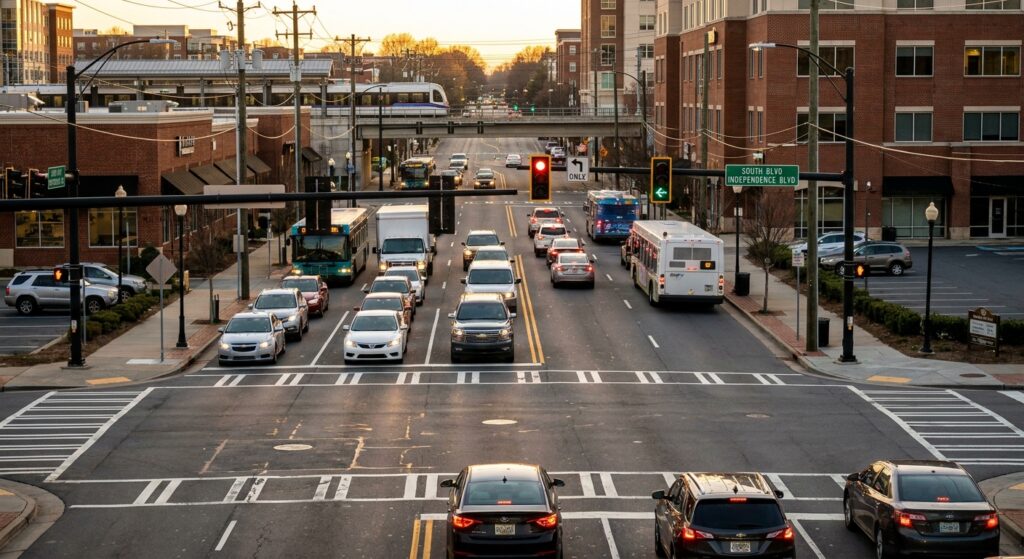
Rideshare volume runs heavy across the areas the firm Carma Legal serves. In Charlotte you see it along the South Boulevard corridor, on I-77, through Uptown, and around the airport, all places where drivers are constantly flipping between phases. In Mesa the crashes cluster near the airport and Arizona State University. Those app-status transitions are where responsibility gets contested most, and because state law governs how contingent coverage and your own UIM policy apply, working with an attorney licensed in the state where the crash happened matters.
I want to know your story well enough to tell it, because I actually know it, not because it is file number forty-one. That is the difference between getting handed off and getting represented.
Common Questions About Rideshare Insurance Claims
Does Uber’s insurance cover me if the driver’s app was on but they had no passenger yet?
Uber provides contingent liability coverage during that app-on, passenger-off phase, but it pays only if the driver’s personal policy denies the claim first. Proving which phase the driver was in usually requires app data you cannot get on your own.
What if three insurance companies all tell me to file with someone else?
That is a common tactic in rideshare claims. Each insurer tries to shift responsibility to another carrier. Without someone who can subpoena the app logs and force disclosure, the claim stalls while your medical bills keep adding up.
Can I still recover if my injuries cost more than the rideshare policy covers?
Yes, if you carry underinsured motorist coverage on your own auto policy. I have worked Carma Legal cases where multiple passengers split the rideshare limit and then had to turn to their own household policies to recover the rest. That UIM layer may apply once the primary coverage is exhausted, but many victims never learn to pursue it.
How do I prove which phase the Uber driver was in?
You need the driver’s app logs, trip records, and rider pickup confirmations. The driver and Uber control that evidence, and insurers rarely hand it to unrepresented claimants without a subpoena.
Does it matter whether the crash happened in Charlotte or Mesa?
Yes. Both North Carolina and Arizona require commercial coverage during active trips, but state law governs how contingent coverage and your own underinsured motorist policy apply. That is why the state where the crash occurred matters when choosing counsel.
How much does it cost to hire a lawyer for an Uber insurance claim?
These cases are handled by Carma Legal on a contingency fee basis, which means no upfront cost and a fee only if you recover. You get experienced representation without paying out of pocket while the insurers delay.
If three adjusters are calling you with three different stories, do not let their version of which phase the driver was in become the official record by default. Call Carma Legal today for a free consultation to review your rideshare crash claim, pin down which insurer is actually responsible, and force the right carrier to pay. There is no upfront cost, we work on a contingency fee basis, and you deal directly with the attorney handling your case, someone who has sat on the insurance side and knows the tactics they use.
Get Clear Answers About Your Rideshare Claim
If you were hurt while using Uber in Charlotte or Mesa and the insurance layers feel confusing, you’re not alone. Carma Legal helps injured passengers and drivers sort through coverage gaps and hold the right parties accountable. A conversation with our team can clarify which policy applies to your situation and what your claim is really worth.
Results vary from case to case, and the outcome of your matter will depend on its unique legal and factual circumstances.